
Küresel Yazıcı Parçaları Tedarik Zinciri, Endüstriyel Kodlama Ekipmanlarını Nasıl Destekler
Ürünler üzerine son kullanma tarihleri, parti kodları ve izlenebilirlik verileri gibi bilgilerin işlenmesinde kullanılan endüstriyel kodlama ekipmanları, kritik yazıcı parçaları için tamamen dayanıklı bir küresel tedarik zincirine bağımlıdır. Bu ağ, üreticilerin işletme sürekliliğini sürdürmelerini ve uluslararası düzenlemelere uyum sağlamalarını sağlar.
Ana Düğümler: OEM’ler, Birinci Kademe Tedarikçiler ve Bölgesel Dağıtım Merkezleri
Tedarik zinciri, birbirleriyle bağlantılı üç katmandan oluşur:
- OEM’ler (Orijinal Ekipman Üreticileri) özgün bileşenleri (örneğin baskı başlıkları ve firmware çipleri) üretir.
- Birinci kademe tedarikçiler lisanslı anlaşmalar kapsamında tüketim malzemelerini (mürekkepler, çözücüler) ve mekanik alt montajları üretir.
- Bölgesel dağıtım merkezleri yüksek talep gören ürünleri yerel olarak stoklayarak teslimat sürelerini kısaltır. Örneğin, ABD’nin Orta Batısı bölgesindeki bir dağıtım merkezi, gıda ambalaj tesislerine CIJ yazıcı nozullarını 24 saat içinde teslim edebilir.
Bu yapı, üretim durmalarını en aza indirir—tek bir arızalı vana, üreticilerin saatte 740.000 ABD Doları üzeri kayıp çıktıya neden olacak şekilde tüm hatları durdurabilir (Ponemon Enstitüsü, Ambalaj Operasyonlarında İşlemsel Duruş Süresinin Maliyeti , 2023).
Coğrafi Dinamikler: Yazıcı Parçaları Tedarik Merkezleri Olarak Asya-Pasifik, Avrupa ve Kuzey Amerika
Stratejik coğrafi uzmanlaşma, maliyet ile tepki süresi arasında denge kurar:
| Bölge | Güçlü Yanlar | Temel Çıktılar |
|---|---|---|
| Asya-Pasifik | Maliyet açısından verimli toplu üretim | Mürekkep kartuşları, borular, filtreler |
| Avrupa | Düzenli Mühendislik | Lazer lensleri, sensörler |
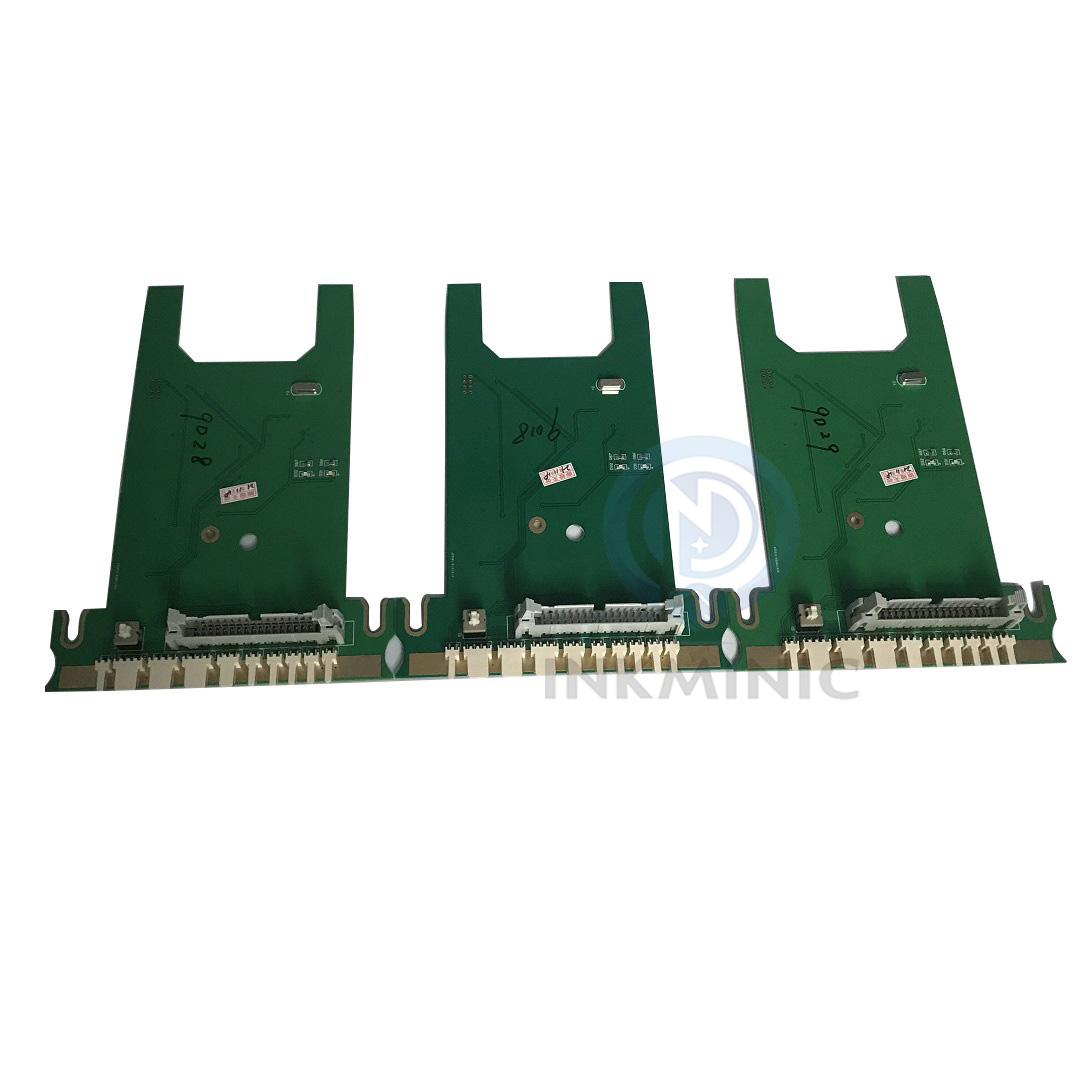
| Kuzey Amerika | Hızlı OEM sertifikalı yenileme | Yazdırma başlıkları, devre kartları |
Termal mürekkep püskürtmeli (TIJ) bileşenlerin %65’ten fazlası Asya-Pasifik fabrikalarından gelirken, lazer işaretleme modüllerinin %80’i Avrupa teknoloji koridorlarından temin edilir. Bu dağıtım, acil değişim parçaları için aynı kıtada teslimat imkânı sağlar—bu durum, kodlama gecikmelerinin FDA 21 CFR Bölüm 11 ve AB Ek 11 düzenlemelerine aykırılık riski oluşturduğu ilaç ve kolay bozulabilen ürünler açısından kritik öneme sahiptir.
Teknolojiye Göre Kritik Yazıcı Parçaları: CIJ, TIJ ve Lazer İşaretleme Sistemleri
Endüstriyel kodlama ekipmanları, sürekli mürekkep püskürtmeli (CIJ), termal mürekkep püskürtmeli (TIJ) ve lazer teknolojileri boyunca farklı bileşenlere dayanır; her biri işlevsel verimliliği korumak için özel yazıcı parçaları gerektirir.
Yüksek Etki Oluşturan Bileşenler — Yazdırma Başlıkları, Mürekkep Kartuşları, Lensler ve Filtreler
Kritik yazıcı parçaları teknolojiye göre değişir:
- CIJ Sistemleri hızlı kuruyan mürekkeplerin yüksek hızda üretim hatlarında kullanılabilmesi için hassas yazdırma başlıklarına ve özel olarak formüle edilmiş mürekkep kartuşlarına dayanır.
- TIJ yazıcılar yüksek çözünürlüklü grafikler oluşturmak amacıyla mürekkebi ısıtarak kabarcıklar meydana getiren termal yazdırma başlıklarını ve buna uygun kartuşları kullanır.
- Lazer işaretleyiciler alt tabaka gravür işlemi sırasında partikül kontaminasyonunu önlemek için ışınları odaklamak üzere optik lenslere ve hava filtrelerine ihtiyaç duyar.
| Bileşen | CIJ | TIJ | Lazer |
|---|---|---|---|
| Temel Tüketim Malzemesi | Mürekkep kartuşları | Mürekkep kartuşları | N/A (mürekkep yok) |
| Aşınma Parçası | Baskı Başlıkları | Baskı Başlıkları | Lensler/filtreler |
| ANAHTAR FONKSİYONU | Sıvı iletimi | Kabarcık üretimi | Işın hassasiyeti |
Herhangi bir sistemdeki bileşen arızası üretim sürecini durdurur. Kirlenmiş lazer lensleri, işaretleme kontrastını azaltır; tıkanmış CIJ yazıcı başlıkları ise kodların hizalanmamasına neden olur—her iki durum da ISO/IEC 15415 ve GS1 standartlarına göre uygunluk dışı raporları tetikler.
Yazıcı Parçaları İçin Teknolojiye Özel Ömürler ve Uyumluluk Kısıtlamaları
Ömürler ve uyumluluk özellikleri büyük ölçüde farklılık gösterir:
- CIJ yazıcı başlıkları, sürekli kullanım altında genellikle 12–18 ay dayanır ancak uyumsuz mürekkeplerle daha hızlı bozulur.
- TIJ kartuşları, sık tekrarlanan termal çevrimler nedeniyle daha kısa ömürlüdür (haftalar ila aylar); nozül hasarını önlemek için tam olarak orijinal ekipman üreticisi (OEM) formülasyonlarının kullanılması gerekir.
- Lazer lensleri 3–5 yıl dayanır ancak üreticiye özel muhafazalar gerektirir; uyumsuz filtreler kesinti süresini %40 artırır (Ponemon Enstitüsü, Endüstriyel Otomasyonda Tedarik Zinciri Dayanıklılığı , 2023).
Farklı teknolojiler arasında parçaları birbirleriyle değiştirmeye çalışmak işe yaramaz. CIJ mürekkep kartuşları, TIJ sistemlerine tam olarak oturmaz ve o lazer optik montajlar? Bunlar da birbiriyle değiştirilemez. Şirketler, ekipmanları için sertifikalı olmayan parçalar kullanmaya çalıştığında ciddi risklerle karşılaşırlar. Garantiler geçersiz hâle gelir ve beklenmedik arızalar sürekli yaşanır. Ponemon Enstitüsü geçen yıl bu tür sorunların üreticilere ortalama yılda yaklaşık 740.000 ABD Doları maliyet yüklediğini rapor etti. Akıllı şirketler, her teknoloji türüne özel servis anlaşmaları sunan sağlayıcılarla çalışarak bu baş ağrılarını önler. Bu anlaşmalar aynı zamanda bileşen yaşam döngülerinin ayrıntılı takibini de içerir. Üst düzey birçok üretici, siber güvenlik koruması için IEC 62443 ve kalite yönetim gereksinimleri için ISO 9001 gibi kabul görmüş standartlara uygulamalarını uyarlar.
Yazıcı Parçalarının Sağlanabilirliği ve Çalışma Süresini Etkileyen En Önemli Tedarik Zinciri Riskleri
Yazıcı Parçalarının Temini ve Teslimatında Obsolesans (Kullanım Dışı Kalma), Uzatılmış Teslim Süreleri ve Stok Açıkları
Endüstriyel kodlama ekipmanları ile ilgili tedarik zinciri zorlukları, imalat sektöründeki operasyon yöneticileri için ciddi baş ağrısı yaratmaktadır. İlk büyük sorun, bileşenlerin ömürlerinin dolmasıdır. Üreticiler eski parçaları desteklemeyi bıraktığında şirketler, özellikle makinelerin 10 yıllık ömürlerini aşmış olduğu tesislerde, onarılamayan arızalı CIJ yazıcılarla kalırlar. Ardından, pandemi krizi başlamadan önce yaşadıklarımızdan çok daha uzun süren teslimat süreleri sorunu gelir. Şu anda, baskı başlıkları ile lazer lensleri gibi tüm bileşenleri etkileyen devam eden çip kıtlığı ve nakliye gecikmeleri nedeniyle yedek parça temini için şu anda 4 ila 6 hafta ek süre gerekmektedir. Son olarak, birçok dağıtım şirketi hâlâ gerçek talep desenlerini takip etmede zorlanmakta; bu da üretim ihtiyaçlarının en yoğun olduğu anda mürekkep filtreleri gibi temel tüketim malzemelerinde stok eksikliğine yol açmaktadır. Bu sorunların bir araya gelmesi, bazı durumlarda ekipman kullanılabilirliğini %30’a varan oranlarda düşürebilir ve şirketleri pahalı son dakika satın alma durumlarına sürükleyebilir. Bu sorunlarla mücadele etmek amacıyla akıllı operatörler, planlamalarına daha erken başlamakta, daha iyi tahmin araçlarına yatırım yapmakta ve yalnızca ISO 13485 veya IATF 16949 gibi standart sertifikalara dayalı değil, aynı zamanda kendi özel ihtiyaçlarını anlayan birden fazla tedarikçiyle ilişkiler kurarak tedarik zincirlerini güçlendirmektedir.
Güvenilir Yazıcı Parçaları Tedarikini Sağlamaya Yönelik Stratejik Yaklaşımlar
OEM Ekosistemleri ile Sertifikalı Üçüncü Taraf Sağlayıcılar: Maliyet, Uyumluluk ve Teslim Süresi Dengesi
Endüstriyel tesislerin ihtiyaç duyduğu zaman baskı cihazı parçaları kodlama ekipmanları için zor seçimler yapmak zorunda kalıyorlar: farklı tedarik seçenekleri arasında karar vermek gerekiyor. OEM parçalar, tüm bileşenlerin birlikte düzgün çalışmasını ve tüm düzenlemelere uygun olmasını garanti eden üreticilerden gelir; ancak bu parçalar ucuz değildir. Bekleme süresi de oldukça uzun olabilir; bazen nadir bulunan bu bileşenleri almak için iki aydan fazla süre geçebilir. Üretici tarafından onaylanmış üçüncü taraf tedarikçiler, çoğu durumda daha avantajlı bir çözüm sunar ve maliyetleri %20 ila %40 arası oranlarda düşürür. Bu şirketler genellikle işletmelerin faaliyet gösterdiği bölgelere yakın stok tutarlar; bu nedenle teslimat çok daha hızlı gerçekleşir. Yine de şirketler tedarikçi değiştirmeden önce gerekli araştırmaları yapmak zorundadır çünkü sahte ürünler bu piyasada hâlâ gerçek bir sorun oluşturmaktadır. Satın alma kararlarını etkileyen birkaç faktör vardır; bunlar arasında uzun vadeli güvenilirlik, bakım gereksinimleri ve sistemin genel performansına yönelik etkiler ağır basmalıdır.
- Uyumluluk oEM çözümleri, otomatik olarak sektör standartlarını karşılar; buna karşılık üçüncü parti alternatifler, FDA, AB Tıbbi Cihazlar Yönetmeliği (MDR) veya GS1 gereksinimleri açısından bağımsız doğrulama gerektirir
- Teslim süresi bölgesel üçüncü parti tedarikçiler, yurt dışı OEM kanallarına kıyasla nakliye sürelerini %50 oranında azaltır
- Toplam Maliyet üçüncü parti parçalar, anlık maliyetleri düşürür ancak kalite değişkenlik gösterirse uzun vadeli bakım ihtiyaçlarını artırabilir
En iyi çözüm, genellikle farklı yaklaşımların bir araya getirilmesiyle elde edilir. Güvenilirliğin mutlaka sağlanması gereken, görev açısından kritik parçalar için yazıcı başlıkları ve firmware modülleri gibi ürünlerde orijinal ekipman üreticisi (OEM) ortaklıklarına bağlı kalmak mantıklıdır. Aynı zamanda birçok şirket, mürekkep kartuşları ve yedek filtreler gibi sıkça kullanılan ürünlerde sertifikalı üçüncü parti tedarikçileri tercih ederek maliyet tasarrufu sağlayabildiğini fark etmektedir. 2023 yılında PMMI tarafından yapılan bazı son çalışmalara göre, bu karma modeli benimseyen işletmelerin işletme maliyetleri genellikle %18 ila %25 arasında düşmektedir. Bu oran, yıllık bütçeler göz önünde bulundurulduğunda oldukça önemli bir tasarruftur. Tüm bu tedarikçi belgelerinin takibi de yine büyük önem taşımaktadır. Sertifikasyon durumlarının düzenli olarak kontrol edilmesi — özellikle bileşenlerin doğru test prosedürlerini kapsayan ISO 17065 akreditasyonuna dikkat edilmesi — üretim hatlarını beklenmedik şekilde durdurabilen ciddi uyumluluk sorunlarından kaçınmaya yardımcı olur; bu da işletmenin dünya genelinde nerede yer alacağından bağımsızdır.