
Jak technologia ciągłego druku atramentowego (CIJ) zapewnia wysoką wydajność w przemysłowym oznaczaniu?
Podstawowe zasady działania CIJ: formowanie naładowanych kropelek, ich odchylenie oraz druk bezkontaktowy
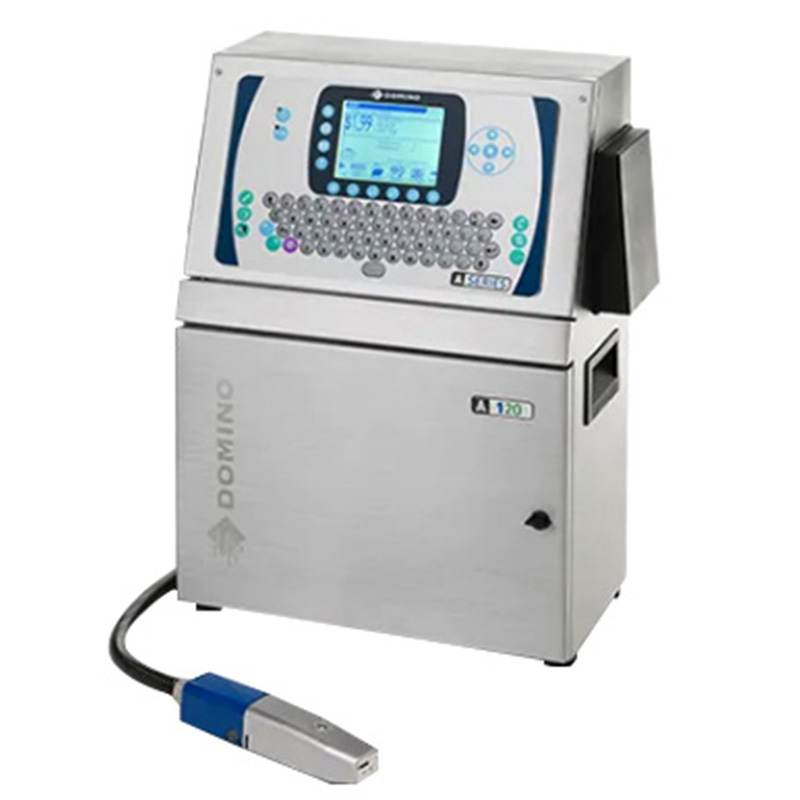
The System ciągłego druku atramentowego (CIJ) działa poprzez precyzyjną kontrolę cieczy. Nadciśnienie farby powoduje stały przepływ, który w końcu rozdziela się na równomiernie odległe krople. Kroplom tym nadawane są ładunki elektryczne, a następnie przemieszczają się one w kierunku określonych obszarów za pomocą płytek odchylających elektrostatycznie. Jeśli krople mają trafić w inne miejsce, są po prostu odprowadzane do kolektora zbiorczego w celu ponownego wykorzystania. Kluczową zaletą tego rozwiązania jest możliwość drukowania na różnego rodzaju trudnych powierzchniach – np. nieregularnych, stale poruszających się lub wrażliwych na działanie temperatury – bez konieczności fizycznego kontaktu z nimi. Ponadto, ponieważ system farby działa w zamkniętej pętli, podczas pracy marnowana jest bardzo mała jej ilość. Systemy CIJ umożliwiają drukowanie z niesamowitą prędkością – czasem przekraczającą 1000 stóp na minutę (około 300 metrów na minutę). Dla producentów prowadzących duże zakłady produkcyjne, gdzie każdy sekundowy czas ma znaczenie, takie osiągi stają się absolutnie niezbędne przy utrzymywaniu spójnej wydajności w ramach masowych serii produkcyjnych.
Zalety przemysłowe: duża odległość odczytu, ekstremalna elastyczność podłoży oraz gotowość do standardu GS1 Sunrise 2027
Drukarki CIJ doskonale sprawdzają się w trudnych warunkach przemysłowych, ponieważ mogą obsługiwać odległość głowicy drukującej od podłoża do 25 mm. Dzięki temu doskonale radzą sobie z przerwami na taśmie przenośnika, wystającymi produktami lub opakowaniami, które nie są płaskie. Drukarki te współpracują z wszelkiego rodzaju atramentami, w tym rozpuszczalnikowymi, pigmentowymi i odpornymi na promieniowanie UV. Drukują kody, które pozostają czytelne nawet na trudnych powierzchniach, takich jak metal chłonący atrament, plastik zawilgocony od wewnątrz i szkło o zakrzywionych krawędziach. Najważniejsze jest to, jak te systemy CIJ spełniają obecne i przyszłe wymagania prawne. Drukują wyraźne kody 2D o rozdzielczości 600 dpi, które nie blakną po wielokrotnej sterylizacji ani pod wpływem ekstremalnych temperatur od minus 50 do plus 50 stopni Celsjusza. Kody są również odporne na zużycie mechaniczne. Wraz ze zbliżaniem się wymagań GS1 Sunrise 2027, producenci wiedzą, że technologia CIJ oferuje dokładnie to, czego potrzeba dzisiaj, jednocześnie przygotowując się na jutrzejsze wymagania w zakresie znakowania łańcuchów dostaw w różnych branżach.
Ewolucja technologii termicznej drukarki atramentowej (TIJ): precyzja, zrównoważoność i zgodność z nowoczesnymi wymogami
Działanie bez rozpuszczalników i konstrukcja o niskim stopniu konieczności konserwacji: przewaga TIJ w środowiskach farmaceutycznym i spożywczym
Technologia termicznej drukarki atramentowej eliminuje szkodliwe lotne związki organiczne (VOC) poprzez przejście na farby wodne, co znacznie ogranicza szkody dla środowiska – według danych branżowych o około 78% w porównaniu z tradycyjnymi rozwiązaniami opartymi na rozpuszczalnikach. System wyposażony jest w uszczelnione kasetowe głowice drukujące, dzięki czemu całkowicie eliminuje się konieczność codziennego czyszczenia dysz, pracy z rozpuszczalnikami oraz obsługi skomplikowanych cieczy. Wymiana części odbywa się wyłącznie w trakcie regularnych przerw serwisowych, co pozwala utrzymać czas gotowości maszyn na poziomie około 99,5%, nawet w miejscach, gdzie szczególnie istotna jest czystość – takich jak apteki czy zakłady przetwórstwa spożywczego, w których inne systemy często napotykają problemy spowodowane zanieczyszczeniem. Ponadto, ponieważ farba pozostaje zawarta wewnątrz systemu, występuje mniej wycieków i mniejsze parowanie w czasie eksploatacji. Samo to rozwiązanie zapewniające zamkniętość systemu pozwala obniżyć roczne koszty zużycia materiałów o około 30%; jednak konkretne oszczędności mogą się różnić w zależności od indywidualnych wzorców użytkowania danej firmy.
Kodowanie o wysokiej rozdzielczości: dokładność macierzy dwuwymiarowej i integralność kodu kreskowego GS1 przy rozdzielczości Ø1200 dpi
Obecne drukarki TIJ osiągają rozdzielczość około 1200 dpi, co przekracza wymagania GS1 Sunrise 2027 dotyczące czytelnych kodów kreskowych zapewniających poprawne skanowanie. Dzięki tak wysokiej szczegółowości producenci mogą drukować miniaturowe kody Data Matrix o wymiarach zaledwie 1,5 mm bezpośrednio na urządzeniach medycznych oraz umieszczać gęsto upakowane daty przydatności do spożycia na opakowaniach pęcherzykowych bez jakichkolwiek problemów. Testy wykazały, że te drukarki zapewniają 100-procentowe skuteczne skanowanie za pierwszym razem, nawet w przypadku trudnych do obsłużenia powierzchni zakrzywionych lub o szorstkiej fakturze, dzięki czemu firmy pozostają zgodne ze wszystkimi obowiązującymi przepisami dotyczącymi śledzenia produktów. Czym różnią się drukarki TIJ od tradycyjnych systemów CIJ? Drukarki TIJ stosują metodę drukowania „drop-on-demand” (drukowanie na żądanie), a nie ciągłe rozpylanie atramentu. Oznacza to, że każda kropla atramentu trafia dokładnie w wyznaczone miejsce, bez marnowania atramentu ani rozmazania, które później mogłyby utrudnić skanowanie. Dane rzeczywiste z zakładów produkcyjnych wskazują, że przedsiębiorstwa odnotowały redukcję odpadów produktowych spowodowanych nieczytelnymi etykietami o około 22 procent, jak podano w raporcie z ubiegłorocznej edycji „Packaging Efficiency Report”.
Całkowity koszt posiadania i niezawodność eksploatacyjna: porównanie rzeczywistych warunków pracy technologii CIJ i TIJ
Przy wyborze przemysłowych systemów znakowania 60% producentów kieruje się kosztem początkowym zamiast wartością całkowitą w okresie użytkowania — co prowadzi do wyższych kosztów długoterminowych o 40–60% (Raport o efektywności przemysłowej 2024). Technologie CIJ i TIJ istotnie różnią się pod względem zrównoważoności, czasu gotowości do pracy oraz skalowalności — wymagając analizy TCO z uwzględnieniem kontekstu.
Ekonomia czasu gotowości do pracy: opóźnienia związane z nagrzewaniem się systemów CIJ oraz obsługa rozpuszczalników kontra stała, natychmiastowa gotowość do pracy systemów TIJ
Systemy ciągłego druku atramentowego (CIJ) wymagają tych uciążliwych okresów nagrzewania trwających od 30 do 90 sekund za każdym razem, gdy są ponownie uruchamiane, co w sumie oznacza utratę około trzech godzin rocznie na maszynę tylko z powodu zmiany zmian. Nie zapominajmy również o regularnym czyszczeniu dysz rozpuszczalnikami. Mamy dokumenty potwierdzające, że według wytycznych OSHA z ubiegłego roku czyszczenie to wiąże się z rzeczywistymi zagrożeniami dla zdrowia pracowników. Spójrzmy natomiast na drukarki termiczne do druku atramentowego (TIJ). Te urządzenia uruchamiają się natychmiast, bez konieczności oczekiwania lub stosowania brudnych chemikaliów. Dzięki temu zmiana partii staje się znacznie bardziej płynna. Firmy farmaceutyczne przeprowadzające testy stwierdziły, że te drukarki TIJ osiągają imponującą dostępność operacyjną na poziomie 99,5 procenta podczas intensywnego użytkowania.
Czynniki wpływające na całkowity koszt posiadania (TCO): żywotność materiałów eksploatacyjnych, efektywność energetyczna, szkolenie operatorów oraz wdrożenie w skali linii produkcyjnej
Ponadto od ceny atramentu kluczowe zmienne wpływające na całkowity koszt posiadania (TCO) obejmują zużycie energii, pracę serwisową, obciążenie związane ze szkoleniem personelu oraz architekturę wdrożenia:
| Komponent | Systemy CIJ | Drukarki TIJ |
|---|---|---|
| Żywotność atramentu | 6–12 miesięcy (pojemniki zbiorcze) | 30–60 dni (kasetka) |
| Zużycie energii | 120 W (w trakcie pracy) | 45 W (w trakcie pracy) |
| Konserwacja roczna | 20 godzin (zarządzanie rozpuszczalnikiem) | < 5 godzin |
Łatwość instalacji i użytkowania systemów TIJ znacznie skraca czas szkolenia operatorów w porównaniu do systemów CIJ, które wymagają intensywnych kalibracji podczas uruchamiania. Z drugiej strony systemy CIJ lepiej sprawdzają się w dużych operacjach: jeden centralny drukarka CIJ może obsługiwać nawet dwanaście różnych linii produkcyjnych jednocześnie, podczas gdy większość konfiguracji TIJ nadal wymaga oddzielnych jednostek dla każdej linii. Dane z rzeczywistych zakładów produkcyjnych wskazują, że w średnich zakładach z mniej niż pięcioma działającymi liniami TIJ pozwala zwykle na obniżenie całkowitych kosztów o około 30 procent. Sytuacja zmienia się jednak w przypadku bardzo dużych zakładów pracujących w trybie 24/7. Po około trzech latach eksploatacji w takich środowiskach systemy CIJ stają się bardziej opłacalne, szczególnie wtedy, gdy priorytetem jest maksymalna prędkość drukowania oraz gdy firmy muszą nanosić oznaczenia na różnorodne materiały, mimo dodatkowej pracy serwisowej, jaką one wiążą.