
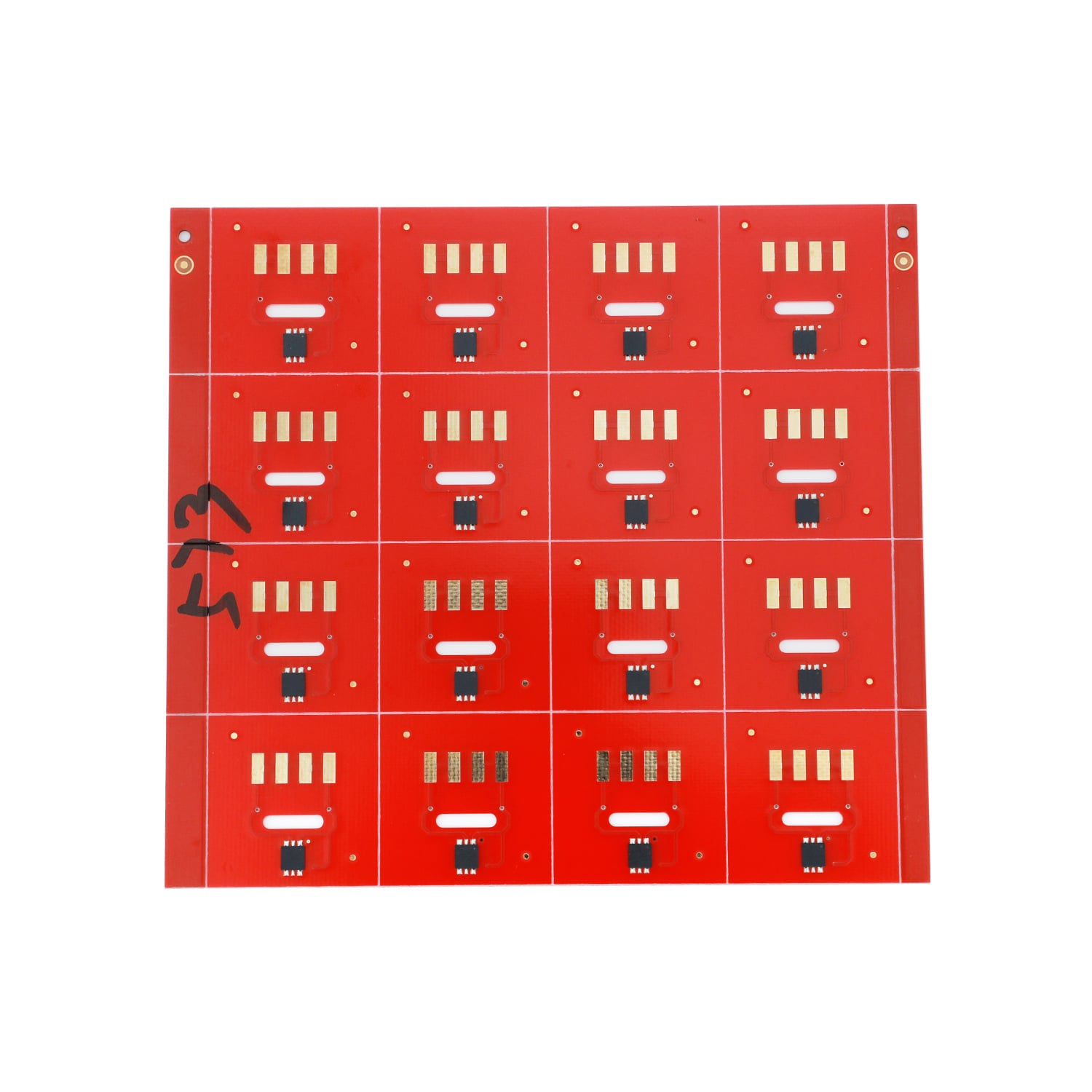
Chip Tag Fundamentals: Definition, Core Components, and How It Works
A chip tag is a compact electronic device that uses Radio Frequency Identification (RFID) technology to wirelessly identify and track objects. Its three core components work in concert:
- Integrated Circuit (Chip): Stores unique identification data and executes communication protocols.
- Antenna: Captures energy from RFID readers and transmits the chip's response.
- Substrate: Bonds the chip and antenna into a durable, often ruggedized, physical unit—critical for industrial resilience.
Passive RFID chips work by pulling energy from radio signals in their environment to power up and send back information. Active versions have built-in batteries which let them operate over longer distances and offer more features. When a reader picks up these signals, it gives companies immediate insight about where assets are located, what condition they're in, and whether they meet regulations. This capability makes managing inventory much more accurate, streamlines warehouse operations, and keeps track of everything needed for audits without extra paperwork or manual checks.
Key Applications of Chip Tags Across Industries
Supply Chain Tracking and Logistics Optimization
Chip tags give companies much better visibility throughout their entire supply chain because they allow automatic tracking in real time from when products are staged in warehouses all the way until they reach their final destination. When workers scan these chips automatically at loading docks and various checkpoints along the way, it actually cuts down on those annoying manual data entry mistakes by around 30 percent and helps prevent those frustrating shipping delays we all hate. Plus, using route optimization based on where things actually are right now can save companies about 15% in yearly fuel expenses according to industry reports. These tags work really well even under tough conditions like inside refrigerated containers or during transportation that involves a lot of vibration, so they keep performing reliably no matter how complicated the journey gets through different parts of the logistics network.
Retail Inventory Management and Anti-Counterfeiting
Chip tags are becoming a game changer for retailers when it comes to doing inventory checks almost instantly. These smart tags cut down on stock errors by about 25% and basically stop those annoying situations where products are missing from shelves. What makes them really special is the built in security feature that verifies where products come from and if they've been tampered with. This helps fight fake goods entering the market and keeps brands looking trustworthy. Stores can now monitor what's happening on each shelf in real time, which means staff knows exactly when to restock items before customers even notice something is missing. Plus, these systems work hand in hand with online sales platforms so what's available in store matches what shows up on websites. No more frustrated shoppers finding an item online only to discover it's not actually in stock at their local branch.
Healthcare Asset Monitoring and Compliance
Many hospitals now use chip tags to track expensive mobile equipment like infusion pumps, defibrillators, and wheelchairs. These devices can find what they need within seconds, which cuts down on average search time by around 40% and gets more gear put to good use across departments. The system also includes built-in compliance tools that keep track of when things get sterilized, note maintenance schedules, and log how often each item is used. This helps facilities stay compliant with all those regulatory bodies including the FDA, Joint Commission standards, and ISO 13485 guidelines. For temperature-sensitive items such as vaccines and certain biological products, special versions of these chips constantly check storage conditions throughout transport and storage periods. This monitoring not only protects patients but makes audits much smoother when inspectors come calling.
Source: Logistics Efficiency Report 2023
Chip Tag vs. Traditional RFID: Technical Differentiators and Performance Advantages
Chip tags represent a purpose-built evolution of RFID—designed not just for identification, but for intelligent, secure, and scalable asset intelligence. Unlike conventional passive RFID systems that rely on simple antenna coupling and limited memory, chip tags integrate microprocessors capable of encrypted storage, bidirectional communication, and local data processing.
This architectural advancement delivers measurable performance advantages:
- Extended Read Ranges: UHF chip tags achieve detection distances up to 100 meters—greater than standard passive RFID's 3–10 meter limit—enabling facility-wide coverage without dense reader deployment.
- Environmental Resilience: Reinforced polymer housings, IP67+ ratings, and wide operating temperatures (–40°C to 85°C) ensure reliability in chemical exposure, steam sterilization, or heavy machinery environments where traditional tags degrade or fail.
- Data-Intensive Capabilities: With on-tag memory up to 8KB—far exceeding passive RFID’s typical 96-bit to 2KB ceiling—chip tags store encryption keys, full maintenance histories, digital certificates, and sensor metadata directly on the device.
Chip tags can read over 1,000 items at once, which cuts down on inventory checks by roughly 60 to 75 percent compared to old-fashioned RFID scanning methods. The pharmaceutical industry has found something particularly useful in them too. These chips come with built-in security features that stop fake products from getting mixed in with real ones. Some studies indicate this security reduces counterfeiting risks by almost 90 percent when compared to regular RFID systems. When companies actually implement these technologies across their operations, they start seeing real money savings pretty quickly. Less staff time spent counting stock, fewer losses from stolen goods, and automatic reports for compliance requirements all contribute to better bottom lines for businesses adopting chip tag solutions.
Selecting the Right Chip Tag: Key Criteria for B2B Buyers
Choosing the optimal chip tag requires aligning technical capabilities with real-world operational demands. Prioritize these criteria to ensure long-term reliability, system interoperability, and total value.
Frequency Band, Read Range, and Environmental Durability
Choosing between low frequency (LF), high frequency (HF), or ultra high frequency (UHF) RFID systems affects how far the signal can reach, what materials might block it, and which regulations apply. UHF works best outdoors for things like warehouse inventory tracking since it can read tags from over 10 meters away. But there's a catch when working around metal objects or liquid containers that can mess up the signal. When setting up RFID in factories or production areas, look for tags with at least an IP67 rating so they can handle dust and water exposure. These tags should also perform reliably whether it's freezing cold at -40 degrees Celsius or sweltering hot at 85 degrees. Mechanical stress from daily operations is another factor to consider. Don't forget to check if the tags meet industry standards like IEC 60068-2 for testing against shocks, vibrations, and temperature changes over time. This ensures the system will keep working properly even under tough conditions.
Integration Compatibility with Existing ERP and WMS Systems
Getting data flowing smoothly into enterprise systems isn't optional anymore. Check if the system supports standard protocols such as ISO 18000-6C and EPC Gen2v2. These standards cut down on the need for extra software layers and can save companies around 30% on integration expenses according to Logistics Tech Report from last year. Look at how well the APIs are documented too. Most good systems come with ready-made connections for big names in ERP like SAP and Oracle, plus warehouse management solutions. Don't forget to ask potential suppliers about compatibility tests with existing equipment before making any commitments. Nobody wants to spend extra money fixing old systems later on.
Certifications, Scalability, and Total Cost of Ownership
When selecting certifications for your business area, consider these options based on what matters most. Livestock tracking and pharmaceutical applications need ISO 14223 or ECMA-356 standards. Companies planning international operations should check FCC, CE, and IC requirements. Those working in dangerous settings will want ATEX or IECEx compliance. Don't get caught focusing only on the sticker price either. The total cost picture includes things like reader equipment costs, software license fees, regular firmware upgrades, managing system lifecycles, and proper end-of-life disposal practices. Large organizations implementing across multiple locations need to make sure bulk pricing actually covers service level agreements that matter. Pay particular attention to performance guarantees such as maintaining at least 99.9% reading accuracy when operating within specified environmental parameters.