
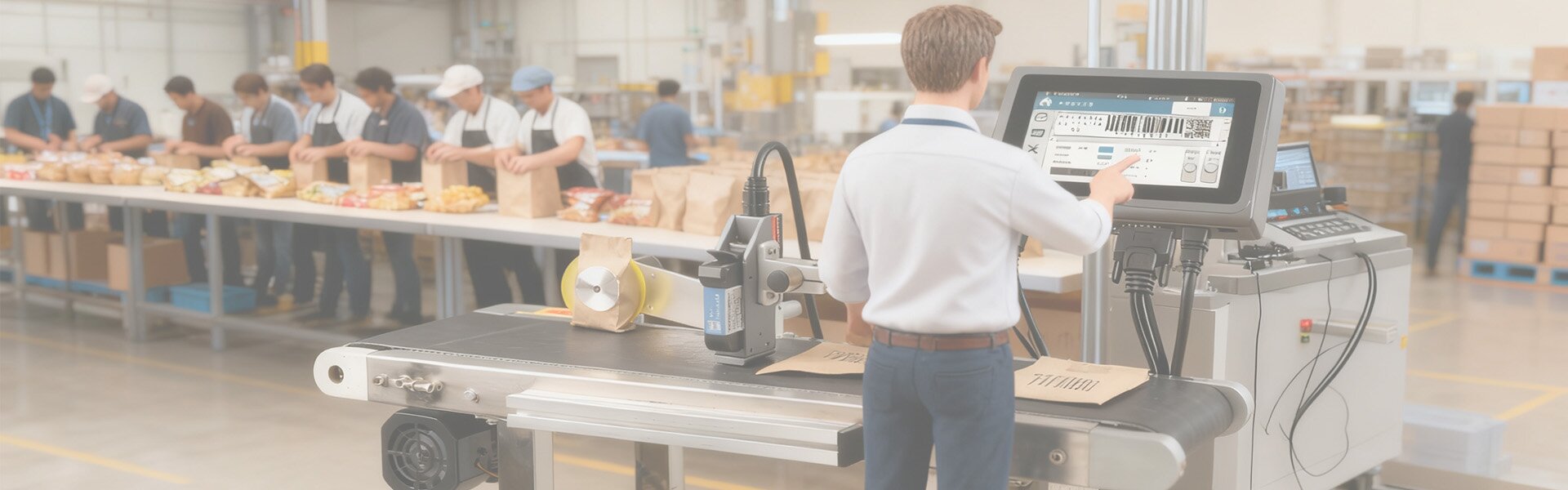
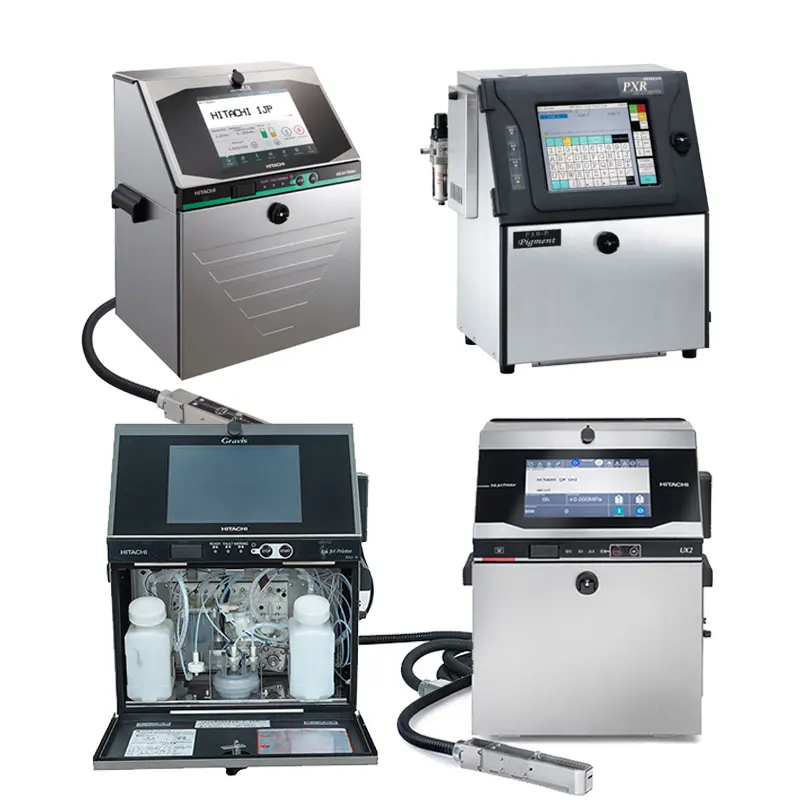
Field Insights into Workflow Integration with a Hitachi Inkjet Printer Walking through high-speed packaging lines and automated industrial plants across global manufacturing hubs reveals a consistent operational reality: flawless traceability dicta...
VIEW MORE
Field Insights into Modern Coding Integration Walking through high-speed packaging lines and automated industrial plants across global manufacturing hubs reveals a consistent operational reality: flawless traceability dictates entire facility compl...
VIEW MORE
Field Insights into Modern Coding Operations Running high-speed packaging lines and automated product identification networks across modern manufacturing hubs reveals a constant operational reality: fluid reliability dictates total facility through...
VIEW MORE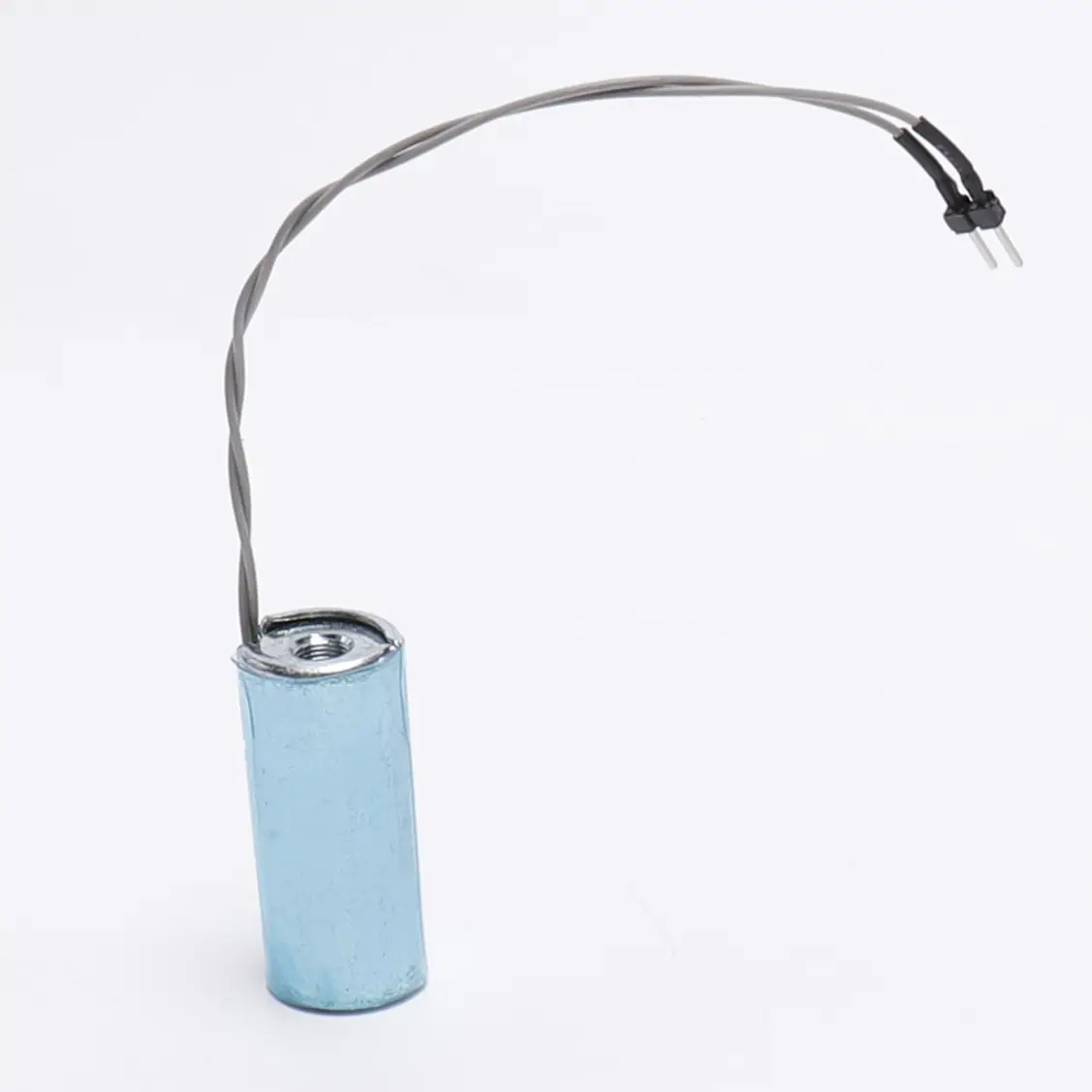
Field Insights into Industrial Valve Reliability and Flow Control Navigating high-speed fluid distribution networks and automated manufacturing hubs exposes a constant operational reality: mechanical stability dictates total facility throughput and...
VIEW MORE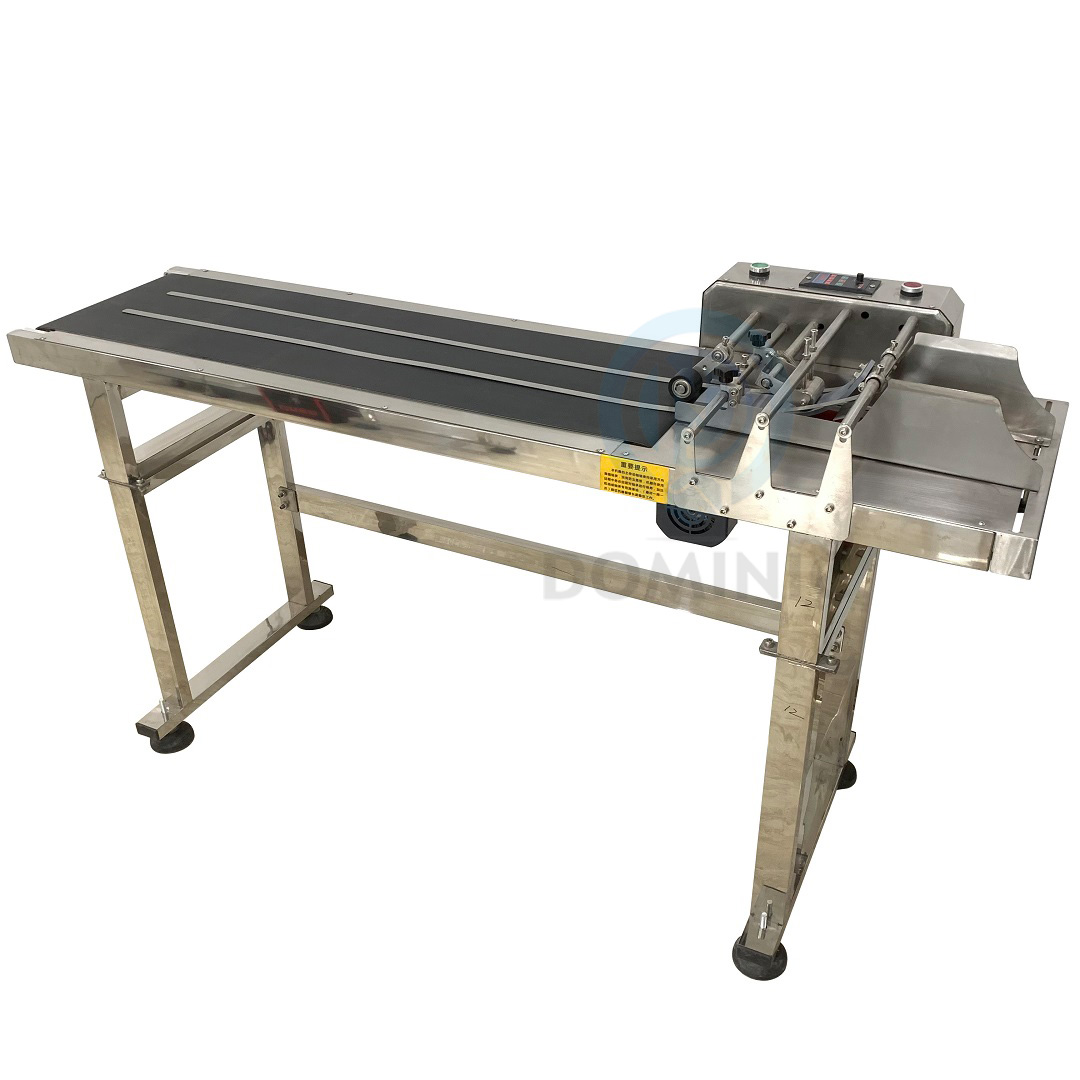
Field Insights into Industrial Conveyor Maintenance Navigating high-volume bulk material handling facilities and automated distribution yards across major industrial manufacturing hubs exposes a constant operational reality: mechanical stability di...
VIEW MORE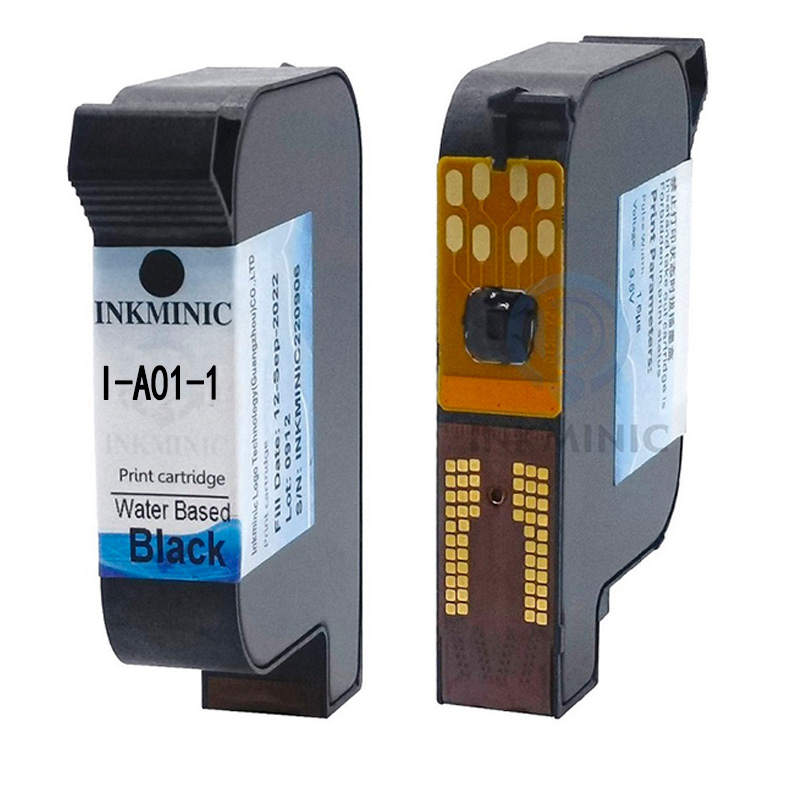
Evaluating Industrial Printing Demands and Cartridge Selection Managing an advanced manufacturing and continuous packaging floor requires balancing aggressive production throughput quotas against strict regulatory identification standards and unpre...
VIEW MORE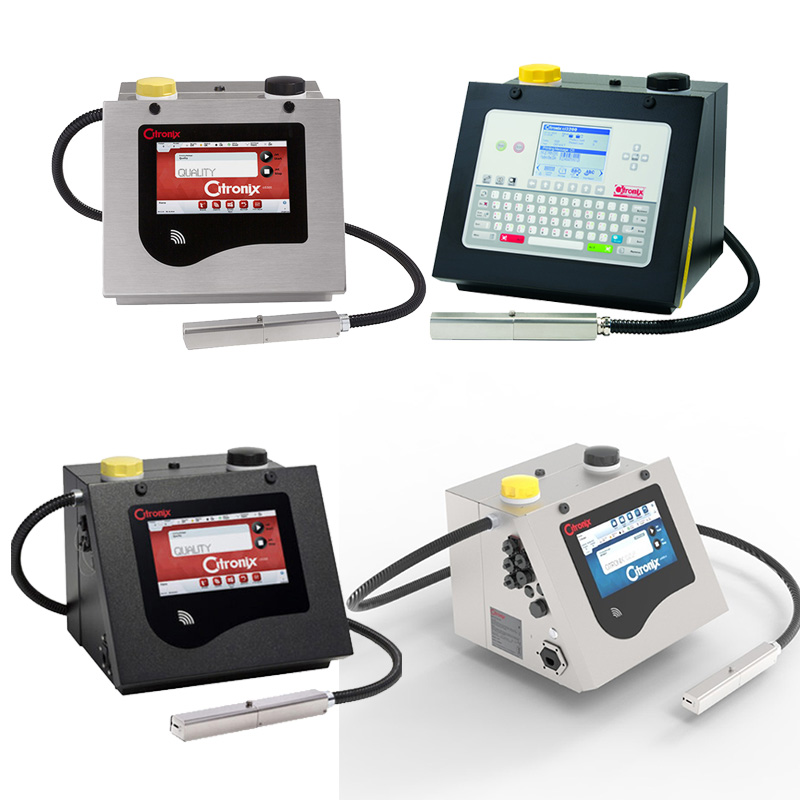
Precision Variable Data Printing with Thermal Transfer OverprintersHow TTO’s ribbon-based heat-transfer mechanism ensures consistent barcode and date legibility at line speedA Thermal Transfer Overprinter (TTO) uses a precision-heated printhead to me...
VIEW MORE
Evaluating Capital Expenditure Pressures and Coding Line Economics Managing an advanced manufacturing and high-speed packaging floor requires balancing aggressive operational budget constraints against the strict identification standards demanded b...
VIEW MORE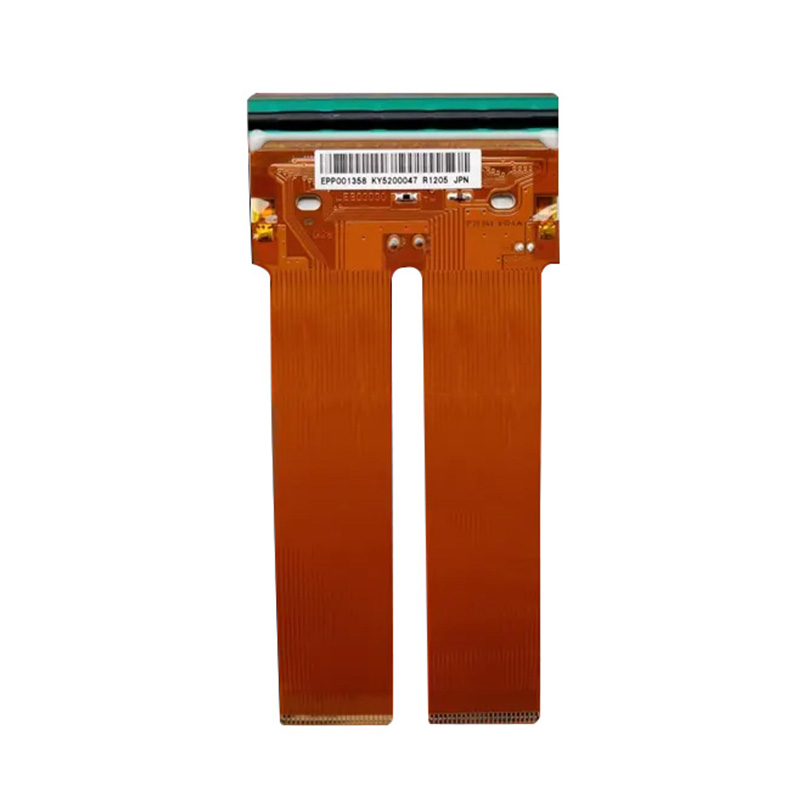
Evaluating Printhead Vulnerabilities and Production Line Reliability Managing a high-speed packaging and coding floor requires balancing aggressive production schedules against the delicate operational tolerances of fragile inkjet infrastructure. F...
VIEW MORE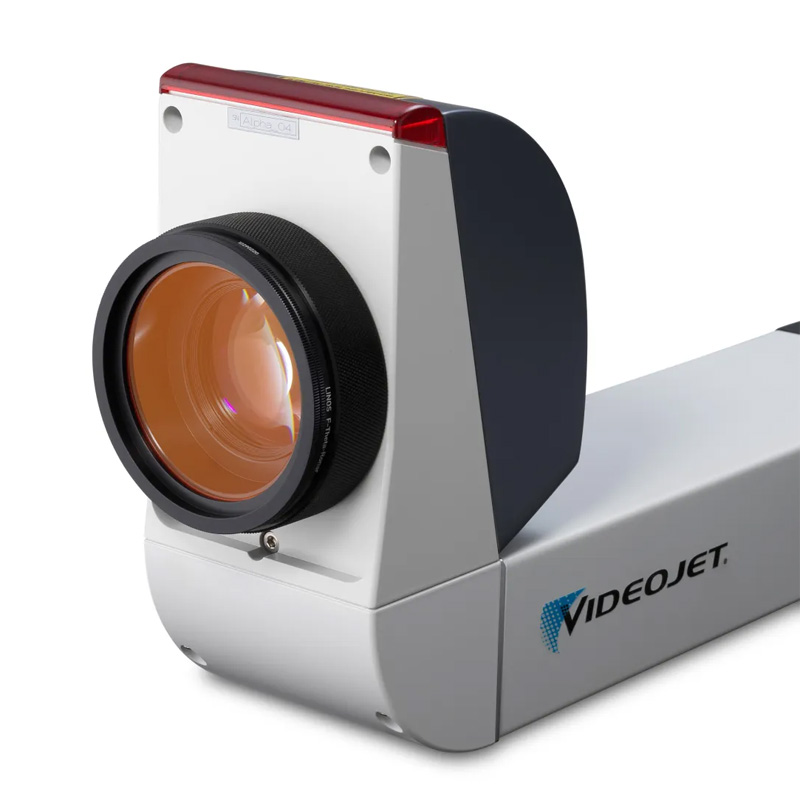
Evaluating Modern Production Bottlenecks and High-Speed Coding Evolution Managing an advanced manufacturing and continuous assembly floor requires balancing aggressive production throughput quotas against strict regulatory identification standards ...
VIEW MORE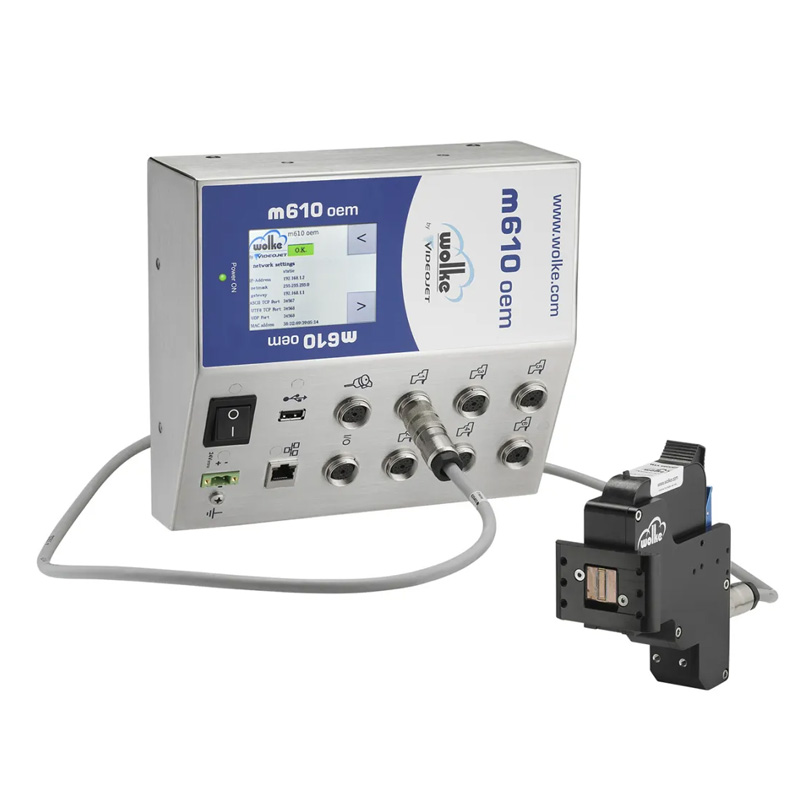
The Paradigm Shift in Industrial Identification In the fast-moving world of modern manufacturing, the traditional model of offline product marking—where items are removed from the line to be coded—is rapidly becoming obsolete. Today&rsq...
VIEW MORE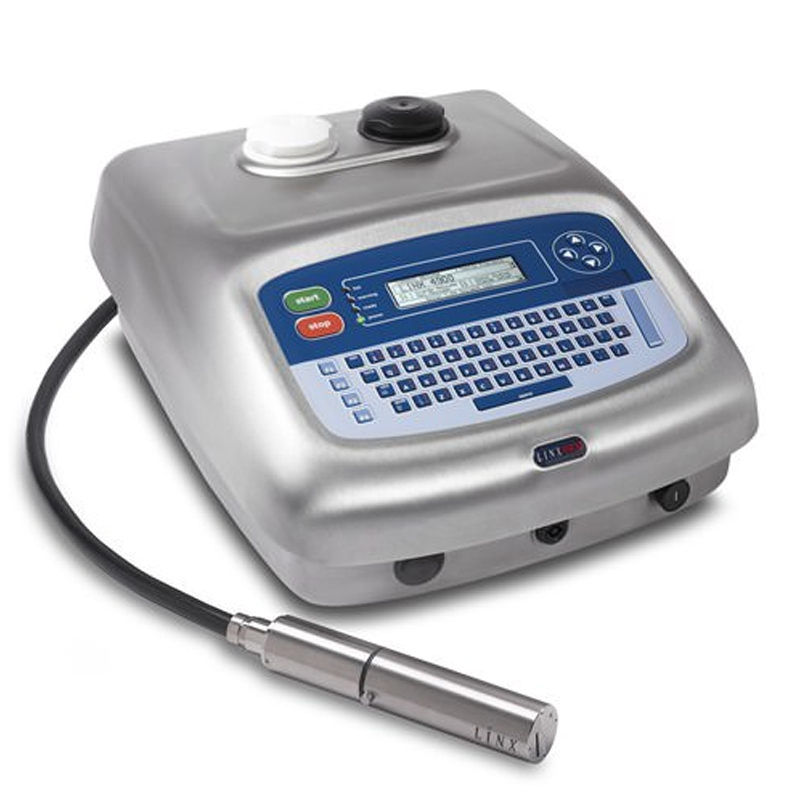
The Evolution of Industrial Traceability In the landscape of 2026 industrial operations, the selection of identification equipment has transformed from a routine procurement task into a strategic financial commitment. As manufacturing environments ...
VIEW MORE