
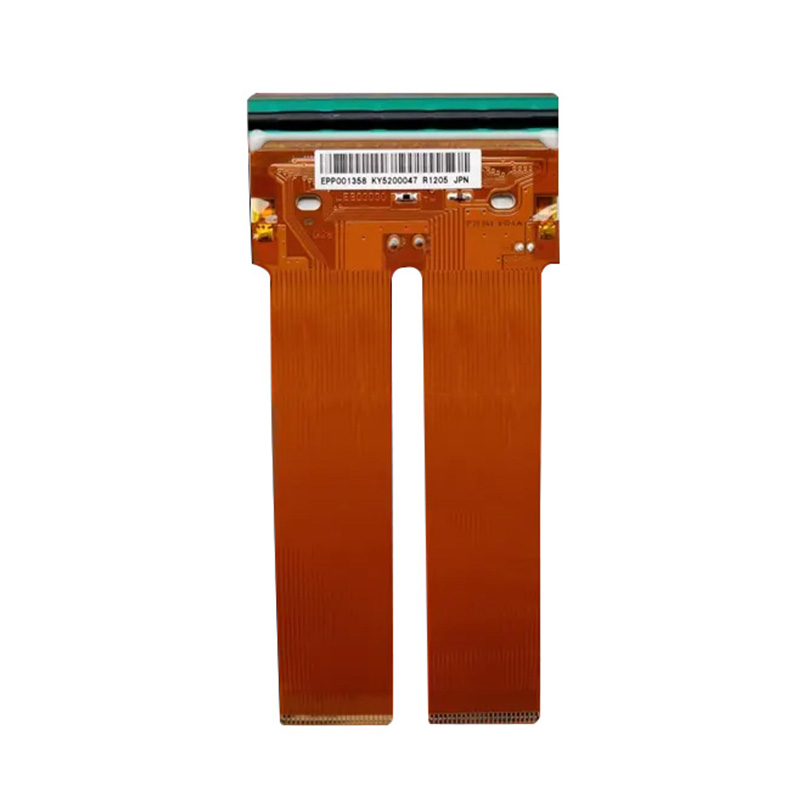
Evaluating Printhead Vulnerabilities and Production Line Reliability
Managing a high-speed packaging and coding floor requires balancing aggressive production schedules against the delicate operational tolerances of fragile inkjet infrastructure. Factory supervisors frequently encounter unexpected print failures driven by microscopic nozzle drying, ink sedimentation, airborne dust accumulation, and inconsistent voltage delivery during peak shifts. Years of hands-on involvement in industrial marking operations demonstrate that sustainable printhead longevity stems from disciplined preventative maintenance routines rather than reactive emergency unclogging. When manufacturing facilities establish rigorous cleaning schedules, transparent tracking protocols, and standardized startup procedures, they lay a resilient foundation for flawless character legibility and scalable output growth. Furthermore, adopting cross-functional equipment audits enables plant operators to uncover hidden environmental stressors that typically evade routine financial reviews, ensuring comprehensive administrative oversight across all production lines and packaging cells.
Micro-Nozzle Physics and Thermal Inkjet Mechanics
Operating thermal inkjet systems across diverse packaging materials exposes severe mechanical limitations in poorly maintained printhead configurations. During rapid droplet ejection phases, thousands of microscopic resistors undergo intense thermal cycling, rapidly vaporizing tiny fluid pockets to force ink droplets through nozzles measuring mere microns in width. Practical workshop troubleshooting reveals that minor voltage fluctuations or microscopic air bubbles within the fluid chamber can severely disrupt droplet velocity, leading to faded text, missing scan lines, and distorted barcodes. Transitioning toward a proactive maintenance philosophy fundamentally alters printhead reliability by ensuring that fluid viscosity matches current ambient operating temperatures. This sophisticated attention to microscopic fluid dynamics prevents the thermal dry-out and resistor burnout that typically degrade standard printing components prematurely, underscoring why strict adherence to manufacturer engineering guidelines is paramount for modern coding success.
Preventative Cleaning Protocols and Solvent Management
Achieving true operational excellence relies heavily on the structured cleaning protocols and chemical management practices embedded within contemporary coding facilities. Modern thermal inkjet assets heavily benefit from manufacturing breakthroughs that utilize specialized flushing fluids, lint-free optical wipes, and automated capping stations to prevent ink polymerization on nozzle plates. Computational flow studies and industrial packaging research groups consistently highlight that gentle, non-abrasive cleaning routines can substantially reduce permanent nozzle blockage over extended production runs compared to harsh scraping methods. Furthermore, precise solvent selection and proper storage of replacement cartridges minimize chemical degradation and particulate contamination across major manufacturing networks. Integrating automated purge cycles empowers maintenance teams to move from reactive printhead replacement to precision optical engineering.
Operator Hygiene, Environmental Controls, and Moisture Management
Human capital and ambient factory conditions remain decisive yet frequently underestimated variables in industrial printhead economics and daily code quality. Operating sensitive thermal inkjet machinery across crowded production facilities requires strict adherence to environmental controls, including regulated humidity levels, dust-free enclosures, and proper cartridge docking procedures during extended factory shutdowns. Experienced technicians understand that airborne particulate matter and fluctuating ambient temperatures directly influence ink drying rates and nozzle clogging tendencies. Modern printing stations feature sealed docking bays, filtered intake vents, and intuitive diagnostic prompts that minimize cognitive load during routine shift handovers. Furthermore, enforcing strict operator hygiene standards safeguards delicate electrical contacts from oils and debris, protecting valuable equipment and lowering operational expenses while fostering a secure manufacturing culture across demanding industrial sectors worldwide.
Real-Time Monitoring and Diagnostic Telematics
Unplanned printhead failures represent one of the most destructive drains on packaging budgets, frequently triggering costly emergency line stoppages, expedited replacement shipments, missed delivery windows, and severe client dissatisfaction. Shifting away from legacy reactive repair models toward predictive monitoring utilizing real-time printer telemetry fundamentally alters equipment reliability and workshop efficiency. Continuous remote tracking of firing voltage stability, cartridge temperature metrics, droplet firing counts, and electrical resistance allows maintenance teams to address micro-degradation long before complete nozzle failure occurs. This transparent, data-backed methodology guarantees that every coding asset functions at peak performance, drastically minimizing unexpected assembly line downtime, optimizing spare parts inventory, and preserving equipment lifespan across demanding multi-year service lifecycles without relying on guesswork.
Strategic Supply Chain Integration and Brand Reliability
Achieving true operational excellence ultimately requires aligning technical maintenance practices with broader corporate growth objectives and resilient supply chain partnerships. Consolidating printing telemetry data empowers management teams to identify systemic wear patterns, forecast consumable usage, and optimize equipment replacement schedules with absolute precision. Delivering long-term profitability in competitive global markets depends on securing robust, precision-engineered printing equipment backed by comprehensive manufacturing expertise and dependable global supply chain support. Through advanced production frameworks, stringent quality testing, and rigorous manufacturing standards, Inkminic delivers heavy-duty inkjet solutions engineered to withstand punishing factory environments while maximizing operational uptime, ensuring that global industrial enterprises maintain a distinct competitive edge.