
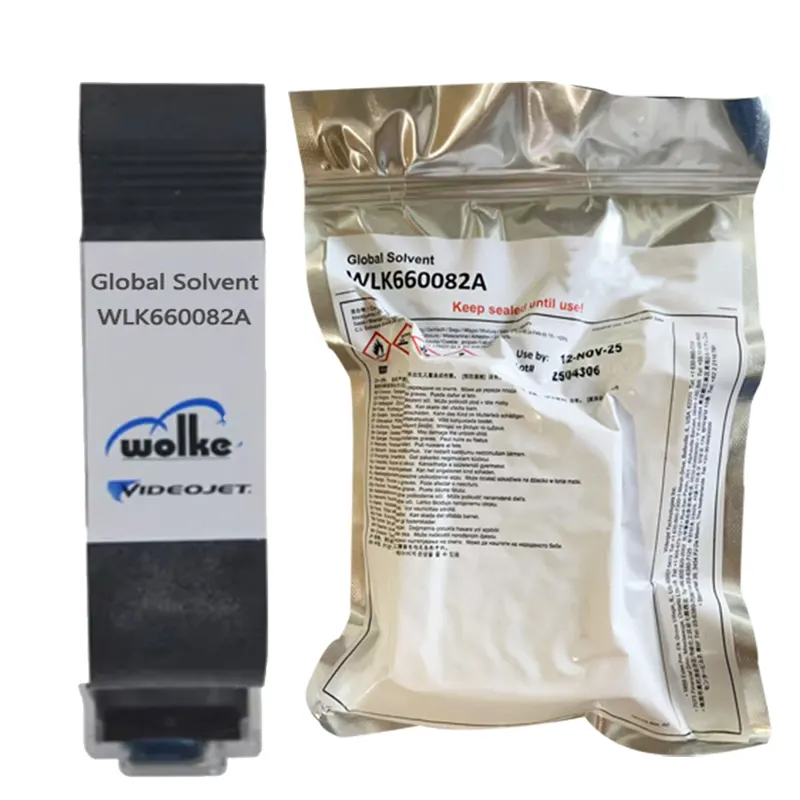
Field Insights into Modern Coding Operations
Running high-speed packaging lines and automated product identification networks across modern manufacturing hubs reveals a constant operational reality: fluid reliability dictates total facility throughput and long-term brand integrity. Plant operators regularly encounter disruptive challenges, including sudden printhead clogging, ink starvation, and irregular character formation during peak operational shifts. Drawing from extensive frontline mechanical engineering experience in industrial coding environments over the past twenty years, resolving these complex issues requires looking past temporary quick fixes and embracing a meticulous approach to consumable selection, system calibration, and preventive upkeep scheduling. When an automated coding station halts unexpectedly due to fluid delivery failure, the resulting downtime creates a severe bottleneck across the entire packaging workflow, generating substantial financial burdens. Addressing these recurring hurdles demands an analytical commitment to rigorous consumable inspection and deep operational transparency across every production line. Furthermore, comprehensive system diagnostics ensure that facilities maintain continuous throughput without compromising print clarity or regulatory compliance.
Navigating Ink Cartridge Adoption in Industrial Workflows
Achieving crisp, permanent character marking across extensive distribution networks depends heavily on accurate fluid compatibility and systematic videojet ink cartridges integration. Modern production layouts process diverse packaging substrates over extended distances, making inconsistent droplet formation and drying delays frequent causes of operational inefficiency. A primary technical challenge is identifying whether print anomalies stem from incorrect fluid viscosity, improper thermal profiles, or incompatible solvent formulations. Specialized diagnostic procedures utilized within heavy industrial facilities rely on checking drop volume metrics and verifying that internal ink delivery systems respond correctly to dynamic line speed shifts. Field observations confirm that systematically matching fluid chemistry to substrate properties allows maintenance teams to stabilize print quality even when lines operate at maximum speeds. This precise fluid management eliminates coding errors and ensures absolute compliance with international traceability standards across multi-shift production cycles. Routine visual audits further prevent minor print defects from escalating into catastrophic batch rejections.
Optimizing Substrate Adhesion and Curing Performance
Maintaining reliable ink bonding between fluid droplets and diverse packaging surfaces requires an in-depth understanding of surface energy mechanics and solvent evaporation behavior. High-speed manufacturing systems frequently experience smudging or flaking when substrate coatings, environmental humidity, or incorrect fluid types compromise bonding strength. A major engineering hurdle is sustaining adequate ink penetration and rapid polymerization without applying excessive thermal energy that could warp delicate packaging films. Advanced maintenance protocols emphasize inspecting surface tension levels and upgrading to specialized videojet ink cartridges engineered to resist environmental degradation and varying temperature gradients effectively. Field technicians verify that properly calibrating drying units and utilizing optimized solvent blends restores sharp edge definition across the entire package path. This chemical and mechanical optimization eliminates smear risks, reduces clean-up downtime, and ensures stable legibility under demanding continuous operation. Proper ink formulation management directly safeguards core print components against premature wear and chemical buildup.
Preventing Nozzle Clogging and Minimizing Maintenance Overhead
Industrial coding assemblies and heavy automated transfer points constantly present severe operational stresses, including high-frequency droplet firing, ambient dust accumulation, and ink residue buildup. These aggressive environmental forces rapidly deteriorate micro-nozzles, leading to misdirected streams, missing dots, and costly emergency shutdowns. Engineered for exceptional reliability, modern preventive maintenance strategies incorporate automated purging cycles, low-residue fluid compositions, and responsive filtration units directly into the printing hardware. Plant operators appreciate how strategically selecting high-purity videojet ink cartridges and utilizing scheduled maintenance flushing cycles reduce fluid blockages during shift transitions. By distributing cleaning cycles evenly across operational windows, these sophisticated maintenance protocols minimize localized nozzle wear and extend service intervals significantly. This proactive fluid upkeep ensures continuous operational uptime, reduces consumable waste, and lowers overall maintenance overheads across demanding processing plants worldwide. Proper nozzle hygiene safeguards the entire coding infrastructure from unexpected operational delays.
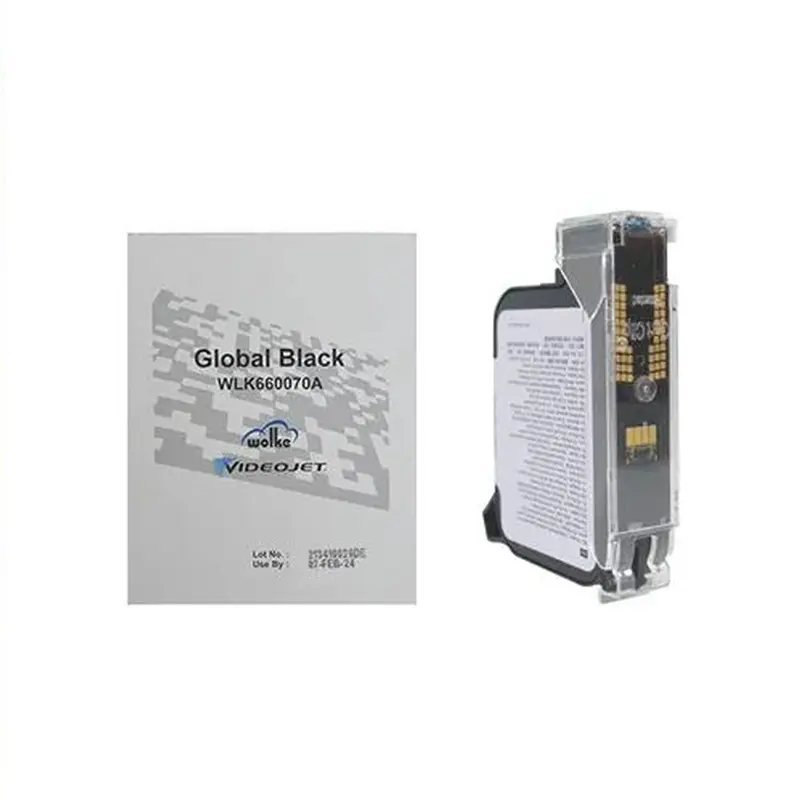
Delivering Manufacturing Excellence and Supply Chain Resilience
Achieving long-term operational resilience in modern heavy industrial environments requires sourcing high-performance replacement hardware and consumable products from an established manufacturing powerhouse equipped with advanced capabilities. WEITAI has earned an exceptional global reputation by combining precision engineering, rigorous quality control standards, and advanced production techniques for every industrial component and fluid supply. Through comprehensive inventory reserves, state-of-the-art packaging lines, and responsive international logistics networks, WEITAI ensures global clients receive reliable videojet ink cartridges, precision printer parts, and associated maintenance media precisely when scheduled. This manufacturing prowess and dedicated supply chain resilience empower heavy industries worldwide to eliminate operational bottlenecks, reduce maintenance expenses, and achieve sustained productivity growth. Partnering with an experienced industrial leader guarantees superior equipment durability, comprehensive technical assistance, and enduring competitive advantage in fast-moving global markets.