
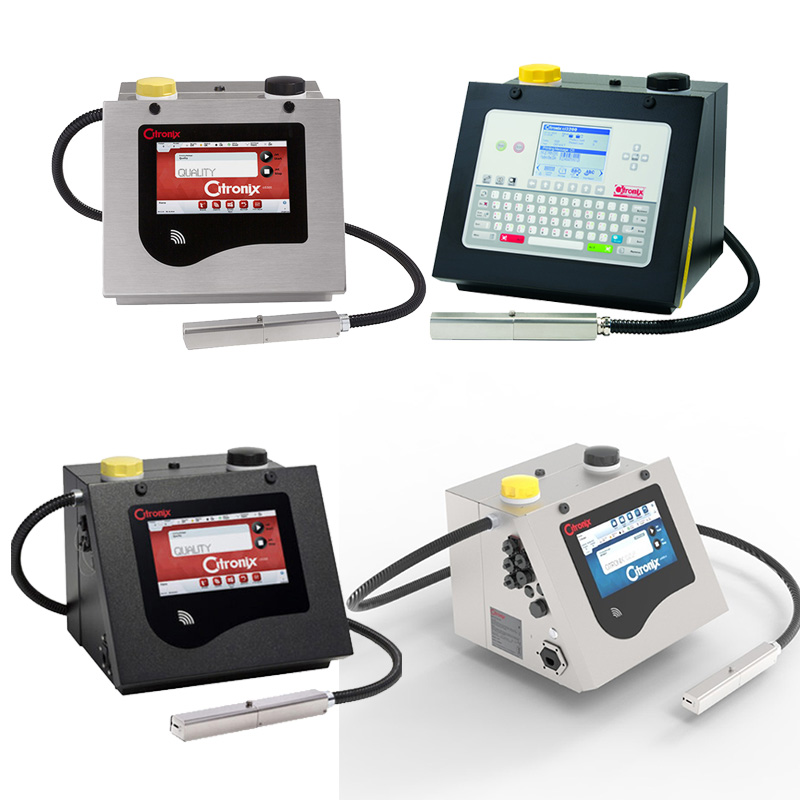
Precision Variable Data Printing with Thermal Transfer Overprinters
How TTO’s ribbon-based heat-transfer mechanism ensures consistent barcode and date legibility at line speed
A Thermal Transfer Overprinter (TTO) uses a precision-heated printhead to melt ink from a ribbon directly onto flexible packaging at line speed. With 300 dots per inch (12 dots per millimeter), it delivers high-resolution, instantly solidified codes—enabling sharp, smudge-proof barcodes, lot numbers, and expiration dates on every package. Its near-edge thermal transfer balances heat and pressure with micron-level control, while the floating printhead automatically compensates for material thickness variations. Ribbon lengths up to 1,200 meters reduce changeover frequency, boosting uptime. Unlike fixed hot-stamp or inkjet systems, TTO prints variable data in real time without sacrificing quality—even at speeds up to 40 inches per second. Industry benchmarks confirm that properly configured TTO units achieve first-pass barcode readability rates exceeding 99.9%, outperforming direct thermal and inkjet alternatives where legibility degrades under line-speed conditions or environmental stress.
Case study: Pharmaceutical packaging line achieving >99.98% scan-read rate using thermal transfer overprinter-encoded expiration dates
A 2023 audit of a blister packaging line operated by a leading pharmaceutical manufacturer demonstrated the real-world reliability of thermal transfer overprinters. Running at 350 packs per minute, the line used TTO to encode variable expiration dates and batch-specific 2D barcodes on foil lidding. Over a 90-day period, inline vision systems verified a sustained 99.98% first-pass scan-read rate. This performance reduced manual rework by 40% and cut label waste from misprinted codes by 25%. The manufacturer credited the result to precise ribbon tension control and the high-contrast, solvent-resistant resin-based ink—properties that preserved legibility through sterilization cycles and cold-chain distribution. The project confirmed that TTO technology meets the traceability and durability requirements of Good Manufacturing Practice (GMP) environments without compromising throughput or regulatory compliance.
Durability, Compliance, and Total Cost of Ownership Benefits of Thermal Transfer Overprinters
Superior print durability vs. direct thermal: UV resistance, abrasion tolerance, and regulatory compliance for food and pharma
Thermal transfer overprinting produces physically durable output—unlike direct thermal printing, which relies on a heat-sensitive coating prone to fading from light, heat, or friction. TTO bonds a permanent layer of wax, resin, or hybrid ink to the substrate, delivering proven resistance to UV exposure, moisture, abrasion, and common disinfectants like isopropyl alcohol. For food and pharmaceutical manufacturers, this resilience is not optional—it’s mandated. U.S. FDA 21 CFR Part 11 and the EU Falsified Medicines Directive require variable data (e.g., lot numbers, expiration dates) to remain machine-readable throughout a product’s shelf life and intended use. Direct thermal prints can become illegible within days when exposed to ambient light or routine cleaning; TTO-encoded codes on vaccine vials withstand sterilization, and date codes on frozen food pouches resist condensation and handling without delamination. This consistency safeguards patient safety, supply chain integrity, and brand reputation.
ROI advantage: 32% lower total cost of ownership vs. pre-printed labels over 12 months
Replacing pre-printed labels with digital thermal transfer overprinting delivers measurable operational savings—typically a 32% reduction in total cost of ownership (TCO) within the first year. Pre-printed label programs incur hidden costs: inventory obsolescence (10–15% annually due to artwork changes, regulatory updates, or material expiry), warehouse space, labor-intensive label reconciliation, and line stoppages for changeovers. TTO eliminates these inefficiencies by printing variable data on-demand onto a single blank stock. Operational data shows that eliminating obsolete label waste alone saves mid-sized manufacturers over $50,000 per year. When combined with reduced downtime, fewer manual labeling errors, and lower consumable logistics overhead, the capital investment in TTO is typically recouped within 6–12 months—converting a traditional cost center into a driver of lean, responsive production.
Substrate Versatility Enabled by Thermal Transfer Overprinter Ribbon Technology
Optimizing print adhesion on challenging substrates: flexible films, matte-coated cardboard, and laminated pouches
TTO excels on substrates that challenge other coding technologies. Its thermal printhead applies precisely controlled heat—via microscopic resistors—to melt ribbon ink only where needed, avoiding distortion on heat-sensitive flexible films and ensuring full transfer on low-absorbency matte-coated cardboard. On non-porous laminated pouches, rapid ink cooling prevents smudging and promotes immediate adhesion. This combination of targeted energy delivery and instant solidification enables high-resolution (300 dpi), scannable codes directly integrated into high-speed packaging lines. Operators fine-tune performance by adjusting printhead temperature and line speed—ensuring consistent, compliant output across diverse materials without hardware modification.
Ribbon formulation selection—wax, resin, and hybrid—for substrate compatibility and end-use performance
Ribbon formulation is the decisive factor in print durability and substrate compatibility—not just an interchangeable consumable. Choosing correctly aligns code performance with real-world end-use demands.
| Ribbon Type | Key Properties | Ideal Substrates | Typical Applications |
|---|---|---|---|
| Wax | Cost-effective; moderate smudge resistance | Coated and uncoated paper, matte cardboard | Shipping labels, retail tags, shelf-life dates on dry goods |
| Resin | High durability; excellent chemical, heat, and abrasion resistance | Glossy flexible films (PE, PP, PET), laminated pouches | Pharmaceutical labels, chemical drums, medical device packaging |
| Hybrid (Wax-Resin) | Balanced performance; good durability and print quality on various surfaces | Semi-gloss paper, some synthetic films, vinyl | Food packaging, cold-chain labels, general industrial labeling |
For example, a top-tier resin ribbon is engineered to survive autoclave sterilization and repeated solvent contact—making it essential for sterile medical packaging. Conversely, using resin on porous paper adds unnecessary cost without benefit; wax suffices. Misalignment between ribbon type and substrate is a frequent cause of code failure: wax on glossy film smears instantly, while resin on absorbent paper yields poor contrast. Selecting the right formulation ensures legibility, compliance, and longevity—from production floor to point of care or consumption.
Frequently Asked Questions
What is a Thermal Transfer Overprinter (TTO)?
A Thermal Transfer Overprinter (TTO) is a device used in packaging lines to print high-resolution, durable codes, such as barcodes, lot numbers, and expiration dates, directly onto flexible substrates using a ribbon-based heat-transfer mechanism.
Why is TTO superior to direct thermal and inkjet printing?
TTO offers better durability, higher first-pass scan-read accuracy (over 99.9%), and adaptability for line-speed packaging compared to direct thermal and inkjet systems, which can struggle with legibility under environmental stress or high speeds.
How can TTO benefit pharmaceutical and food manufacturers?
TTO ensures compliance with traceability regulations (such as FDA 21 CFR Part 11), delivers codes resistant to UV exposure and sterilization, reduces label waste, and boosts production efficiency by printing variable data on-demand.
What are the differences between wax, resin, and hybrid ribbons?
Wax ribbons are cost-effective with moderate durability, while resin ribbons offer high chemical, heat, and abrasion resistance. Hybrid ribbons balance performance for diverse substrates, making them suitable for applications like food packaging and cold-chain labeling.
Can TTO work on various substrates?
Yes, TTO is compatible with substrates like flexible films, matte-coated cardboard, and laminated pouches. Adjustments in printhead temperature and ribbon formulation ensure optimized adhesion and compliance.