
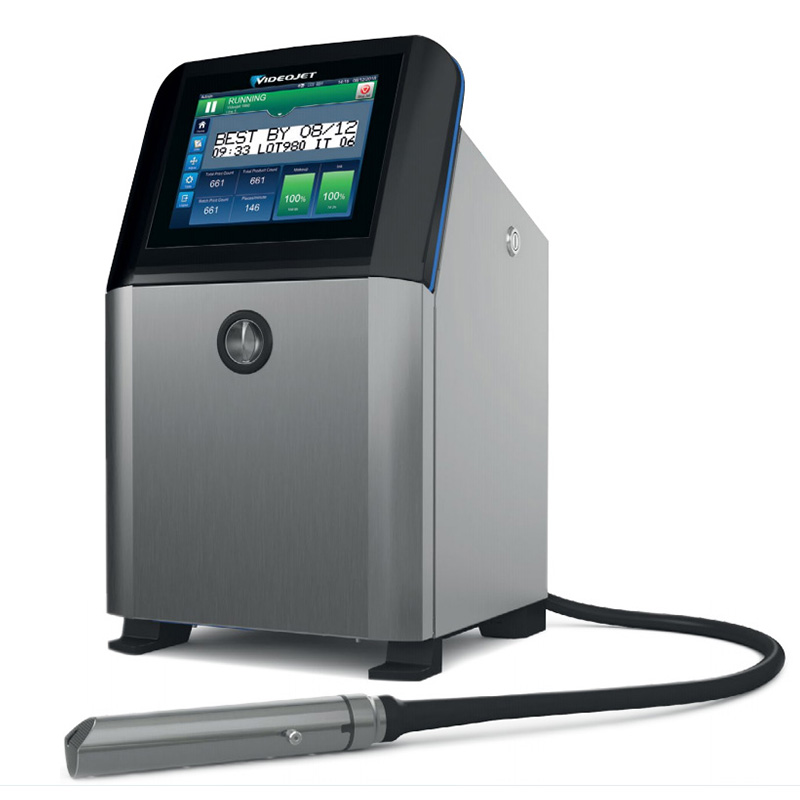
Cum tehnologia imprimantelor cu jet de cerneală continuu asigură codificarea industrială înaltă viteză și fără contact
Principiile de funcționare de bază: cerneală pe bază de solvent, devierea picăturilor încărcate și controlul în timp real al imprimării
Sistemele CIJ permit producătorilor să aplice coduri rapid, fără a atinge produsele, folosind trei componente principale care lucrează împreună. Procesul începe cu înk-urile pe bază de solvent care sunt expulzate într-un jet continuu din duze microscopice. Un cristal special vibrează între 50.000 și 175.000 de ori pe secundă, generând acele mici picături regulate de care avem nevoie. Când acest jet de înk trece pe lângă niște electrozi de încărcare, anumite picături primesc o sarcină electrică. Picăturile încărcate sunt deviate de la traiectoria lor inițială de către plăci cu tensiune ridicată și ajung exact acolo unde trebuie, pe suprafața care trebuie marcată. Toate celelalte picături se reîntorc în rezervorul de înk pentru a fi reutilizate. Ceea ce face ca întreaga configurație să funcționeze atât de bine este capacitatea sa de a se ajusta instantaneu în timpul imprimării pe toate tipurile de suprafețe dificile, chiar și atunci când acestea nu sunt perfect plane sau imobile. De aceea, multe linii de ambalare a produselor alimentare și uzine farmaceutice se bazează în mare măsură pe tehnologia CIJ, în ciuda complexității procesului său de funcționare.
Parametri cheie de performanță: Viteză de imprimare (m/min), Distanță de imprimare (până la 40 mm), Dimensiunea caracterelor (1,5–20 mm) și Rezoluția (până la 128 dpi)
Imprimantele CIJ oferă un debit lider în industrie, cu viteze de imprimare verificate care depășesc 320 m/min – permițând codificarea precisă a cutiilor de băuturi care se deplasează cu peste 21.000 de unități pe minut. Parametrii critici de performanță includ:
- Distanță de proiecție distanță de imprimare: Până la 40 mm, permițând o imprimare stabilă pe substraturi curbe, adâncite sau neregulate, fără contact mecanic.
- Dimensiunea caracterului dimensiunea caracterelor: Reglabilă între 1,5 mm și 20 mm, suportând totul, de la coduri UDI compacte pe seringi până la identificatori de lot mari pe ambalaje din carton ondulat.
-
Rezoluție rezoluția: Până la 128 dpi, asigurând citirea corectă a codurilor GS1 DataMatrix și a barelor liniare, conform cerințelor FDA privind UDI și ale UE privind trasabilitatea (Regulamentul FIC).
Viteza ridicată a picăturilor (≈50 m/s) asigură o aderență puternică pe materiale poroase (de exemplu, cartonul) și neporoase (de exemplu, PET, aluminiu). Circulația integrată a cernelei menține stabilitatea vâscozității și minimizează întreruperile de întreținere – sprijinind o pregătire reală pentru funcționare continuă 24/7 în producția de volum mare.
Integrarea imprimantelor cu jet de cerneală continuu pentru conformitatea cu reglementările și trasabilitatea de la capăt la cap
Îndeplinirea cerințelor FDA 21 CFR Partea 11, UE FIC, standardele GS1 DataMatrix/liniare și ale industriei privind marcarea loturilor/seriilor
Când este vorba de respectarea reglementărilor în domenii precum științele vieții, producția alimentară și industria manufacturieră, tehnologia CIJ strălucește cu adevărat. Aceste sisteme pot marca produsele cu toate tipurile de informații importante, direct la viteza de producție. Gândiți-vă la acele numere de lot rezistente la manipulări neautorizate, la date clare de expirare și la coduri seriale individuale care permit urmărirea produselor de pe linia de producție până pe raftul magazinului. Acest tip de marcare respectă standardele stricte FDA 21 CFR Partea 11 privind înregistrările digitale și semnăturile electronice. În plus, îndeplinește toate cerințele reglementărilor UE privind informarea consumatorilor despre produsele alimentare. Codurile DataMatrix conform standardului GS1 și bare-codurile obișnuite sunt imprimate cu margini netede și un contrast bun în întregime. Am testat aceste coduri în condiții reale și ele au fost scanate cu succes în peste 99,9 % dintre cazuri, atât în depozite, cât și în magazinele cu amănuntul. Această fiabilitate face o mare diferență atunci când produsele trebuie urmărite eficient de-a lungul lanțului de aprovizionare.
Această funcționalitate stă la baza trasabilității de capăt la cap: numerele de serie încorporate leagă produsele fizice de înregistrările digitale, permițând o reacție rapidă în cazul retragerilor și urmărirea completă a pedigree-ului, de la primirea materiilor prime până la punctul de utilizare. În practică, acest lucru înseamnă:
- Produse farmaceutice : Coduri 2D conforme UDI pe corpul seringilor și pe ambalajele tip blister, validate pentru rezistență la sterilizarea cu radiații gamma și cu oxid de etilen.
- Alimente și băuturi : Codificare a datei rezistentă la umiditate pe ambalaje refrigerate, predispuse la condensare – respectând standardele FDA privind siguranța materialelor de contact cu alimentele.
- Bunuri industriale : Coduri de lot rezistente la abraziune și la agenți chimici pe componente metalice sau carcase din polimeri.
Controlul automatizat al formulei cernelei asigură o calitate constantă a imprimării și o lizibilitate ridicată pe întreaga durată de valabilitate a produsului – ajutând producătorii să evite costul mediu de 740.000 USD al unei retrageri de produs (Ponemon Institute, 2023), eliminând în același timp erorile de documentare manuală.
Optimizat pe sector Imprimantă cu jet de ink continuu Aplicații în cadrul diferitelor verticaluri de producție
Alimente și băuturi: Codificare rezistentă la umiditate pentru data de expirare/data până la care este recomandat consumul pe sticle, conserve și ambalaje flexibile
Tehnologia CIJ își arată cu adevărat valoarea în producția alimentară și băuturilor, în special în medii umede, pe linii de producție rapide și pe cele mai diverse tipuri de suprafețe. Enkile pe bază de solvent pe care le utilizăm se usucă aproape instantaneu și nu se smulg nici măcar după expunerea la condens, procesele de curățare sau condițiile de depozitare la rece. Acest lucru înseamnă că codurile de dată și numerele de lot rămân clar vizibile pe orice tip de ambalaj, de la sticle de sticlă și conserve de aluminiu până la acele pungi laminare dificil de imprimat. Deoarece este o metodă de imprimare fără contact, funcționează excelent la viteze extrem de mari — aproximativ 300 de metri pe minut — și prelucrează fără probleme recipiente curbe și materiale flexibile, fără ca piesele mecanice să se uzeze sau să se decaleze în timp. Mulți angajați din producție au observat o reducere de aproximativ o treime a problemelor legate de codurile imprimate, în comparație cu sistemele tradiționale de transfer termic sau laser. Mai puține erori înseamnă o conformitate mai bună cu reglementările privind etichetare și o reducere semnificativă a deșeurilor de produs în întreaga linie de producție.
Farmaceutice și dispozitive medicale: Serializare conform UDI și marcare cu evidențierea manipulării neautorizate pe ambalajele tip blister și seringi
Companiile farmaceutice și producătorii de dispozitive medicale se bazează pe tehnologia de imprimare CIJ atunci când au nevoie de serializare precisă, deoarece nici o altă soluție nu este acceptabilă în ceea ce privește respectarea reglementărilor stricte. Aceste imprimante creează acele coduri 2D DataMatrix mici, dar clare, uneori cu dimensiuni ușor peste un milimetru, direct pe ambalajele tip blister și pe carcasele seringilor. Rezoluția atinge aproximativ 128 dpi, ceea ce corespunde exact cerințelor FDA privind identificarea unică a dispozitivelor (UDI) și cerințelor FMD ale UE. Ce face special acest sistem? Cerneala formează motive care se distrug efectiv în momentul în care cineva încearcă să deschidă ambalajul, astfel încât oricine poate observa la prima vedere dacă produsul a fost manipulat. Și iată un aspect important pentru produsele sterile: aceste cerneluri speciale nu se degradează în timpul etapelor finale de sterilizare, cum ar fi tratamentul cu radiații gamma sau expunerea la gaz oxid de etilenă. Acest lucru înseamnă că produsul rămâne steril, în timp ce toate informațiile sale de urmărire rămân lizibile după finalizarea producției.
Maximizarea timpului de funcționare și reducerea costului total de proprietate pentru imprimantele cu jet de cerneală continuu
Menținerea imprimantelor CIJ în funcțiune fără probleme începe cu întreținerea regulată. Astfel de activități, precum curățarea zilnică a duzelor, înlocuirea filtrelor o dată pe săptămână și efectuarea unor verificări complete de service la fiecare aproximativ 4.000 de ore de funcționare, contribuie la evitarea problemelor frecvente care duc la defecțiuni neașteptate. Atunci când cerneala se usucă sau fluxul este blocat, capetele de imprimare încep să se degradeze rapid. Pentru companiile cu linii de producție agitate, aceste opriri bruște pot afecta semnificativ profitul net. Unele unități pierd peste 5.000 USD pe oră atunci când activitatea este întreruptă din cauza problemelor legate de imprimante, fără a lua în calcul materialele risipite și costurile suplimentare de muncă. Sistemele inteligente de monitorizare fac o diferență semnificativă în acest sens. Măsurătorile în timp real ale presiunii, înregistrarea automată a erorilor și alertele precoce privind necesitatea întreținerii reduc intervențiile de urgență și scad incidentele de nefuncționare cu aproximativ un sfert în majoritatea cazurilor, conform rapoartelor din domeniu.
Conceptul de cost total de proprietate merge mult mai departe decât suma pe care o plătește cineva la casă. Analizând echipamentele pe o perioadă de aproximativ cinci ani, cea mai mare parte a sumelor cheltuite se referă de fapt la consumabile precum cerneala și solvenții, contractele de service, piesele de schimb, facturile de energie electrică și orele de muncă ale tehnicilor. Aceste cheltuieli continue reprezintă în mod obișnuit între 60 și 70% din suma totală cheltuită de companii. Mașinile concepute pentru a economisi energie prin sisteme hidraulice îmbunătățite pot reduce costurile cu electricitatea cu aproximativ 20%. Cernelele speciale, care conțin o cantitate mai mare de pigment, dar au o curgere mai ușoară, permit afacerilor să folosească cu 15–30% mai puțin lichid, păstrând în același timp calitatea ridicată și durabilitatea marcajelor. Echipamentele proiectate cu componente modulare facilitează, de asemenea, remedierea problemelor direct pe teren. Tehnicienii petrec cu aproximativ 40% mai puțin timp în diagnosticarea defecțiunilor atunci când piesele se asamblează ușor, iar depozitele trebuie să stocheze cu aproximativ 35% mai puține piese de rezervă. Combinând toate acestea cu verificări regulate de întreținere și monitorizarea corespunzătoare a costurilor pe întreaga durată de viață a echipamentului, companiile observă adesea o scădere a costurilor anuale de exploatare cu 30–40% pe mașină. Acest tip de economisire face cu adevărat diferența atunci când se evaluează rentabilitatea pe mai mulți ani.