
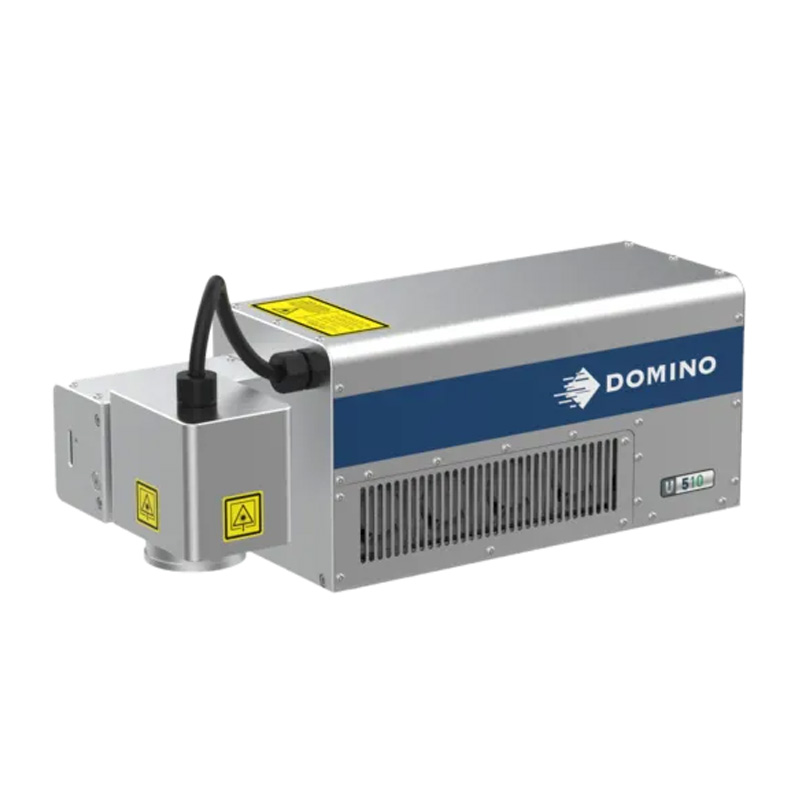
Зашто УВ ласери пружају неупоредиву трајност и прецизност
Отпорност на стрес околине и механике: од излагања хемикалија до абразије
УВ ласери направити трајне обележје изазивањем хемијских промена у материјалима, уместо само гребања површине, што значи да ови обележје боље издржавају све врсте индустријских изазова. Када погледамо како ознаке раде на молекуларном нивоу, то објашњава зашто знакови остају читави чак и након што су изложени тешким хемикалијама као што су растворитељи, горива и јаки производи за чишћење током дугих периода. Традиционални УВ мастилни штампачи не издржу се чак ни толико добро јер се њихова мастила често оцрпљују или се мрљају када се суоче са сличним хемијским стресом. Тестирања су показала да делови обележени УВ ласерима одржавају потпуну читавост преко 500 сати у тестовима са сољним спрејем, нешто што већина алтернативних метода не може да се подудара. Још један велики плус је да нема физичког контакта током процеса обележавања, тако да нема ризика од механичких оштећења које би могле довести до малих пукотина. То чини да траје много дуже кроз редовно руковање, константне вибрације и ударе честица прашине нешто апсолутно неопходно на местима као што је ваздухопловна производња где је поузданост најважна. Фактор издржљивости помаже произвођачима да испуне стандарде као што су ИСО 13485 и АС5649, који захтевају јасне, трајне идентификационе маркере чак и у тешким условима рада.
Резолуција за праћење у регулисаним индустријама (UDI, ISO 13485, AS5649)
УВ ласери могу да производе тачке зрака до око 10 до 20 микрометара, што им даје способности резолуције испод микрона. Овај ниво детаља заиста добро функционише за стварање високог густоће кодних матрица и УДИ ознака на стварима као што су медицински импланти, мали електронски делови и друге миниатурне компоненте које могу бити мање од пола милиметра. Точност омогућава произвођачима да директно обележавају делове, а истовремено чувају преко 99,9 посто баркодова који се могу скенирати током целе производње. Оно што чини ове ласере посебно вредним је њихова техника хладне аблације која не ствара топлоту, тако да нема ризика од искривљења материјала или промене електричних својстава у осетљивим предметима као што су сензори танког пликова или флексибилне плоче. Тестирање које је спроведено убрзаним старењем показује да ове ласерске траге остају потпуно читаве чак и након симулације више од десет година рада. Ово испуњава све услове ФДА за праћење уређаја током целог њиховог живота без утицаја на њихово функционисање у стварним условима.
Предност хладног обележавања: нула топлотних оштећења за осетљиве субстрате
Објашњена фотолитичка аблација: Како 355 nm UV светлости разбије молекуларне везе без топлоте
УВ ласери раде на 355 нанометра и избацују веома енергичне фотоне који могу разбити ковалентне везе кроз нешто што се зове фотолитичка аблација. То је у основи хемијска реакција коју покреће светлост, а не топлота. Сада то упоредите са ласерима од влакана на 1064 nm или ласерима од CO2 који раде на таласним дужинама од 10,600 nm. Ове друге врсте у великој мери зависе од стварања топлоте како би се материјали топили или претворили у угљени остатке. Али са ултравиолетовима ласерима, они успевају да раздвоје молекуле пре него што материјал чак и достигне своју точку топлотне оштећења. Зашто је то било тако? Па, на 355 nm енергија фотона је довољно јака да превазиђе већину јачина органских веза, које су обично изнад 5 електрон вольта. То значи да произвођачи добијају чистије резе и модификације на површинама без бриге о проблемима са топљењем, проблемима оксидације или скривеним топлотним стресима који се скупљају испод.
Реално валидација: ознака без деламинације на полимиду, сензорима од танког филма и покривеним жицама
У производњи медицинских уређаја, УВ ласери су доследно бољи од алтернатива на бази топлоте. Проба валидације показује:
- Нула деламинација на полиимидним флексивним колама након 1.000 динамичких циклуса савијања
- У потпуности нетакнуте ознаке на сензорима са танким филмом од 18 мкм након стерилизације у аутоклаву са пуним циклусом
- Стални алфа-нумерички кодови на ваздухопловним жицама премазеним полиуретаном које преживљавају строгу изложеност саљним спрејем
Промишљска студија валидације 2023. године потврдила је 100% задржавање адхезије у протоколима хемијске изложености који су премашили захтеве ИСО 13485 који јачају УВ ласерску ознаку као мерило поузданости на осетљивим, вишеслојним материјалима.
УВ ласер против влакна и ЦО2 ласера: прави избор за материјале и потребе у складу
Важна је таласна дужина: Зашто 355 нм омогућава високе контрастне ознаке на рефлективном, транспарентном и топлотно осетљивом материјалу
На 355 нм, видимо нешто посебно што се дешава са високим контрастним ознакама који не зависе од топлоте на свим врстама различитих материјала. Кратка таласна дужина заиста се прихвата на те сложне површине као што су сјајни метали, прозрачна пластика као што су поликарбонат и акрилни плочи, плус деликатни филмови који би се растопили под другим ласерским третманима. Традиционални ласери од влакана одскачу од стаклених или супер глатких завршних делова док CO2 опције имају тенденцију да спаљују или искриве танке слојеве. У ствари, УВ ласери се појављују изнад своје тежине стварајући око 30 одсто боље знаке видљивости на материјалима као што су анодисани алуминијум и поликарбонат без потребе за додатним хемикалијама или чековима чишћења. Индустрије које се баве строгим прописима у следењу ваздухопловних делова или идентификацији медицинских уређаја сматрају ово посебно вредно јер им требају трајни кодови који остају читави заувек без угрожавања интегритета било ког материјала на коме су штампани.
Читаност преко изолационих боја, укључујући беле, црне и флуоресцентне премазе
УВ ласери су одлични за обележавање свих врста изолационих боја од обичне старе беле до трики црне и чак и тих сјајних флуоресцентних премаза без изазивања проблема као што су избељивање, промене боје или оштећење испод површине. Тене материје се прилично добро привлаче УВ светлости што чини да се трагови појачавају. Беле и флуоресцентне материје могу много одражавати обичну светлост, али и даље добро узимају УВ ознаке због тога како посебно комуницирају са ултраљубичастим таласним дужинама. Према тестовима који су праћени по стандардима АСТМ Д3359, ове ознаке остају читаве око 99,9% након трљања или зношења. Ласери са влаконцем имају тенденцију да избацују тамне боје изолације, а ласери са ЦО2 могу да чине да светле премазе изгледају жуто или магла током времена, што заиста меша са читавошћу када је најважније у важним апликацијама за жице. Овакав начин поузданог перформанса значи да произвођачи испуњавају захтеве постављене стандардима ИСО 6344 и АС5649, чувајући ствари правилно идентификоване годинама и годинама у високим напонима и другим критичним електричним системима где грешке нису опција.
Кључне индустријске примене: медицински уређаји, електроника и ознака жица и каблова
УВ ласерски системи заиста сјају у три кључне индустрије где трајна, висококвалитетна идентификација мора да траје током година тешких услова. Узмите медицинске уређаје на пример, ови системи стварају трајне УДИ кодове на хируршким инструментима и имплантима који заправо издржавају после безбројних рунда аутоклава, гама стерилизације и суровог хемијског чишћења нешто што обични УВ мастилни траци не могу да се носе према Произвођачи електронике такође требају овај ниво прецизности када обележавају плоче кола и мале чипове без изазивања топлотних оштећења што им омогућава да креирају сигурне серијске бројеве који спречавају фалсификације и прате делове током целог ланца снабдевања. И не заборавите на ваздухопловство и аутомобилску жицу где УВ ласери изрежу издржљиве кодове директно на изолационе јакне чак и оне трики беле или флуоресцентне. Ови кодови остају читави деценијама упркос константним вибрацијама, савијању, контакту са течностима и променљивим температурама које би обично ослабиле друге методе обележавања.
Подела за често постављене питања
Шта су ултравиолетови ласери?
УВ ласери су врста ласерске технологије која користи ултраљубичасто светло да обележи и гравира материјале кроз хемијске промене, нудећи високу прецизност и дуготрајну издржљивост у индустријским апликацијама.
Зашто су УВ ласери пожељнији од традиционалних мастилостручних штампача?
УВ ласери стварају трајне трагове који се издрже суровим притисцима околине као што су хемикалије, вибрације и механички утицаји, док мастила са инкџетом имају тенденцију да се зноје или се мрљају током времена.
Како УВ ласери раде без топлотне штете?
УВ ласери функционишу кроз фотолитичку аблацију, користећи фотоне високе енергије за разбијање молекуларних веза, тако избегавајући оштећења изазвана топлотом типична за друге ласерске технологије.
Шта чини ултравиолетове ласере погодним за медицинске уређаје?
УВ ласери могу да обележавају деликатне материјале као што су медицински импланти кодром Матрице података високе резолуције који остају читави и испуњавају строге стандарде ФДА и ИСО током продуженог живота производа.