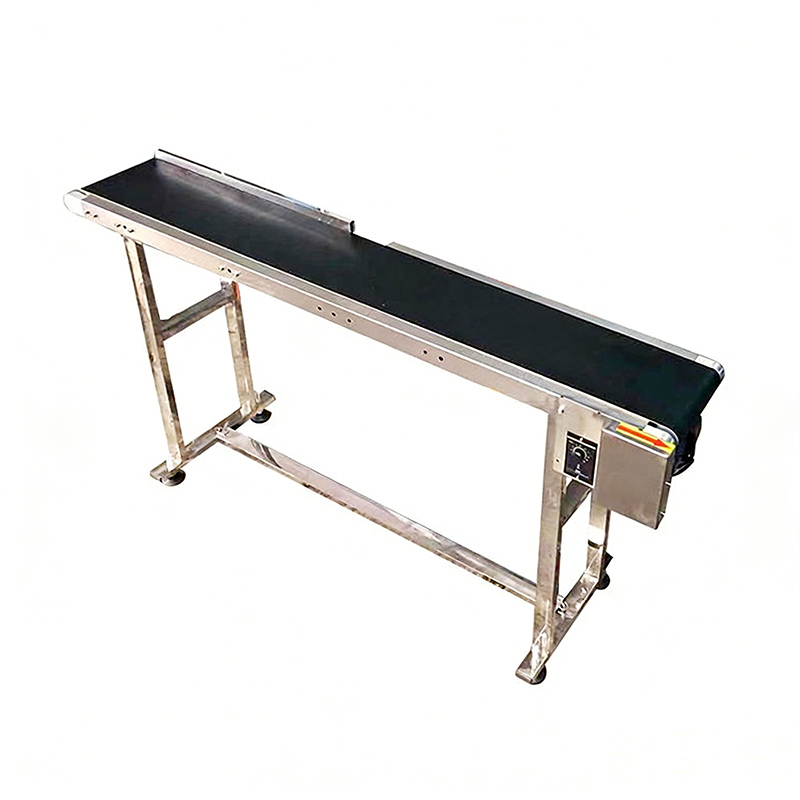
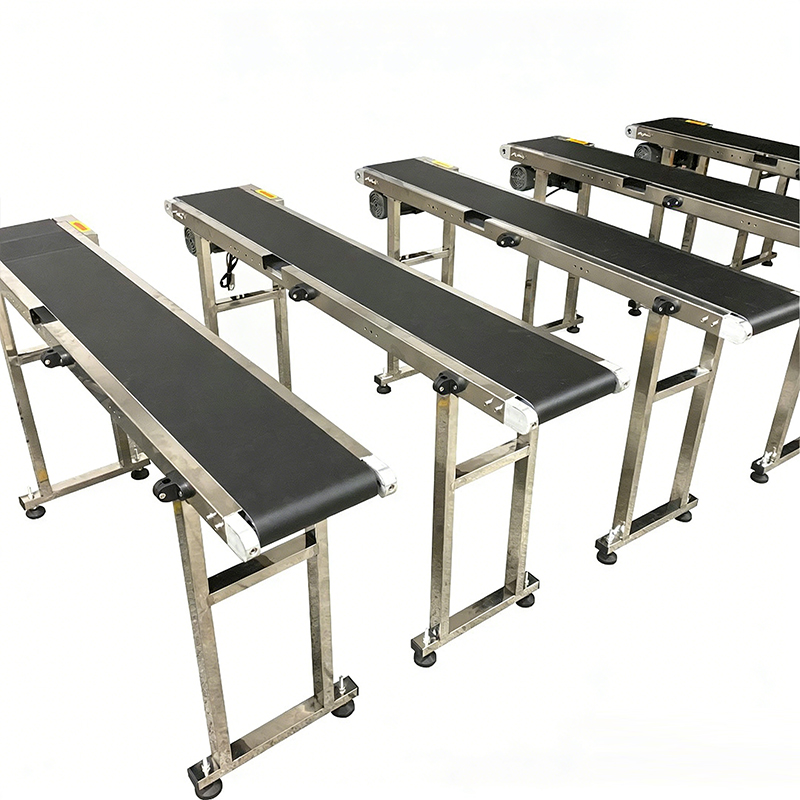
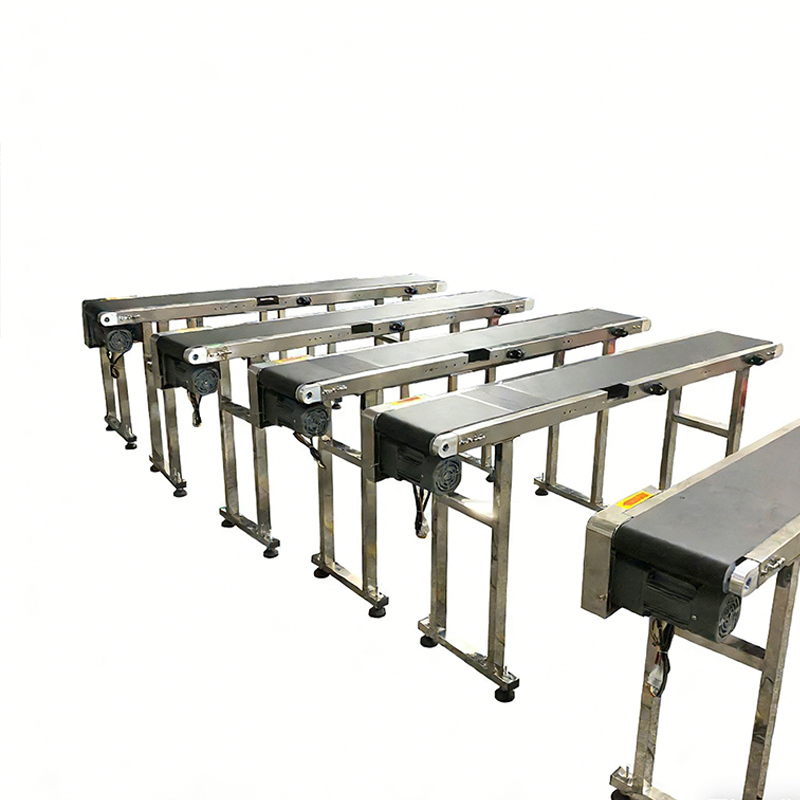
A conveyor belt is one of the most practical and essential components used in various industries and production or packaging lines. It serves as a primary part of material handling systems, designed to transport, move, and transfer different types of products efficiently.
In a conveyor system, the belt acts as a continuous moving loop — functioning like a rotating roll — which moves materials along a fixed path. The belt itself forms the main structure of the conveyor system and enables smooth and controlled motion throughout the process.
How a Conveyor Belt Works
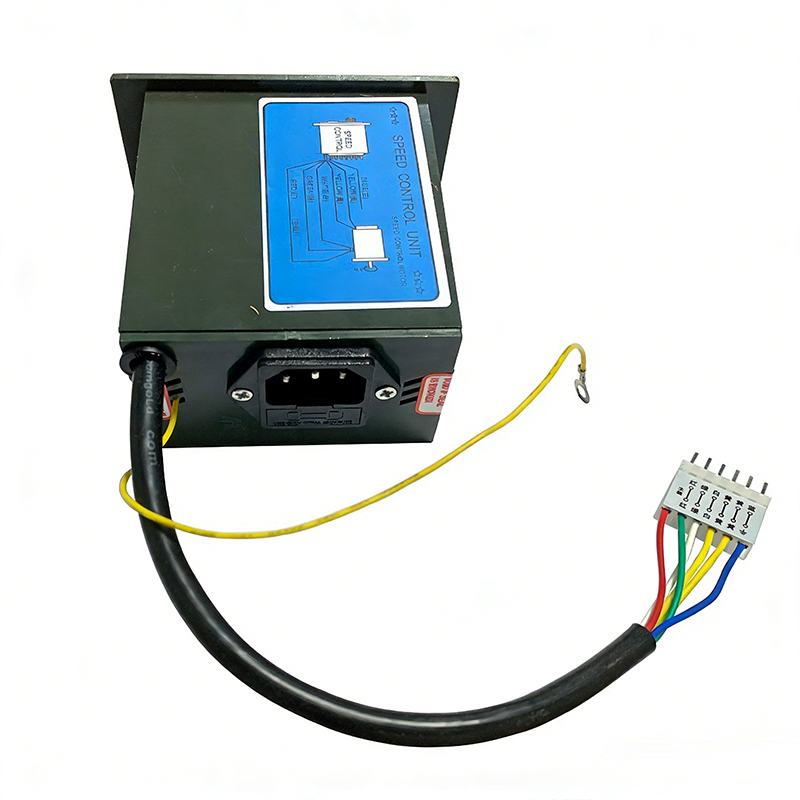
The conveyor belt is the main carrying element in a belt-driven material handling system. It is powered by an electric motor and gearbox, causing the belt to rotate around a fixed axis along a designated route.
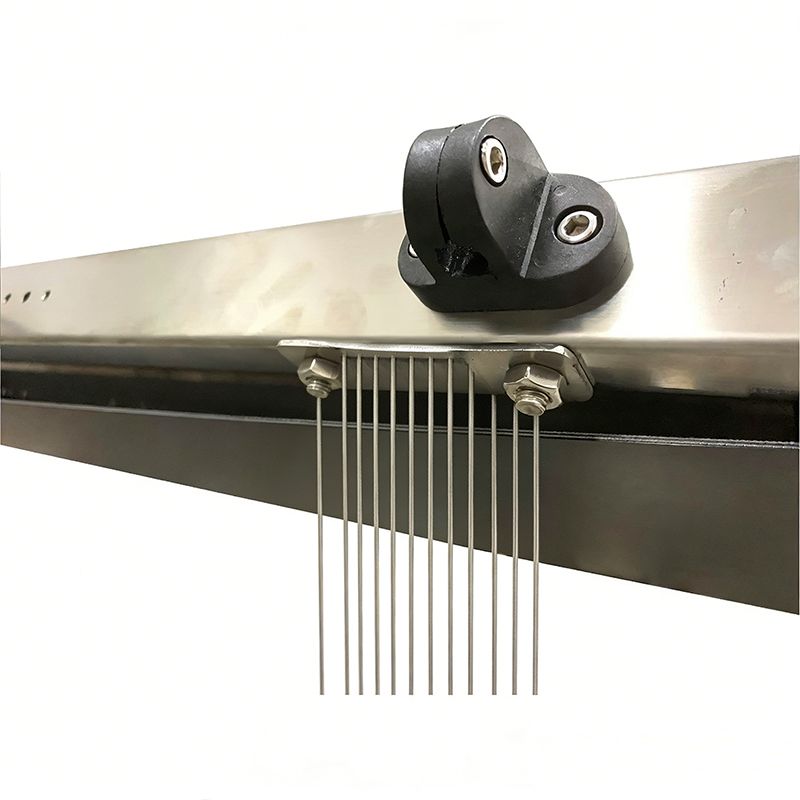
To reduce friction and noise, bearings and pulleys are used throughout the system. Once materials or products are placed on the belt, it carries them from the starting point to the endpoint (and vice versa). Conveyor belts are widely used for loading and unloading operations, ensuring speed, safety, and efficiency in industrial environments.
Conveyor Belt Design and Customization
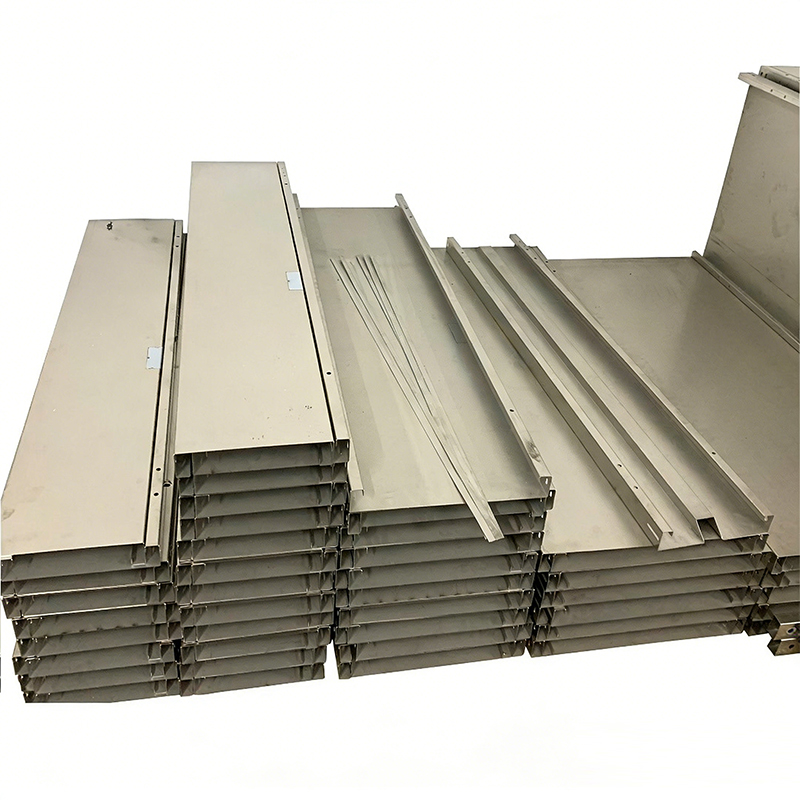
Conveyor belts can be manufactured in various sizes, lengths, and widths depending on the production requirements. Both the belt material and the frame structure can vary — typically made of stainless steel or carbon steel (iron frame) — to suit specific industrial applications and working conditions.
For more inkjet printer accessories, please contact us.
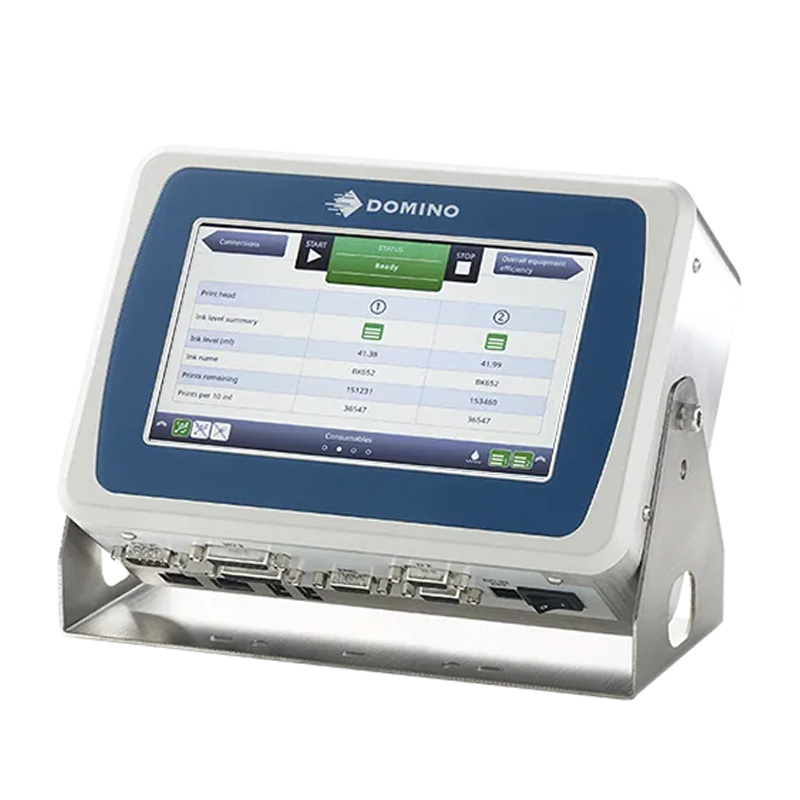
Products Number: Domimo Gx20i Gx30i Gx150i Thermal Inkjet Printers
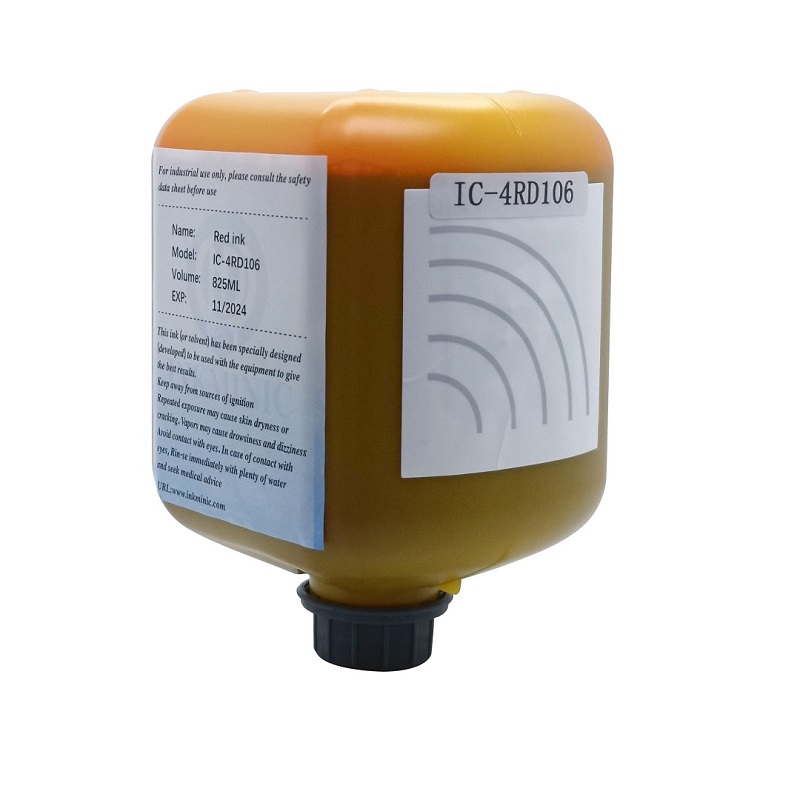
Products Number: Domino Fast Dry Black Ink IC-4RD106
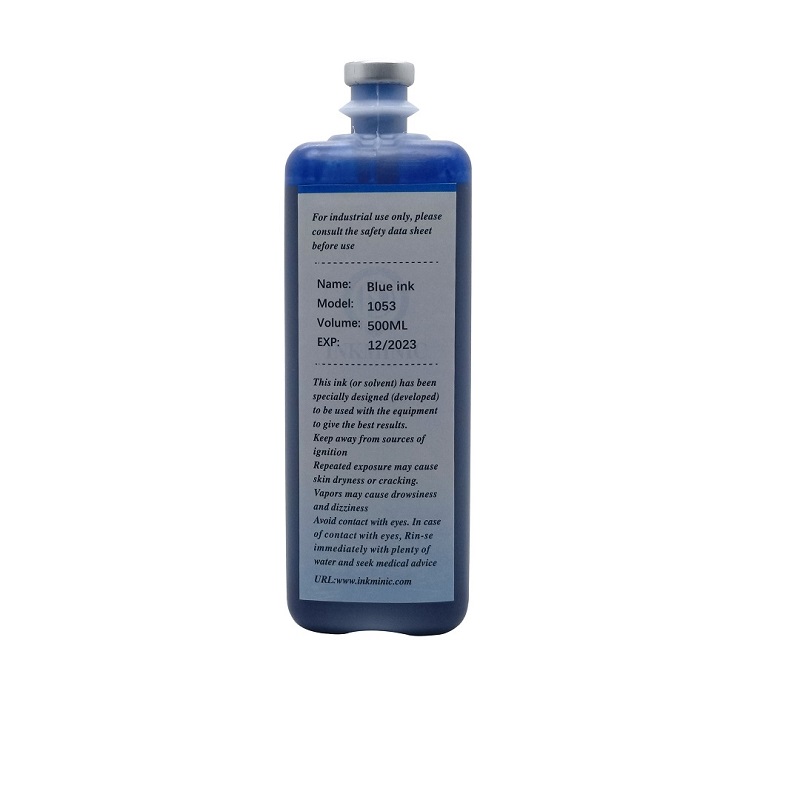
Products Number: SPFAC1053 Inkjet Printer Compatible Dedicated Blue Ink For Linx
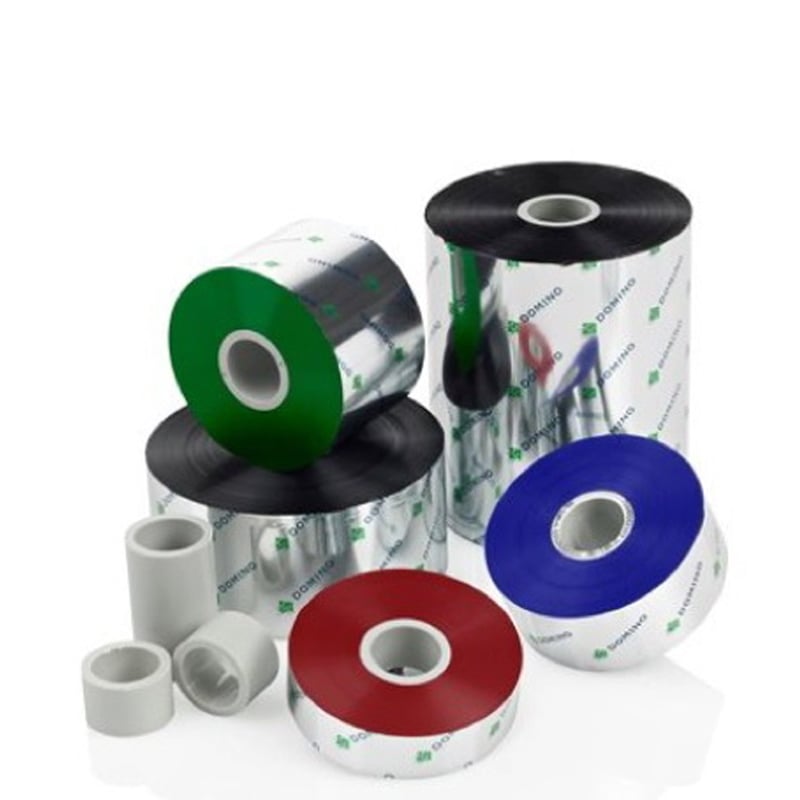
Products Number: Domino thermal transfer ribbon M200039 M-SERIES RIBBON W4 BLACK 80MM BY 450M (BOX OF 10)
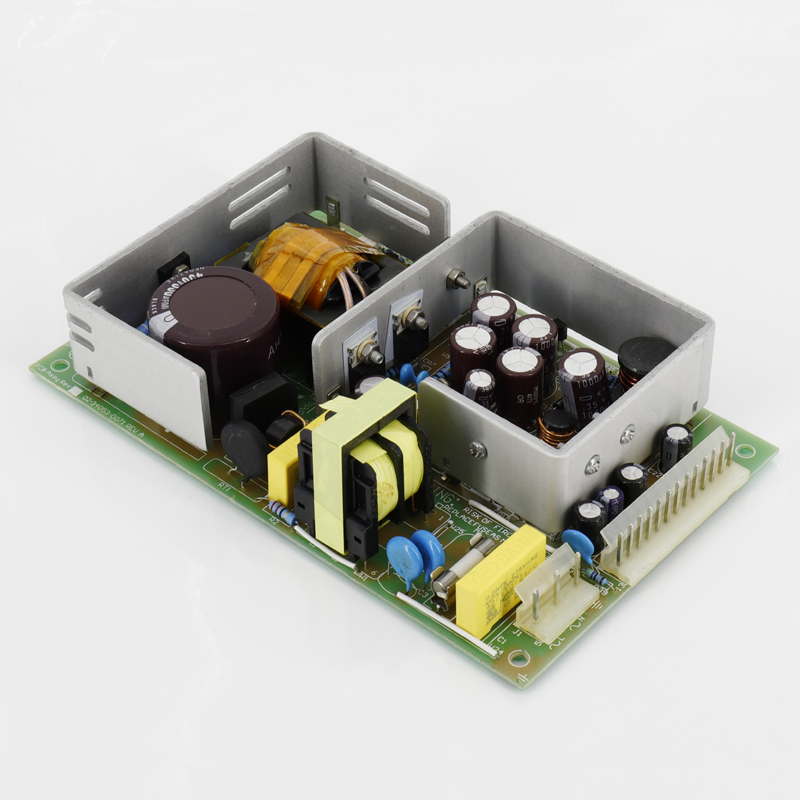
Products Number: Citronix CB004-1029-001 Type C Power Board
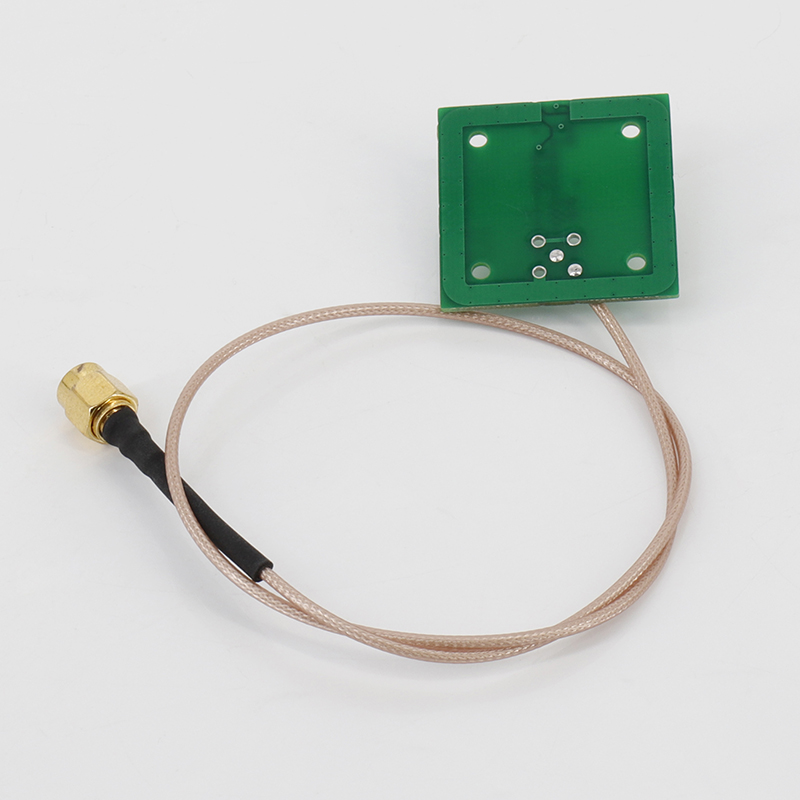
Products Number: Citronix CARD READER FOR 5000 SERIES CB-SEN2439