
Ինչու՞ համագործակցել մասնագիտացված սեղման տպիչի գործարանի հետ ընտրովի նախագծերի համար
Երբ խոսքը ընտրովի տպագրության մասին է, մենք խոսում ենք սովորական տպագրական աշխատանքներից բացառապես տարբեր բանի մասին։ Ամբողջ գործընթացը պահանջում է լրջագույն փորձաքննություն ներկերի քիմիական հատկությունների, տպիչի գլխիկների գործունեության և այն նյութերի վարքագծի մասին, երբ դրանք հպվում են տարբեր մակերեսներին։ Շատ ընդհանուր արտադրողներ պարզապես չունեն այն բոլոր տարրերը, որոնք անհրաժեշտ են քիմիական նյութերի հանդեպ դիմադրության, կենդանի հյուսվածքների հետ համատեղելիության կամ անանցանելի հարթ մակերեսներին ամրապնդվելու համար։ Հենց այստեղ է, որ ներգրավվում են նվիրված inkjet Տպագրիչ գործարանները փայլում են: Նրանք հետազոտություններ են իրականացնում, ինժեներական մշակումներ են կատարում և նույն սարքավորման վրա իրականացնում են արտադրություն: Այս կառուցվածքը զարգացման ժամանակը կրճատում է ավելի արագ, քան ավանդական մատակարարները: Որոշ փորձարկումներ ցույց են տալիս, որ այստեղ ստեղծվում են 30-ից մինչև 50 տոկոսով ավելի արագ պրոտոտիպեր: Եվ այս արագությունը շատ կարևոր է, երբ ստեղծվում են հատուկ ապակներ, ինչպես օրինակ՝ էլեկտրոնային շղթաներում օգտագործվող կամ նշիչներ, որոնք չեն քայքայվում բժշկական ստերիլիզացիայի ընթացքում:
Երբ խոսքը ծախսերի կրճատման մասին է, ամեն ինչ կախված է այն բանից, թե ինչպես ենք վերահսկում գործընթացները: Կաթիլների չափերի կարգավորումը, ճիշտ ջետային հաճախադարձությունը և ցոլման պարամետրերի ճշգրտումը մեծ տարբերություն են կազմում՝ կրճատելով ապականված աղբյուրի քանակն ու էներգիայի խնայողություն ապահովելով: Մենք նաև իրական թվեր ունենք: Ծրագրային արտադրությամբ զբաղվող ընկերությունները, որոնք աշխատում են հատուկ արտադրամասերում, զեկուցում են մոտ 15-20 տոկոս խնայողության՝ համեմատած ստանդարտ սարքավորումների կիրառման դեպքում: Մեկ այլ մեծ առավելություն է ամբողջ գործընթացի ընթացքում մեկ պատասխանատու անձի առկայությունը: Փորձե՛ք մտածել այսպես. երբ մեկ անձ է վերահսկում սկզբնական նախագծային ստուգումներից մինչև զանգվածային արտադրությունը, ապա այլևս չի պետք սպասել տարբեր մատակարարների կամ ստորաբաժանումների միջև: Այս տեսակի անընդհատ կառավարումը պահում է բոլորին համաձայնեցված և ապահովում է այն կարևոր արդյունաբերական ստանդարտների կատարումը: Օրինակ՝ դեղագործական ընկերությունները պետք է հետևեն ISO 15378 կանոններին փաթեթավորման նյութերի համար, իսկ բժշկական սարքավորումների արտադրողները պետք է համապատասխանեն FDA UDI կանոնակարգերին: Գործնականում սա նշանակում է համապատասխան որակի արտադրանքների արտադրում՝ առանց ավելորդ հետաձգումների կամ ավելցուկային ծախսերի և բոլոր կանոնակարգերին համապատասխանելով:
Տրանսակցիոն արդյունաբերական ատրակտի հնարավորություններ՝ CIJ, TIJ և ճշգրիտ փոփոխական տվյալների տպագրություն
Մոդեռն ատրակտի տպիչի գործարան գործառույթները օգտագործում են հատուկ տեխնոլոգիաներ՝ բազմազան արդյունաբերական պահանջները բավարարելու համար: Հիմնարար հնարավորությունները հասկանալը ապահովում է հատուկ արտադրական մարտահրավերների համար օպտիմալ կիրառում:
CIJ և TIJ. Տեխնոլոգիայի համապատասխանեցում կարճ շարքի և բարձր ճկուն արտադրության պահանջներին
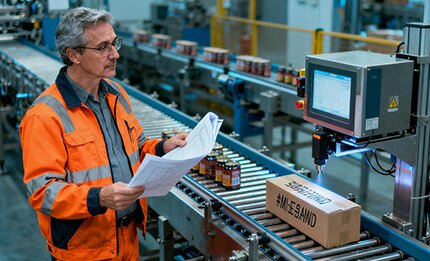
CIJ համակարգերը շատ լավ են աշխատում, երբ ամբողջ օրը արտադրության միջոցով շատ բան է անցնում: Դրանք կարող են տպել այնպիսի նյութերի վրա, որոնք անգութ են արտադրանքի նկատմամբ, օրինակ՝ մետաղական մակերեսներ, պլաստիկ մասեր, ապակե շիշեր և այլն, մինչև 300 մետր րոպտեկանի արագությամբ: Այս համակարգերի օգտակարության պատճառն այն է, որ դրանք օգտագործում են լուծիչի հիման վրա ստեղծված ներկ, որն անմիջապես չի ցանկանում հեղուկ մնալ կիրառման հետևանքով: Այս հատկանիշն է, որ արտադրողները սիրում են դրանք օգտագործել արտադրանքների վրա անմիջապես տպելու համար ժամկետի ավարտի ամսաթիվը, շարքի համարը և համապատասխանության պիտակները, որոնք շարժվում են շատ արագ փաթեթավորման կոնվեյերային գոտիներով: Մյուս կողմից՝ TIJ տպիչները առաջարկում են այլ բան՝ իրենց հիանալի տպագրական որակով, որն հաճախ գերազանցում է 600 կետ դյույմում: Այս մեքենաներն ունեն փոքր հիմնական մաս և պահանջում են ավելի քիչ սպասարկում համեմատած ավանդական մոդելների հետ: TIJ տեխնոլոգիայի «պլագ ընդ փլեյ» բնույթը դարձնում է այն հատկապես լավ այն գործառնությունների համար, որոնք հաճախ պետք է փոխվեն աշխատանքների միջև: Սա շատ հաճախ տեղի է ունենում այնպիսի վայրերում, ինչպիսին են տեքստիլի դիզայնի ստուդիաները, որտեղ դիզայներները ցանկանում են արագ փորձարկել շատ նմուշներ, կամ այն գործարաններում, որտեղ արտադրվում են էլեկտրոնային բաղադրիչների սահմանափակ քանակներ, որտեղ մանրամասն գրաֆիկան շատ կարևոր է արտադրանքի նույնականացման համար:
| Տեխնոլոգիա | Հանդիպակ | Հստակություն | Լավագույն է համարվում |
|---|---|---|---|
| CIJ | 300 մ/րոպ | Ստանդարտ | Բարձր ծավալով կոշտ փաթեթավորում |
| TIJ | 120 մ/րոպ | 600+ DPI | Կարճ շրջանցման ճշգրիտ марկային նշում |
Դինամիկ աշխատանքային փոխանցում և իրական ժամանակում փոփոխական տվյալների ինտեգրում
Ամենավերջին ատրակային տպող համակարգերը թույլ են տալիս արտադրողներին գրեթե ակնթարթորեն անցնել տարբեր ապրանքների, փաթեթավորման դիզայնների կամ տվյալների տարրերի միջև՝ առանց ցանկացած ֆիզիկական բաղադրիչների կարիք ունենալու: Այս համակարգերը անմիջապես միանում են գոյություն ունեցող ձեռնարկության ռեսուրսների պլանավորման (ERP), արտադրության կատարման համակարգի (MES) և պահեստի կառավարման համակարգի (WMS) հարթակներին: Դրանք կարող են տպել անհատական ապրանքային կոդեր, պիտանիության ժամկետներ, եզակի սերիական համարներ կամ հատուկ հետևողականության նույնականացման տվյալներ՝ արտադրական գծերը դեռևս աշխատելու ընթացքում: Սա հնարավոր է դարձնում տվյալների փոփոխությունների հետ աշխատելու կարողությունը իրական ժամանակում, ինչը դարձել է անհրաժեշտ ընկերությունների համար, որոնք կիրառում են ճիշտ ժամանակին արտադրության մեթոդներ և ցանկանում են առաջարկել հատուկ հարմարեցված տարբերակներ: Այս տեխնոլոգիան հատկապես լավ է աշխատում այն ոլորտներում, ինչպիսիք են դեղագործական արտադրությունը, ավտոմեքենաների մասերի արտադրությունը և գաջետների հավաքածուն, որտեղ շատ կարևոր է հնարավորություն ունենալ հետևել տունկավայրի շղթայի միջոցով յուրաքանչյուր ապրանքին՝ ընդ որում չդադարեցնելով գործընթացի արագությունը:
Իրականացվել է առանց արտաքին հղումների՝ խստիվ հետևելով համապատասխանության կանոններին, որոնք արգելում են չհաստատված աղբյուրների օգտագործումը:
Լայն սուբստրատային համատեղելիություն. Փաթեթավորման թաղանթներից մինչև տեքստիլ և արդյունաբերական բաղադրիչներ
Ժամանակակից արդյունաբերական տպագրությունը գերազանցում է ավանդական թղթային կիրառությունները: Այն ատրակտի տպիչի գործարան մշակում է լուծումներ՝ համապատասխանելով տարբեր նյութերի համար սահմանված խիստ տեխնիկական ստանդարտներին, որոնք թույլատրում են ճշգրիտ և մաշվա resistance դիմադրություն ունեցող նշումներ կատարել մակերեսների վրա՝ սկսած ճկուն փաթեթավորման թաղանթներից մինչև ավիատիզի դասի կոմպոզիտներ:
Ֆունկցիոնալ տպագրություն անջրանցիկ միջավայրերում (պլաստմաս, մետաղ, կոմպոզիտներ)
Ոչ կլանող սուբստրատները, այնպիսիք ինչպիսիք են պոլիէթիլենային թաղանթները, ալյումինե բաղադրիչները և ածխածնային մանրաթելերով ամրացված պոլիմերները, պահանջում են հատուկ մշակված ներկերի բաղադրություն և մակերեսի պատրաստման մեթոդներ: Ֆունկցիոնալ տպագրությունը հնարավորություն է տալիս.
- Կոռոզիայից պաշտպանված լոտի կոդեր մետաղական շարժիչի մասերի վրա
- Սկանավորվող, մաշվա resistance դիմադրություն ունեցող QR կոդեր դեղորայքական բլիստերային տուփերի վրա
- Շղթայական հաղորդական տարրեր պոլիմերային սուբստրատների վրա՝ ճկուն սենսորների համար
ՈՒՖ-հիմնված և ինժեներական լուծիչի վրա հիմնված թուղթերը կայուն կապեր են առաջացնում՝ դիմանալով ստերիլիզացիայի ցիկլերին, արդյունաբերական մաքրմանը և արտաքին ՈՒՖ ազդեցությանը՝ առանց շերտավորման կամ թուլացման:
Դեկորատիվ և կայուն տեքստիլի տպագրություն՝ մոդայի և տեխնիկական գործվածքների համար
Թվային տեքստիլի տպագրությունը միավորում է էսթետիկ ճշգրտությունը ֆունկցիոնալ կայունության հետ: Լուծումների մեջ են ներառվում.
- Բարձր լուծաչափությամբ, գույների ճշգրտությամբ գրաֆիկա՝ բնական թելերի վրա (բամբակ, մետաքս)
- Կոտրվածքի դիմաց կայուն, ձգվողական նախշեր՝ սինթետիկ կատարողական գործվածքների համար
- Հրդեհադիմացկայուն, բարձր հակադրությամբ նշումներ՝ արդյունաբերական աշխատանքային հագուստի և անհատական պաշտպանության միջոցների համար
Պիգմենտային թուղթեր՝ նանո-կապսուլացմամբ կայունացված՝ պահպանելով կուժեղությունն ու կարդացվելիությունը 50-ից ավել արդյունաբերական լվացումից հետո (ISO 105-C06 համաձայն), աջակցելով կայուն, քիչ թափոններ առաջացնող կարճ շարքերի արտադրությանը:
Աղյուսակ՝ Տեխնիկական պահանջները տարբեր հիմքերի համար
| Մատենալի կատեգորիա | Հիմնարար մարտահրավերը | Inkjet լուծում | Կայունության չափանիշ |
|---|---|---|---|
| Պլաստիկ թղթեր | Մանրէների կպչունություն | Պրայմեր + արագ չորացող լուծիչներ | Դիմադրում է շփմանը՝ ավելի քան 4,5 Ն |
| Մետաղական մակերեսներ | Մակերևույթային էներգիա | Էտչինգ նախապատրաստում | Կենդանի է մնում աղի ցրտում 24 ժամ |
| Տեխնիկական տեքստիլ | Խոնավակայունություն | Նանո-ներկատիպի կապսուլացում | ավելի քան 50 լվացում՝ ISO 105-C06 ստանդարտով |
Այս սուբստրատ-անկախ հմտությունը նվազեցնում է հաճախորդի կրկնակի սարքավորման ժամանակը և արագացնում է շուկայում ներկայացման ժամկետը կարգավորվող և բարձր կարողություններ ունեցող ոլորտներում
Բարձրարժեք հատուկ կիրառություններ, որոնք խթանում են անկյունային ամրացման պրինտերների գործարանային փորձի պահանջարկը
Վերահսկվող ոլորտի լուծումներ՝ բժշկական սարքերի համար ՈՒԴԻ նշում և դեղագործական պարտքերի հետևելիություն
FDA-ի եզակի սարքերի նույնացման կանոնները և դեղամիջոցների հետագծելիության պահանջները այլևս չեն սահմանափակվում միայն բացատրելի տպագրությամբ: Իրականում այն, ինչ անհրաժեշտ է, մշտական, ճշգրիտ և փորձարկումներով ճիշտ վավերացված նշանակում է: Արտադրողները մշակել են հատուկ ստենդային տպիչներ, որոնք կարող են նշանակում անմիջապես կատարել բժշկական սարքերի վրա՝ օրինակ, չժանգոտվող պողպատե իմպլանտների, սիլիկոնե կաթետերների և նույնիսկ ապակե ամպուլների վրա: Նշանակումները պետք է մնան կարդացվելի հետագա խիստ մշակման գործընթացներից հետո, ինչպես օրինակ՝ ավտոկլավավորումը կամ էթիլենօքսիդով ստերիլացումը, ինչպես նաև տարիներ շարունակ պահպանվել առանց մաշվելու: Իսկ բլիստերային փաթեթավորման և ապրանքի պիտակների դեպքում ընկերությունները օգտագործում են պիգմենտային մատիտներ, որոնք համապատասխանում են փաթեթավորման նյութերի համար սահմանված ISO 15378 ստանդարտին: Այդ մատիտները դիմացկուն են մաշվելու, քիմիական նյութերի և ֆիզիկական մաշվածության նկատմամբ մշակման ընթացքում: Այս տեսակի հուսալի նշանակումը օգնում է կանխել ապրանքների հետ վերադարձը, քանի որ մատակարարման շղթայի յուրաքանչյուր փուլ դառնում է հետագծելի՝ սկսած ապրանքների գործարանից դուրս գալուց մինչև հիվանդների ստացած վայրը՝ բժշկական հաստատություններում:
Բացահայտվող սահմանագծեր. ԱՄՆ կոդավորում, ճկուն էլեկտրոնիկայի նստեցում և ինտելեկտուալ կոմպոնենտների նույնականացում
Այսօրվա մագնիսական տեխնոլոգիաների աշխարհը դուրս է եկել սովորական տեքստերն ու պատկերները տպելու սահմաններից: Այն այժմ կիրառվում է ֆունկցիոնալ միկրո արտադրության մեջ: Ընկերությունները ճկուն պոլիմերային նյութերի վրա նստեցնում են հաղորդիչ արծաթե նանոմասնիկների թուղթ, որպեսզի ստեղծեն շղթաներ՝ օրինակ՝ կրվող բիոսենսորների և «Ինտերնետ ամենի» եզրային սարքերի համար: Այս մոտեցումը փոխարինում է ավանդական լուսագրաֆիկական մեթոդներին՝ նվազեցնելով կորցված նյութերի քանակը և զգալիորեն արագացնելով մշակման ցիկլերը: Նույն ժամանակ, ուղղակի մասերի նշման համակարգերն օգտագործվում են այդ մեքենայով կարդացվող QR կոդերն ու տվյալների մատրիցային կոդերը տարբեր մակերեսների վրա տեղադրելու համար, ներառյալ խոնավ մետաղական կողպածներ, կոմպոզիտային վահանակներ և նույնիսկ ձուլված մասեր: Այս մշտական նույնականացման նշանները տևում են տասնյակ տարիներ, ինչը շատ կարևոր է այնպիսի արժեքավոր ակտիվների հետևում պահելու համար, ինչպիսիք են ինքնաթիռների տուրբինային թիթեղները կամ էլեկտրական ավտոմեքենաների մարտկոցների փաթեթները: Առաջատար արտադրողները մեծ ներդրումներ են կատարում հատուկ տպիչ գլխիկների, հատուկ UV ցանցման թուղթերի և առաջադեմ շարժման կառավարման համակարգերի մեջ՝ որպեսզի կարողանան հսկել միկրոնային մակարդակի փոքր մանրամասները՝ պահպանելով արտադրության արագությունը, նույնիսկ այն դեպքերում, երբ գործ ունեն բարդ մակերեսների հետ, որոնք կարող են դեֆորմացվել կամ արձագանքել ջերմությանը:
FAQ բաժին
Ինչու՞ պետք է ընկերությունները ընտրեն հատուկ ատրակցիոն ամրագրման գործարանները ընդհանուր արտադրողների փոխարեն:
Հատուկ ատրակցիոն ամրագրման գործարանները առաջարկում են ինտեգրված հետազոտություն, ինժեներական աշխատանք և արտադրություն, որը կրճատում է մշակման ժամանակը և ապահովում բարձր ճշգրտություն հարմարեցված տպագրության կարիքների համար:
Ինչպե՞ս է ատրակցիոն տպագրության մեջ մասնագիտացումը խնայում ծախսեր:
Ճշգրիտ կառավարելով ատրակի կաթիլների չափը, արտանետման հաճախականությունը և հարմարման պարամետրերը՝ հատուկ կայանները վերացնում են կորցրած ռեսուրսները և առաջարկում 15-20% խնայողություն՝ համեմատած ստանդարտ կառույցների հետ:
Ո՞րն են ատրակցիոն տպագրության մեջ օգտագործվող հիմնական տեխնոլոգիաները:
CIJ-ն ու TIJ-ն հիմնական տեխնոլոգիաներն են, որոնք յուրաքանչյուրը հարմար է տարբեր կիրառությունների համար. CIJ-ն՝ բարձր ծավալով, ոչ կլանող նյութերի համար, իսկ TIJ-ն՝ բարձր լուծաչափով, կարճ շարքի ճշգրիտ աշխատանքների համար:
Ինչպե՞ս են ատրակցիոն տպիչները ինտեգրում փոփոխական տվյալների տպագրությունը:
Վերջերս համակարգերը թույլ են տալիս իրական ժամանակում տվյալների ինտեգրում ERP և MES հարթակներից՝ ապահովելով արդյունավետ հետևում և հարմարեցում՝ առանց ֆիզիկական կարգավորումների ուշացման:
Ո՞ր սուբստրատների հետ համատեղելիություն են ապահովում հատուկ արտացքլման տպիչները:
Առաջադեմ արտացքլման տպիչները կարող են աշխատել շատ տարբեր նյութերի հետ, ներառյալ պլաստմասսան, մետաղը, տեքստիլը և կոմպոզիտները, ապահովելով տևական և ճշգրիտ նշումներ, որոնք համապատասխանում են բարձր տեխնիկական ստանդարտներին: