
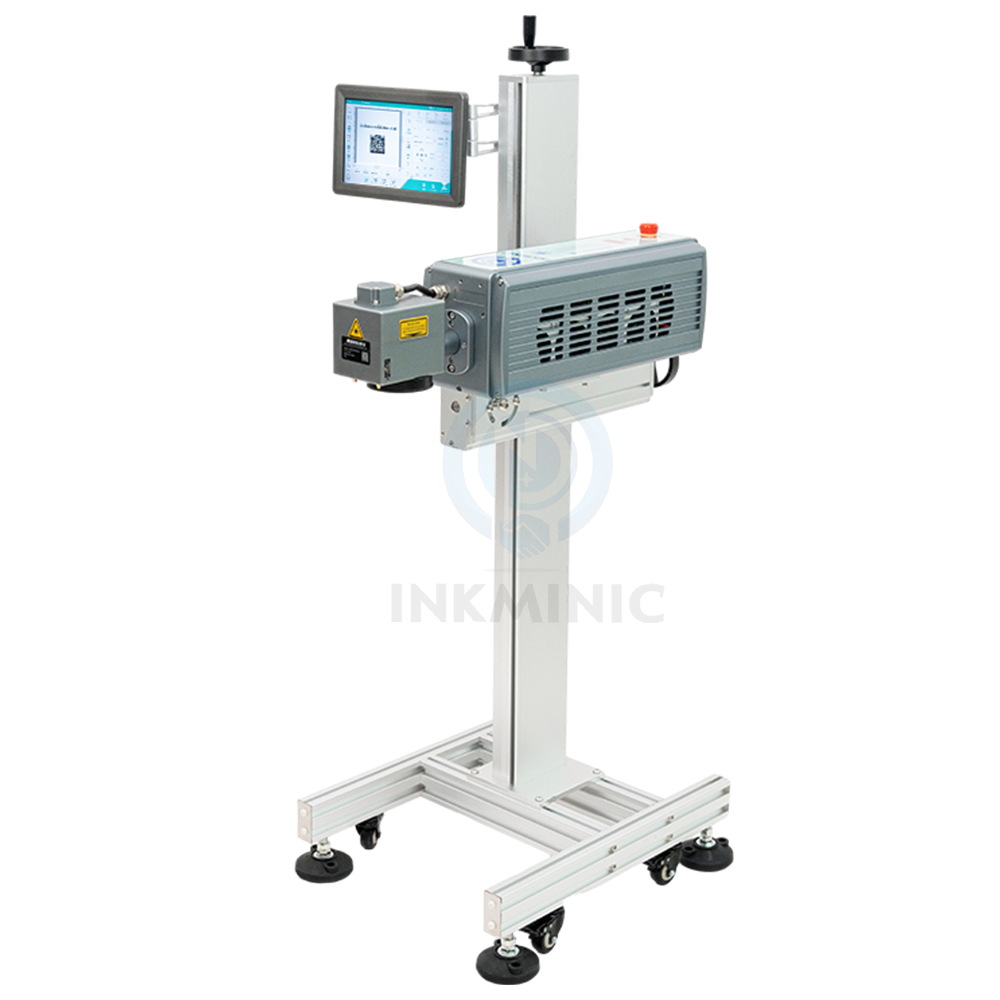
Нисдэг лазерийн тэмдэглэх машинд гарч болох техникийн гэм шид
Лазерын эх үүсвэр, хөргөлтийн систем болон цахилгаан хангамжийн гэм шид
Хамгийн ихэвчлэн гарч болох техникийн гэм шид нисдэг лазерийн тэмдэглэх системүүд гурван үндсэн асуудлаас үүдэлтэй: тогтворгүй лазерын эх үүсвэр, муу хөргөлтийн үзүүлэлт, тэвчээргүй цахилгааны хангамж. Лазерын диод хэт халснаас задардаг болох нь ихэвчлэн туяаны чанарыг таашаагүй өөрчлөгдөх шалтгаан болдог. Тохиромжтой хөргөлт байхгүй тохиолдолд эдгээр машинууд ихэвчлэн дээд хурдаараа ажиллах үед зогсоно. Цахилгааны нөхцөл байдал чухал үүрэг гүйцэтгэдэг. Хэрэв цахилгааны хүчдэл 220 вольтын ±5%-иос доош унахад үнэтэй хяналтын самбарыг гэмтээх боломжтой. Industrial Automation Review-ийн саяхны тайлангийн мэдээгээр цахилгааны хүчдэлийн асуудал нь үйлдвэрийн газруудад тоног төхөөрөмжийн гэмтлийн түвшинг ойролцоогоор 37% -иар нэмэгдүүлдэг гэж гарч ирсэн. Эдгээр асуудлыг зогсоохын тулд техникийн үйлчилгээний баг нь гурван сард нэг удаа лазерын диодыг шалгаж, нэг градус Цельсийн нарийвчлалтай температурын датчик суулгаж, гэнэт цахилгааны сарнилтыг нөхцөлд үргэлж цахилгааны аврах системтэй байх ёстой.
Оптик бүрэлдэхүүн хэсгийн элэгдэл ба бохирдлын нөлөө
Металлын хэсгүүд эсвэл үлдэгдэгч хөргөгч шиг бохирдол линзийн гэрлийн нэвтрэх чадварыг ойролцоогоор 40 хувиар бууруулах бөгөөд энэ нь хөдөлгөөнт хэсгийн тэмдэглэл хийх үед фокусыг алдагдуулдаг. Толинууд их хэмжээний цахилгаан соронзон туяа (UV) -д өртөх үед, бид бүгд сайн мэдэх саран хэлбэрийн зайнууд гарч ирэх бөгөөд ялангуяа гальванометрийн системд 5 метр/секунд болон түүнээс дээш хурдаар ажиллах үед илүү доройтоно. Бодит үйлдвэрийн тоо мэдээллийг судлахад, цэвэр спиртийн тусламжтайгаар хоёр долоо хоног тутам тоног төхөөрөмжөө цэвэрлэдэг хүмүүс эдгээр бохирдолын асуудлын ойролцоогоор гуравны хагасыг урьдчилан сэргийлж чаддаг. Зүйлс муу явж байгааг илтгэх гол шинж тэмдэг нь жигд бус гүнзгий тэмдэглэл, огтлолцсон хэсгийн тойрон дахь гайхалтай гэрлийн тойрог, мөн тэмдэглэх үйл ажиллагааны дээд хурд постепенно багасах зэрэг юм.
Нисдэг лазерын тэмдэглэлийн үйл ажиллагаанд нөлөөлөх программ хангамж, техник хангамжийн асуудлууд
Чангарлын, хурдны ба фокусын тохируулгын тохирохгүй байдал нь тэмдэглэлийн чанарыг жигд бус болгодог
Муу тэмдэглэгдэх үр дүн нь ихэвчлэн тоног төхөөрөмжийн гэмтэл эсвэл оптик тохируулга буруу байхад биш харин буруу цахилгааны тохиргоо, хурдны асуудал, фокусын асуудлаас үүдэлтэй байдаг. Машиныг ямар материал дээр ажиллах, систем доторх зүйлсийн хөдөлгөөний хурд хэр зэрэг байгааг тохируулахад зөв бэлтгээгүй тохиолдолд бидэнд тодорхой бус шиг огт тэмдэглэгдээгүй цэгүүд гарч ирдэг. Зарим салбарын мэдээллийн дагуу эдгээр тэмдэглэлтийн асуудлын ойролцоогоор гуравны хоёр нь машиныг зөв тохируулаагүйгээс үүдэлтэй байдаг (2023 онд Precision Engineering Journal энэ талаар дурдсан). Массаар үйлдвэрлэхээс өмнө операторууд материал лавлагааг сайтар шалгаж, туршилтын ажиллагаа хийх шаардлагатай. Анхаарах чухал зүйлс бол фокусын цэгийг материалын зузаантай нь тааруулах, конвейерийн бэлтгэвэр дээр хөдөлж буй зүйлстэй лазерын пульсыг цаг хугацаанд нь тааруулах, гадаргууний тусгалын түвшинд нь тохируулан цахилгааны түвшинг тохируулах юм.
Программ хангамжийн алдаа ба өндөр хурдны нислэгт тэмдэглэх горимд холбоосын удаан хариу үйлдэл
Хөтөлбүр хөдөлмүр нь тогтворгүй болж, холбооны хоцрогдол үүсэх үед тэр үед өндөр хурдны тэмдэглэлтийн үйлдлүүд жинхэнэ аюулд орж, их хэмжээний саад үүсгэнэ. Хуучин хөтөлбүр нь хурдан чиглэл өөрчлөлтүүдийн үед координатын зөрүүд үүсгэж, үүн дараа бүтээдийн нарийн зураглалыг хүнд хэмжээний хазаймуйгаар хүртэл хувиргаж үлдээдэг. «Industrial Automation Review»-н сүүлийн тайлангаар хөтөлбүр хөдөлмүр нь шинэчлэгдсэн бүх үед байршлын алдаанууд 40% хүртэл бүүр багасмуйгаар хүртэл багасмуйгаар хүртэл багасмуйгаар хүртэл багасмуйгаар хүртэл багасмуйгаар хүртэл багасмуйгаар хүртэл багасмуйгаар хүртэл багасмуйгаар хүртэл багасмуйгаар хүртэл багасмуйгаар хүртэл багасмуйгаар хүртэл багасмуйгаар хүртэл багасмуйгаар хүртэл багасмуйгаар хүртэл багасмуйгаар хүртэл багасмуйгаар хүртэл багасмуйгаар хүртэл багасмуйгаар хүртэл багасмуйгаар хүртэл багасмуйгаар хүртэл багасмуйгаар хүртэл багасмуйгаар хүртэл багасмуйгаар хүртэл багасмуйгаар хүртэл багасмуйгаар хүртэл багасмуйгаар хүртэл багасмуйгаар хүртэл багасмуйгаар хүртэл багасмуйгаар хүртэл багасмуйгаар хүртэл багасмуйгаар хүртэл багасмуйгаар хүртэл багасмуйгаар хүртэл багасмуйгаар хүртэл багасмуйгаар хүртэл багасмуйгаар хүртэл багасмуйгаар хүртэл багасмуйгаар хүртэл багасмуйгаар хүртэл багасмуйгаар хүртэ......
Нисдэг лазерийн тэмдэглэх төхөөрөмжид зориулсан Оптик замын тохируулга ба Динамик фокусын калибрлалт
Цацрагийн тохируулга алдагдсан болон лазер гаралтгүй ажиллагааны явц
Одоогоор ихэнх тэмдэглэлийн асуудлын гол шалтгаан бол зөрүүтэй цацраг юм. Боломжит гэмтлийн ойролцоогоор 47 хувь нь толинуудын байрлал зөрсөн эсвэл өндөр хурдтай ажиллах үед дулааны хазайлт үүссэнээс болдог. Энэ нь юу гэсэн үг вэ? Хэлбэрээ алдсан тэмдэглэл, зарим тохиолдолд тусгайлан нөлөөлөх ёсгүй материалд хүнд гэмтэл учруулах болно. Хэрэв лазер ямар ч гэрэл цацраагүй бол техникчид оптик замыг алхам алхмаар шалгах шаардлагатай. Эхлээд аюулгүй байдлын блоклосон системийг шалгаж, бүх зүйл хангамжийн хүчдэлд зөв холбогдсон эсэхийг дахин шалгана уу. Дараа нь цацрагийн замд саад болох зүйлсийг хайна, энэ нь ихэвчлэн шалгалт хийхийн тулд инфра улаан үзүүр ашиглахыг шаарддаг. Зүйлсийг дахин зөв байрлуулахын тулд толинуудыг ашиглан туршлага, алдааны аргаар ажиллах шаардлагатай. Ихэнх туршлагатай техникчид цацрагийн замын дагуу хоёр тулгуур цэгийг тэмдэглэж, байнгын хөндлөн тэнхлэгийн зөв байрлалыг хадгалахад тусалдаг. Өдөр бүр зогсолтгүй үйлдвэрлэл явуулдаг үйлдвэрүүдэд ийм бүтэцтэй арга хандлага нь үйлдвэрлэлийн зогсонги байдал буюу их зардал гарах асуудлыг багасгахад тусладаг.
Хөдөлгөөнт Тэмдэглэл дэх Z-Тэнхлэгийн Фокусын Хазайлт ба Загварын Дүрсийн Алдагдал
Хөдөлгөөнтэй үед Z-тэнхлэгийн дагуу хазайлт гарвал ихэвчлэн хурд 3G түвшингээс давах үед илүүтэй харагдах цацрагийн ирмэг нь тод бус, эсвэл тэмдэглэлийн гүн нь жигд бус байдаг. Энэ асуудал ихэвчлэн динамик фокусын линзүүд хурдан хөдөлж буй платформтай уялдаа зохицож чадахгүй үед гардаг. Түгээмэл шалтгаануудад энкодерийн асуудал эсвэл хугарлын дэвсгэрт орох хатгуур дээр жил бүр элэгдэл үүсэх зэрэг орно. Засварын ажилд ихэвчлэн долоо хоногт нэг удаа фокусын нөхөлтийн тохиргоог шалгах, мөн гальво тольнууд зөв хариу өгөх эсэхийг шалгах нь хамгийн үр дүнтэй арга болдог. Линзний бүрэлдэхүүнд дулааныг хянах чухал юм. 0.1 мм орчим жижиг фокусын өөрчлөлт ч тэмдэглэх чанарыг маш их муутгаж, зарим тохиолдолд нарийвчлалыг хагаст нь бууруулдаг. Нисэх онгоцны үйлдвэрлэл эсвэл анагаах ухааны тоног төхөөрөмжийн үйлдвэрлэл шиг нарийн нарийвчлал шаарддаг үйлдвэрлэлд бүх зүйлийг зөв тохируулах нь хатуу тусгалын шаардлагыг хангахын тулд сонголт биш, заавал шаардлагатай.
Өндөр хурданд хөдөлгөөнийг удирдах байдлын бүтэн байдал ба цахилгааны тогтвортой байдал
Хурдан нисдэг лазерийн тэмдэглэлтийн үйл ажиллагааны үр дүнг зөвхөн ижил төстэй байлгах хувьд хөдөлгөөний удирдлагыг тогтвортой, цахилгаан системийг найдвартай байлгах нь маш чухал. Нарийн динамик байршилтын тулд өндөр чанартай серво системүүд болон хэт зөрүүгүй байхын тулд тохиромжтой хэлбэлзлийн шингээгчийг ашиглах шаардлагатай. Цахилгаан сорьцооны асуудал нь ихэвчлэн ойролцоох машин тоног төхөөрөмж эсвэл тогтвортой бус цахилгаан хангамжийн улмаас үүдэлдэж, удирдлагын дохиог алдагдуулж, тэмдэглэлүүдийг алдагдуулах эсвэл буруу байрлалд оруулахад хүргэдэг. Үүнийг шийдвэрлэхийн тулд үйлдвэрлэгчид болонгын кабел суурилуулж, тусдаа хэлхээ байгуулж, боломжит газар цохилтын хамгаалалт нэмдэг. Хөдөлгүүрийн бүрэлдэхүүн хэсгүүдийн дулааныг зохицуулах нь урт хугацаанд үйлчилгээний чанарыг хадгалахад тусалдаг. Хөдөлгөөн тогтвортой бус эсвэл цахилгааны чанар муу үед зөвхөн 0.1 мм-ийн байршилтын алдаа шиг жижиг асуудал нь хугацаа өнгөрөх тутамдаа хуримтлагдаж, мянга мянган лазерын тэмдэглэлтэд харагдах дутагдал үүсгэж болзошгүй. Эдгээр бүх хүчин зүйлсийг зөв тохируулах нь лазерийг өдөр бүр хүнд хэцүү үйлдвэрлэл явуулах үед ч микрон түвшинд нарийвчлалтай байлгах боломжийг олгодог.
Түүн дээрх асуулт хариулт
Нисдэг лазерийн тэмдэглэлтийн машинд техник хангамжийн гэмтэл ямар шалтгаантай байдаг вэ?
Техник хангамжийн гэмтэл нь ихэвчлэн тогтвортой бус лазерын эх үүсвэр, муу хөргөлтийн үйл ажиллагаа болон цахилгааны тэжээлийн хэлбэлзэл зэргээс үүдэлтэй бөгөөд энэ нь туяаны чанарыг урьдчилан тодорхойлох боломжгүй болгох, мөн машиныг зогсох шалтгаан болдог.
Бохирдол лазерийн тэмдэглэлтийн тоног төхөөрөмжид хэрхэн нөлөөлөх вэ?
Бохир, бохирдлын улмаас линзээр гэрэл дамжих чадвар буурч, фокусыг муутгаж, жигд бус тэмдэглэлт хийхэд хүргэдэг.
Лазерийн тэмдэглэлтийн чанарыг нөлөөлдөг нийтлэг программ хангамжийн асуудлууд юу вэ?
Тэмдэглэлтийн чанарын өөрчлөлт нь ихэвчлэн чадал, хурд, фокусын тохиргооны зөрүүгээс үүдэлтэй бөгөөд эдгээрийг сайтар тохируулах, туршилтын ажиллагааг явуулах шаардлагатай.
Өндөр хурдны лазерийн тэмдэглэлтэд програм хангамж хэрхэн нөлөөлөх вэ?
Тогтвортой бус програм хангамж болон холбооны саатал нь координатын хазайлт, загварын ивээж гарахад хүргэдэг. Програм хангамжийг шинэчлэх, хөдөлгөөний удирдлагын систем өгөгдлийг үр дүнтэй боловсруулахуйц байхыг хангах замаар эдгээр асуудлыг багасгаж болно.
Лазерийн тэмдэглэлтийн машинд гэрлийн замын тохируулга яагаад чухал вэ?
Тохируулга буруу байвал тэмдэглэгээ муудаж, техникчид илүү үр дүнтэй үйлдвэрлэлийн явцад тольнууд зөв тохируулагдсан эсэхийг хангах шаардлагатай.
Z-тэнхлэгийн фокусын хазайлтаас ямар асуудал гардаг вэ?
Z-тэнхлэгийн фокусын хазайлт нь их хурдатгалын үед ирмэгүүдийг цоорхон болгох, тэмдэглэх гүнийг жигд бус болгох ба энэ нь фокусын компенсацийн тохиргоог тогтмол шалгах шаардлагатай болгодог.