
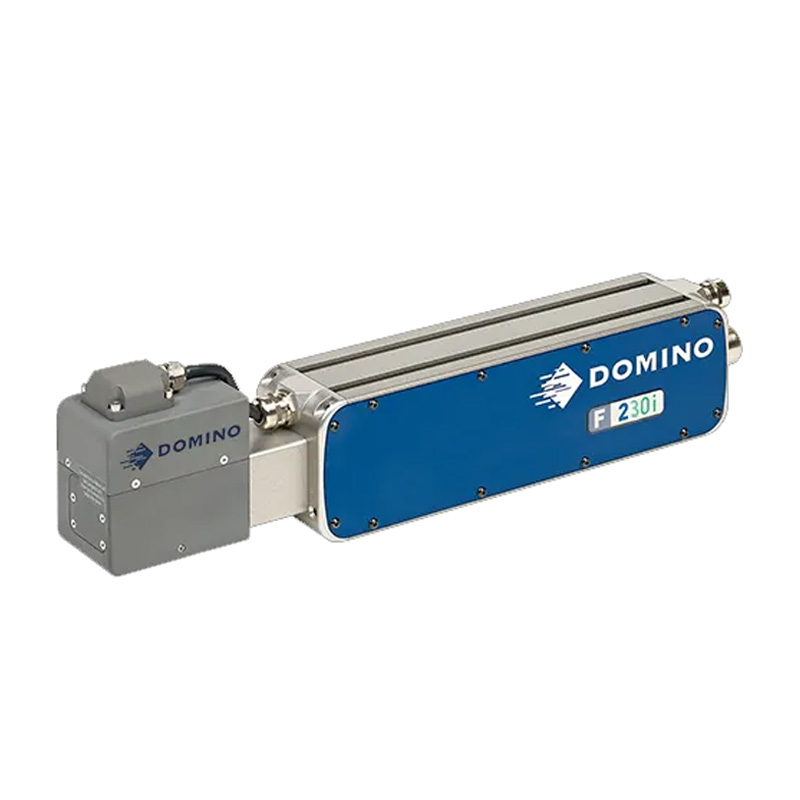
Како ручни ласери са влаконцом постижу прецизност испод 25 мкм на миниатюрној електроници
Основна технологија: Мопа фибер ласерска динамика и стабилност испоруке зрака
У ручни ласери од влаконце достижу невероватан ниво прецизности захваљујући њиховој архитектури MOPA, која је заступ за Мастер Осилатор Повер Амплифитер. Ови системи производе веома стабилне греде са скоро савршеним Гаусовим облицима. Оно што их чини тако посебним је начин на који контролишу трајање пулса, од наносекунди до пикосекунди. Оператори могу прецизно прилагодити испоруку енергије на основу материјала са којима раде, избегавајући нежељене топлотне оштећења деликатних компоненти. За стабилност зрака, произвођачи користе поларизацију једног режима која одржава влакана која чврсто фокусирају зрак. То резултира фокусним тачкама које су понекад мале само 10 микрона. У овим уређајима су такође уграђене инерцијске мерење јединице које помажу да се компензују природни покрети руке и тресање. Плус, оптички пут остаје стабилан чак и када се крећете око због тих кварц заштићених огледала која остају у правцу без обзира на све. Све ово доводи до прилично импресивних резултата са око плус или минус 5 микрона тачности када се ради слободно ручно. Таква прецизност је веома важна када обележавамо мале ствари као што су полупроводнички штампе или RFID ознаке где сваки детаљ рачуна.
Прецизност у стварном свету: калибрација, компензација кретања и контрола фокуса у динамичним окружењима
Да би се ствари одржавале у 25 микронске тачности током производње, потребно је да се стално прилагођавају променама температуре и компензују покрети док се они дешавају. Автоматске леће за подешавање фокуса напорно раде да би одржале праву удаљеност (око плюс или минус 0,1 мм) захваљујући инфрацрвеним сензорима, а жироскопи примећују колико се брзо ствари окрећу тако да можемо исправити када се оператери крећу. Када је реч о обележавању трагова на ПЦБ-овима, ти галванометри за скенирање стижу до резолуције од 0,001 степени док се крећу брзином до 5 метара у секунди. Они се синхронизују са конвејерским тракама кроз повратну информацију кодера. Након што све прође кроз, системи за вид проверују да ли обележавања испуњавају стандарде ИСО/ИЕЦ 15415. Теренска испитивања 2023. године показала су прилично добре резултате - преко 12 хиљада тестираних компоненти имало је око 99,2% повторивих ознака. Све ове модерне технологије осигурају да останемо у складу са захтевима УДИ-а чак и када се бавимо сложеним закривљеним површинама као што су оне које се налазе на медицинским имплантима.
Маркирање материјала ручним ласерима од влакана: метали, пластике и композитни материјали
Металла: Висококонтрастно, без оксидације одгајање на нерђајућем челику и анодисаном алуминијуму
Ласери од влакана у ручном облику омогућавају одгајање метала као што су нерђајући челик и анодисани алуминијум без било каквих проблема окисљења, остављајући трајне трагове који се јасно истичу на металној површини без ослабљења структуре. Када ласер удари у ове материјале, његова специфична таласна дужина ради са површинским својствима метала да би створио трајне црне или шарене слојеве оксида. Оно што је другачије од традиционалних техника обележавања је да није укључен физички контакт, тако да деликатни делови као што су штитови плоча или мали коннектори не пате од топлотних деформација током процеса. За производње, то значи боље могућности праћења кроз ланце снабдевања, а истовремено смањује додатне кораке потребне након почетног производње.
Инжењерске пластике: Контролисана аблација и пеновање на ПЕИ, ПЕЕК и ЛЦП без пуцања или деламинације
Када раде са инжењерским пластиком као што су ПЕИ, ПЕЕК и тешки полимери течних кристала (ЛЦП), ручни ласери од влакана ослањају се на технике модулације импулса микросекунди да би створили контролисан аблациони ефекат или генерисали Шта је било резултат? Кодови Матрице података високе резолуције и јединствени идентификатори (УИД) који не узрокују топлотне оштећење материјала. Ово је заиста важно када се бавите деликатним компонентама као што су субстрати штампаних плоча и мали микро-коннектори где чак и мања излагање топлоти може све уништити. Произвођачи су развили ове напредне библиотеке параметара посебно да би се ствари не пуцале током обраде. Држећи температуру површине испод 150 степени Целзијуса, они осигурају да интегритет пластике остане непокрен, а истовремено постигну прецизне обележавања потребне у модерним производним срединама.
| Материјал | Метода обележавања | Кључна предност | Термички утицај |
|---|---|---|---|
| ПЕЕК | Миграција угљеника | Ознака без хемикалија | < 3 мкм ХАЗ |
| ЛЦП | Микропенирање | Висока контраст рефлектанције | Ништа од ламинирања |
Прецизна ласерска контрола одржава 0,1% толеранцију на критичним карактеристикама као што су флексибилни кругови. Произвођачи електроника ослањају се на ове системе како би испунили услове УДИ-а док спречавају годишње трошкове од 740 хиљада долара од непрочитаних кодова, према студији Института Понемон из 2023. године о пропустима тражебилности.
Безконтактна ознака са ниским ТХД-ом за топлотно осетљиву електронику
Стратегије за смањење ХАЗ: Туннинг трајања импулса (наносекунда до пикосекунда) и оптимизација брзине скенирања
Електроници која су осетљива на топлоту као што су микрочипови, МЕМС сензори и та танкопленосна кола заиста требају методе означења које не укључују контакт јер се могу оштетити изложеношћу топлоти. Ручни ласери са влакнама заправо добро решавају овај проблем јер омогућавају прецизну контролу трајања импулса и паметне технике скенирања. Када оператери пређу са наносекундних на пикосекундне импулсе, смањују топлотну дифузију за око 60 одсто. То значи да енергија остаје фокусирана на ситне тачке уместо да се превише шири. Резултат је да нема деформације супстрата у овим материјалима осетљивим на температуру, укључујући полимере и флексибилне плоче за кола, што је управо оно што произвођачи желе да избегну.
Оптимизација брзине скенирања допуњује контролу импулса:
- Високобрза скенирање (>5 m/s) ограничава време трајања зрака на мање од 0,1 ms
- Преклапање променљивих спота (1090%) спречава кумулативно грејање
- Алгоритми за активно хлађење динамично подешавање параметара током обележавања закривљене површине
Ове стратегије одржавају укупно хармонично искривљење (ТХД) испод 3% док омогућавају трајне, високоверне марке. Трпелна моделирање у реалном времену предвиђа акумулацију топлоте и аутоматски прилагођава параметре када се температуре окружења померају изнад прагова од ±5 °C. Овај приступ двоструке контроле омогућава директну ознаку делова на топлотно осетљивим зглобовима без заштитних џигова или послепроцесног гњекања.
| Параметри | Наносекунди | Диапазон пикосекунди |
|---|---|---|
| Длабина ХАЗ | 1540 мкм | < 5 мкм |
| Максимална брзина скенирања | 3 м/с | 7 м/с |
| Утицај ТХД-а | Умерено (25%) | Минимално (<1,5%) |
Прелазак на пикосекундне импулсе смањује карбонизацију у полиимидним флексним колама за 78% у поређењу са наносекундним системима, док оптимизовани обрасци скенирања елиминишу ризике од деламинације у вишеслојним ПЦБ-овима осигу
Усклађивање стандарда за праћење: УДИ, ГС1 и ИСО/ИЕЦ 15415 У складу са ручним ласерским системима од влаконних влакана
Ручни ласерски системи поможу произвођачима да испуне важне захтеве за тражимост као што су стандарди УДИ, спецификације GS1 баркода и критеријуми за класификацију ISO / IEC 15415 у производњи електронике и медицинских уређаја. Ови компактни алати стварају издржљиве, контрастне ознаке које се издрже кроз вишеструке процесе стерилизације, отпорују хемикалијама и преживљавају хабање без губитка читавости током времена. Када је реч о имплементацији УДИ-а, ови ласери могу да градују мале кодове Матрице података величине око 300х300 микрона на закривљене површине типичне за хируршке алате. Они су стално постигли захтевне контрастне односе ИСО/ИЕЦ 15415 изнад 0,8 ознаке и већина тестирања валидације показује стопе читања које су превазилазе 99,5%. Пошто процес не додирује површину материјала, нема ризика од контаминације осетљиве медицинске опреме. Оператори такође могу да одмах промене КУР кодове у складу са ГС1 чак и на топлотно осетљивим материјалима током производње. Успостављање штампача са млазом мастила и апликатора етикета смањује дугорочне трошкове за око 40% у поређењу са старијим техникама обележавања. Плус, све ово ствара свеобухватне документарне трагове спремне за све регулаторне инспекције које би касније могле доћи.
| Однос за усаглашеност | Перформансе ласера за ручну употребу | Промишлени стандардни праг |
|---|---|---|
| Значење трајности | Преживе 100+ аутоклавских циклуса | ИСО 13485:2016 |
| 2Д кодова Контрастни однос | 0,85 минимум за нерђајући челик | ИСО/ИЕЦ 15415 Б степен |
| Минимална читава величина | 0,3 мм Матрица података о титанијуму | УДИ за ФДА |
| Позициона тачност | ± 25 мкм на закривљеним површинама | Углавне спецификације ГС1 |
Често постављене питања
Како ручни ласери са влаконским ласерима одржавају прецизност?
Ручни ласери са влаконским ласерима одржавају прецизност кроз архитектуру MOPA која нуди стабилне зраке. Они користе напредне технике калибрације и компензације кретања како би осигурали тачност чак и током динамичних операција.
Које материјале ручни ласери могу обележавати без оштећења?
Ручни ласери са влаконом су ефикасни за обележавање метала као што су нерђајући челик и анодисани алуминијум без оксидације, као и неколико пластика укључујући ПЕИ, ПЕЕК и ЛЦП без узроковања пуцања или деламинације.
Да ли су ласери од влаконца погодни за употребу на топлотно осетљивој електроници?
Да, користе технике без контакта и оптимизују трајање пулса и брзину скенирања, што значајно ограничава топлотни утицај и минимизује ризик од оштећења топлотно осетљиве електронике.
Да ли ручни ласери од влакана испуњавају стандарде индустрије за тражимост?
Ручни ласери од влаконних влакана подржавају усаглашеност са важним стандардима као што су УДИ, ГС1 и ИСО/ИЕЦ 15415 обезбеђивањем висококвалитетне ознаке која издржава различите услове, укључујући и процесе стерилизације.