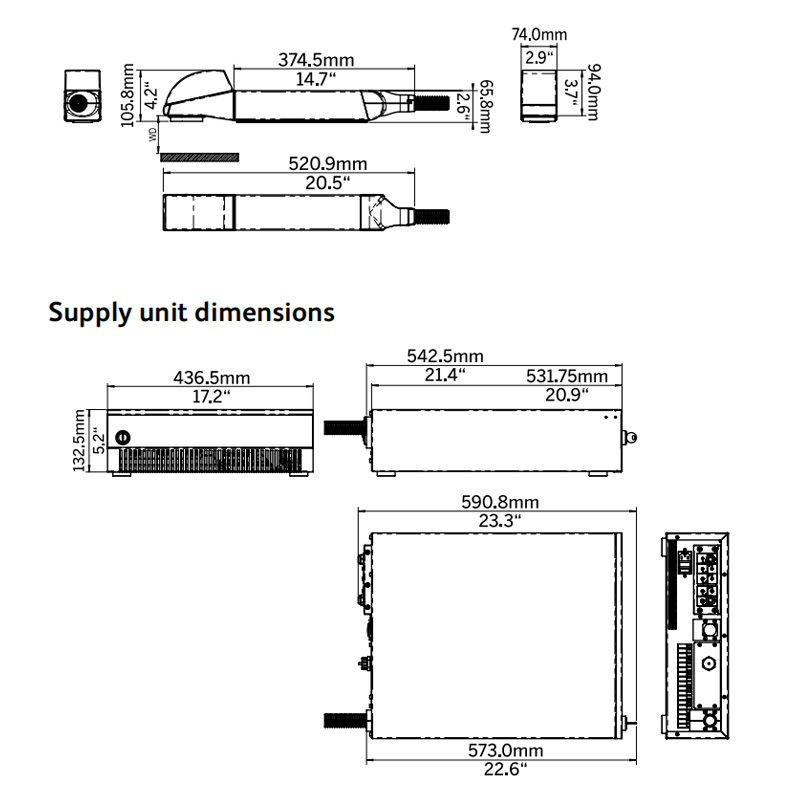
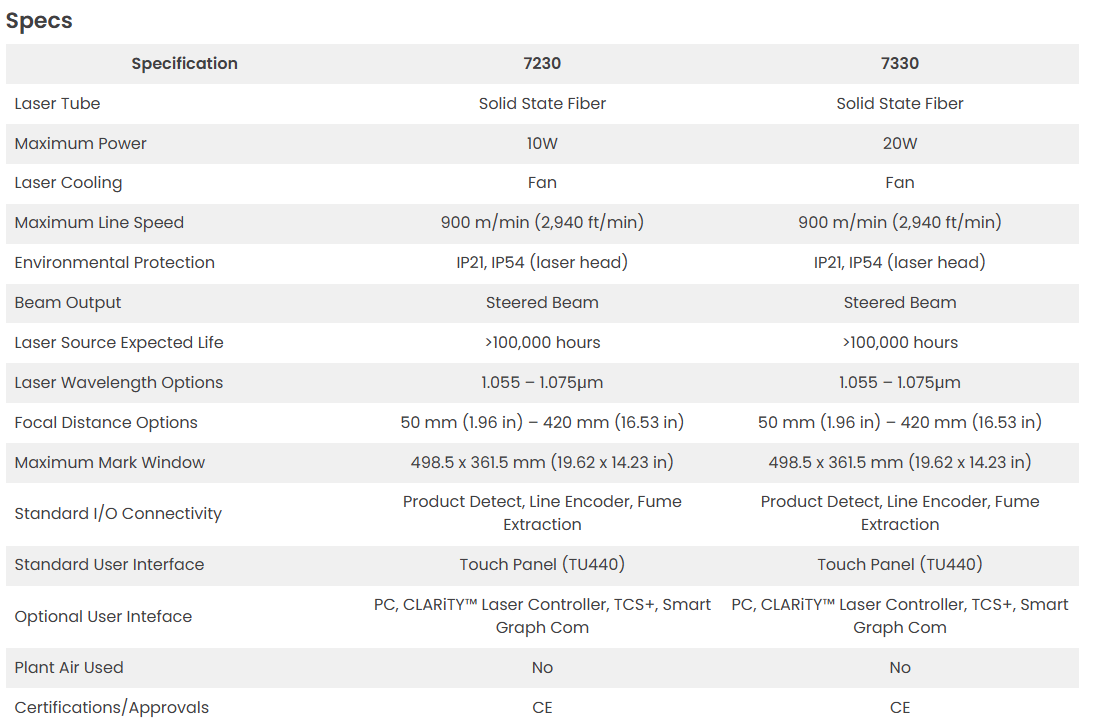
The Videojet 7230 and 7330 Fiber Laser marking systems have been developed to meet the needs of manufacturers who work with robust, high-density materials, and are versatile fiber lasers that offer high-speed marking, with complex data, easy operability and industry-leading integration capabilities.
label:print machin supplier,date coding,printer industrial,best before date printer,use printer.
Videojet 7230 vs. Videojet 7330: Key Differences
While both systems share the same compact, lightweight architecture and advanced integration flexibility, their primary distinction lies in laser power output, which directly influences their application suitability and marking performance.
1. Laser Power & Marking Speed
Videojet 7230: Equipped with a 10-watt fiber laser source, this model is optimized for applications requiring moderate marking speeds on softer metals and plastics. It delivers crisp, permanent codes but operates at a comparatively slower throughput.
Videojet 7330: Featuring a more powerful 20-watt fiber laser, this model effectively doubles the marking capability. It achieves significantly faster marking speeds—up to 2,000 characters per second—making it ideal for high-speed production lines where throughput is critical.
2. Material Compatibility & Depth Capability
Videojet 7230: Best suited for surface-level marking on materials like aluminum, coated metals, and engineered plastics. Its lower power density is ideal for applications where shallow, high-contrast marks are sufficient.
Videojet 7330: The higher wattage enables deeper engraving and annealing capabilities on harder materials such as steel, stainless steel, and titanium. This makes it the preferred choice for applications requiring durable, wear-resistant codes that withstand harsh post-processing or extreme environments.
3. Target Applications
Videojet 7230: Commonly deployed in electronics, consumer goods, and general manufacturing for marking serial numbers, logos, and date codes on components and packaging.
Videojet 7330: Widely used in automotive, aerospace, and heavy machinery industries for permanent part identification, deep engraving, and direct part marking (DPM) that must survive abrasion, chemicals, and high temperatures.
4. Cost & Energy Efficiency
Videojet 7230: Offers a lower initial investment and reduced energy consumption, making it a cost-effective entry point for manufacturers new to fiber laser coding.
Videojet 7330: Commands a higher upfront cost but delivers greater productivity per hour, offering a faster return on investment for high-volume operations where line speed and code durability are paramount.
TIP:Our company is not an official authorized distributor of Videojet. The Videojet trademark used on this website is solely for indicating the product brand. All products sold are genuine original goods with legal sources. Pictures are for reference only.
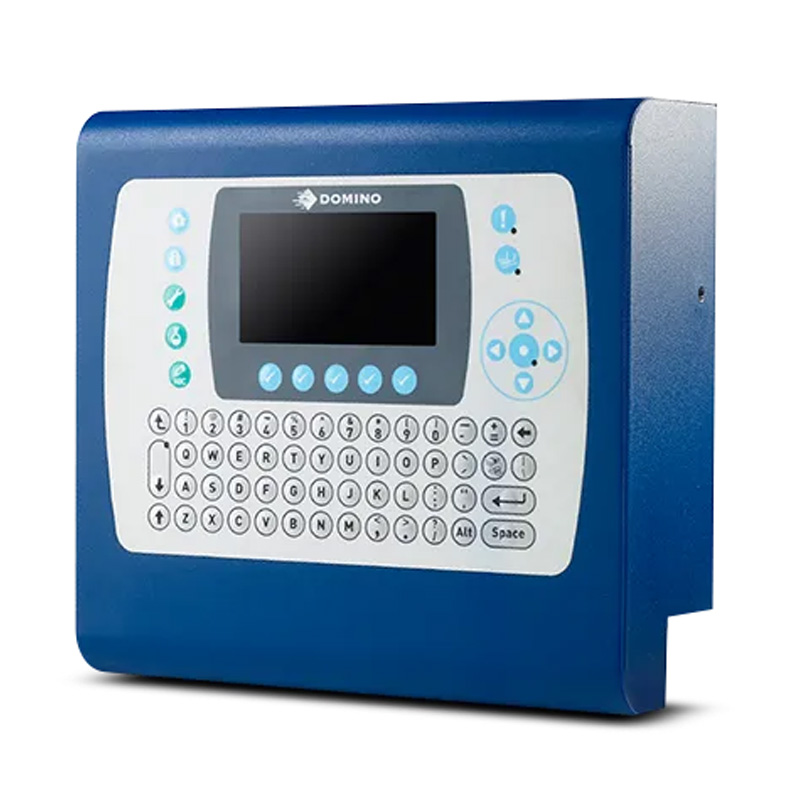
Products Number: Domimo G130i Thermal Inkjet Printers
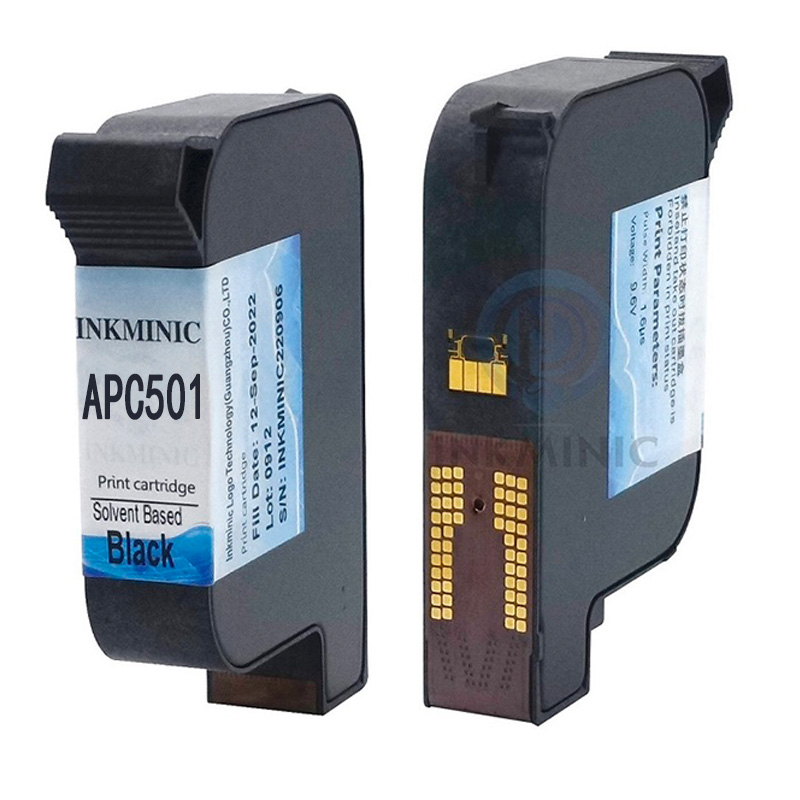
Products Number: Domino ink cartridge APC501
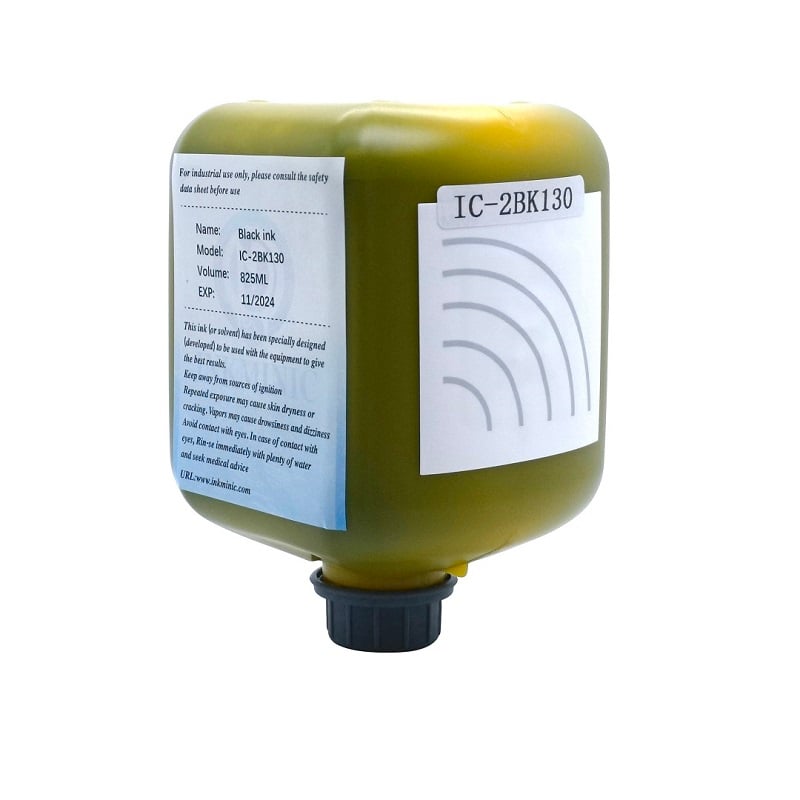
Products Number: Domino Fast Dry Black Ink IC-2BK130
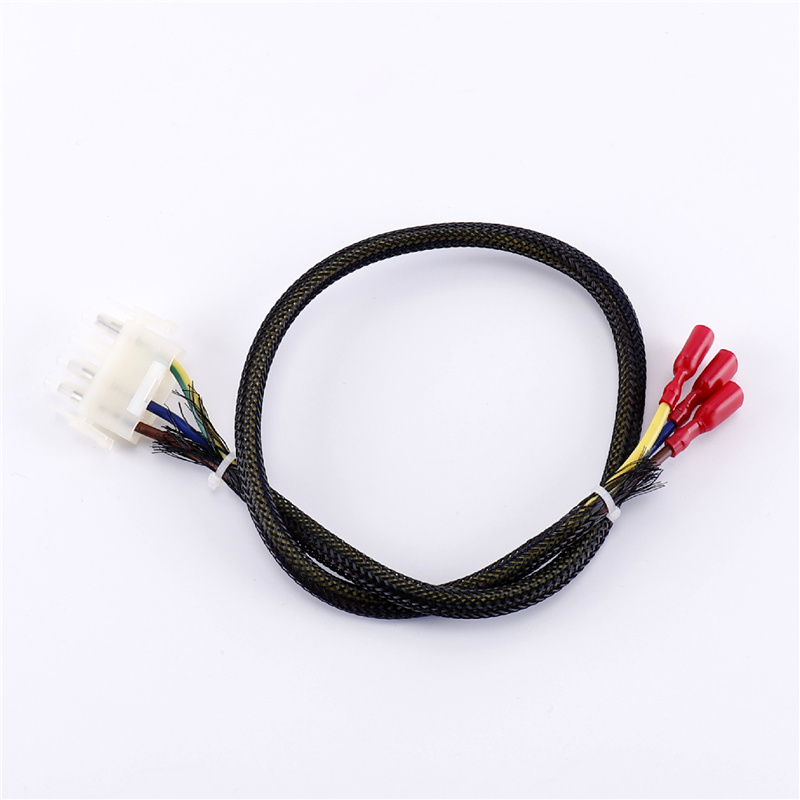
Products Number: Markem-lmaje DM36522-PC1272 E-type 9020 power board input cable
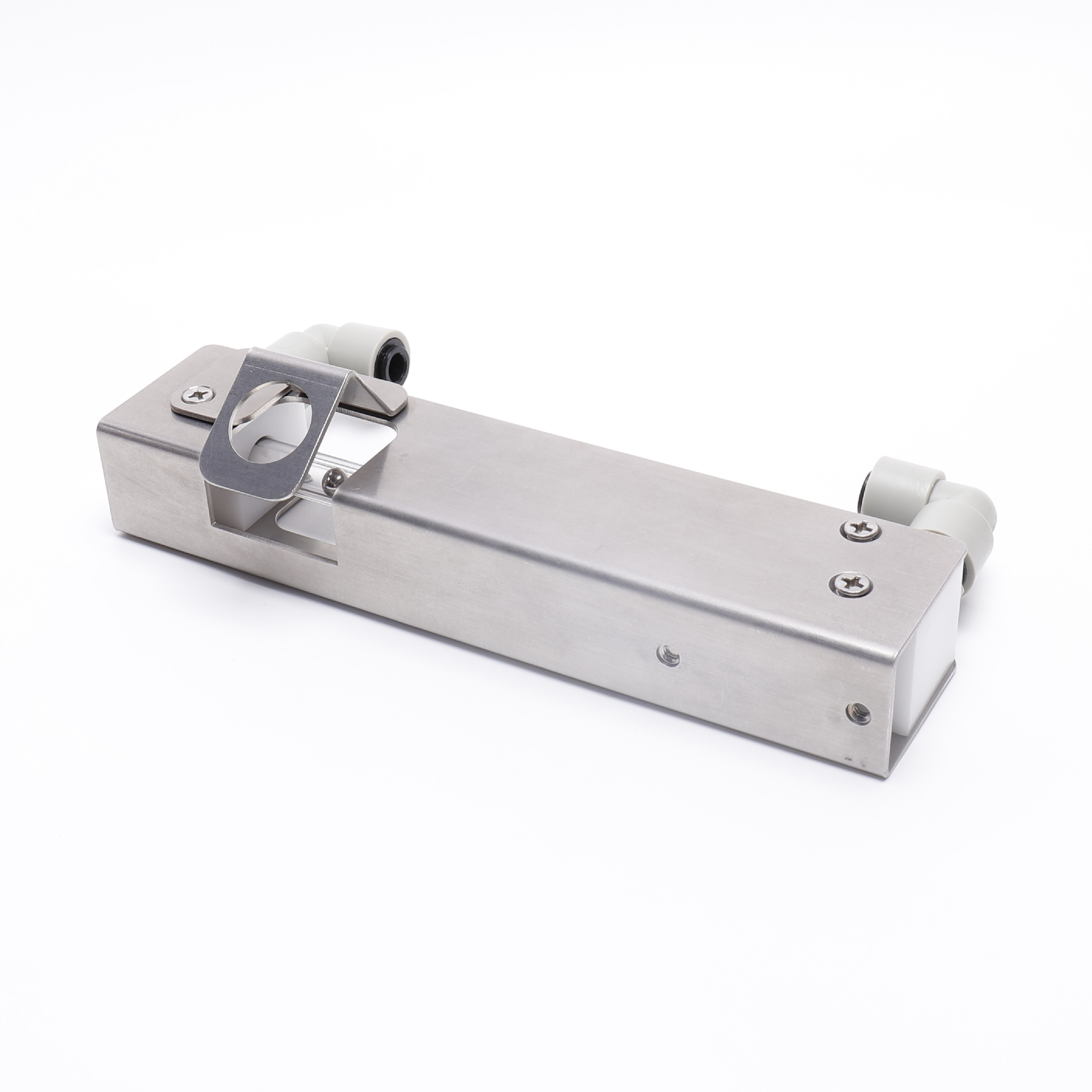
Products Number: Citronix CB003-2054-001 C-type 3000 series viscometer T
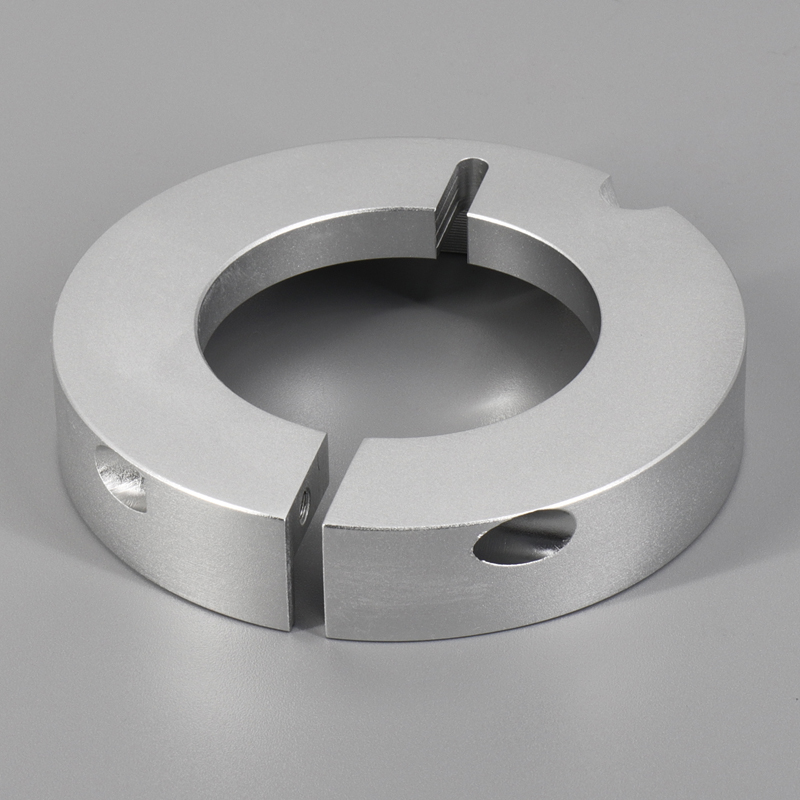
Products Number: Leibinger GB-SYN0609 AGITATOR MOUNTING RING