Understanding OEM and Compatible Printer Ink Cartridge Fundamentals
OEM Printer Ink Cartridge: Precision-Engineered by the Printer Manufacturer
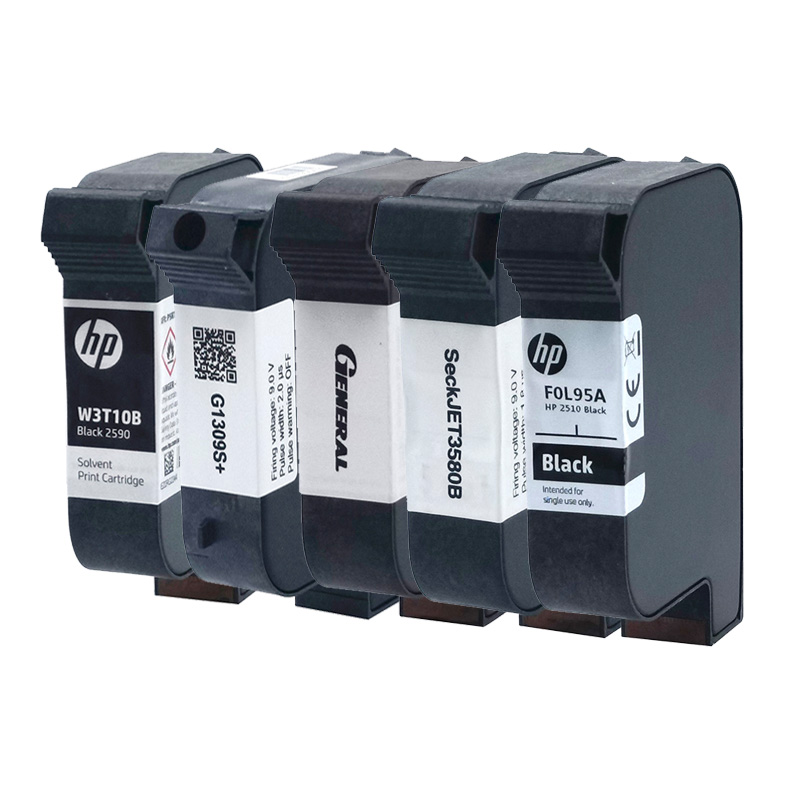
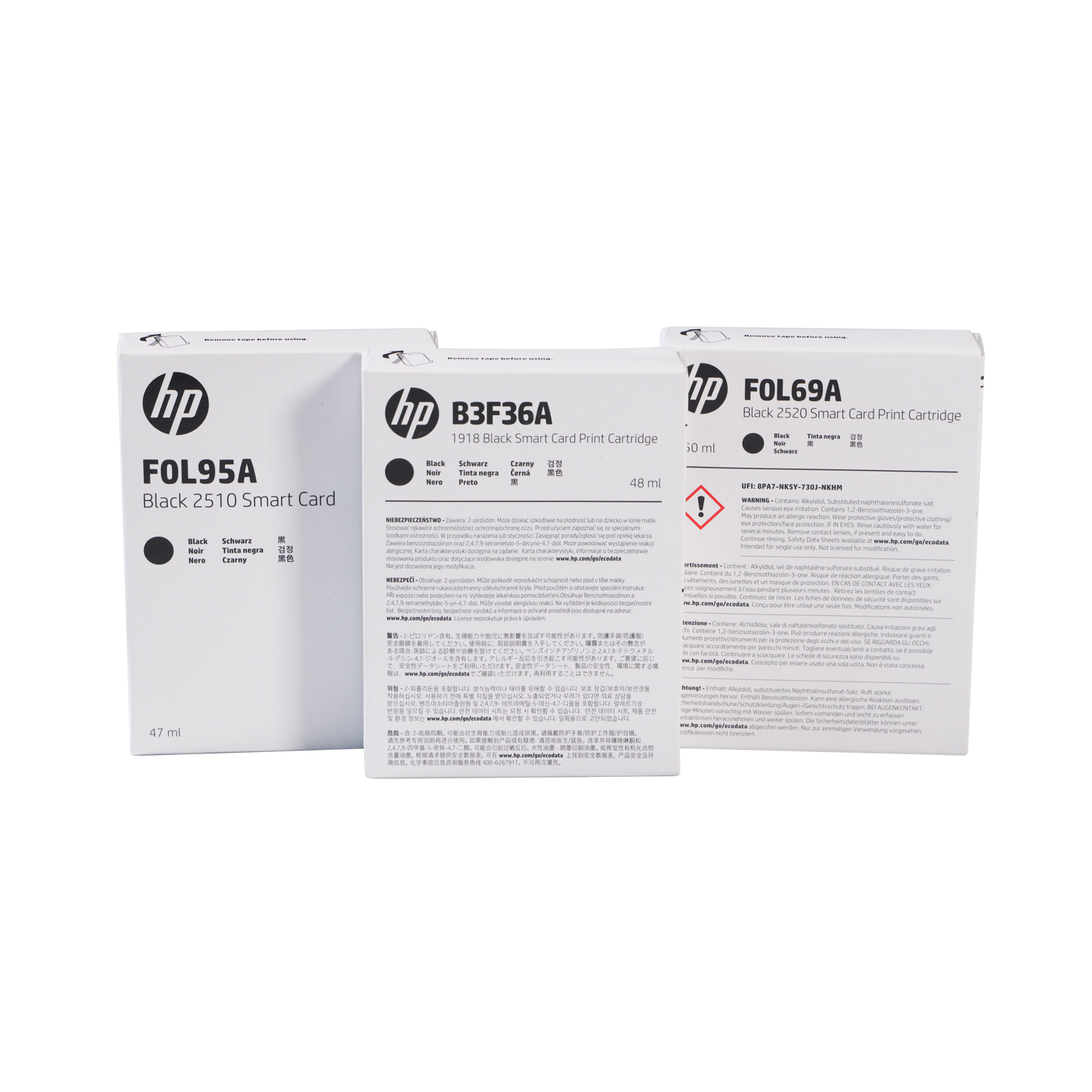
An OEM (Original Equipment Manufacturer) printer ink cartridge is produced by the same company that built your printer. Designed and tested to meet exact mechanical, chemical, and firmware specifications, OEM cartridges feature proprietary ink formulations, nozzle geometry, and smart-chip communication protocols—all optimized to minimize clogging and ensure consistent output. Because the manufacturer controls the full supply chain, OEM units carry the highest price point and are often positioned as the safest choice for warranty compliance. For high-volume offices or archival applications, this precision can reduce reprint waste and support call frequency. However, the premium does not guarantee superior results for everyday text and graphics—many buyers weigh these benefits against cost-effective alternatives before committing to repeat purchases.
Compatible Printer Ink Cartridge: Certified Third-Party Alternatives Built to ISO Standards
A compatible printer ink cartridge is newly manufactured by a third-party supplier—not a refilled OEM shell. It’s engineered from new components to replicate the OEM’s physical fit, electrical interface, and page yield. Reputable compatible cartridges comply with ISO 9001 (quality management) and ISO 14001 (environmental management) standards—and many use reflashable smart chips that emulate the OEM’s authentication sequence. When sourced from certified manufacturers, they deliver comparable page yields and color fidelity at significantly lower prices. Unlike remanufactured cartridges, they avoid contamination risks tied to reused core shells, supporting consistent internal pressure and cleaner nozzle performance. Print buyers often validate quality with a pilot batch before standardizing across fleets.
Total Cost of Ownership: Printer Ink Cartridge Price, Yield, and Hidden Expenses
Per-Page Cost Analysis: Up to 65% Savings with Compatible Printer Ink Cartridge
Total cost of ownership starts with cost per page, not shelf price. Divide cartridge cost by its ISO/IEC 24711-rated yield for an apples-to-apples comparison. Independent 2024 testing found compatible cartridges delivered 30–65% per-page savings across monochrome and color high-volume sets. For example, a pigment black OEM cartridge priced at $45 with a 3,000-page ISO yield costs $0.015 per page; a verified compatible alternative at $19 yields $0.0063 per page—translating to ~$87 saved per 10,000 pages. But these gains hold only when yields are validated against ISO/IEC 24711—not marketing claims. Inconsistent print quality can erase savings through premature replacements or reprints.
Beyond Sticker Price: Warranty Implications, Reprint Waste, and Support Limitations
Low upfront cost is just one variable. While most printer warranties exclude damage caused by non-genuine supplies (2023 service data), real-world risk extends further: banding, color shifts, or smearing increase reprint rates—adding paper, labor, and ink overhead. A 2024 field study observed reprint rates climb from 2% to 11% in high-volume offices using low-tier compatible cartridges. Support limitations compound risk: generic suppliers may lack phone troubleshooting, firmware patches, or overnight replacement logistics. Tracking reprint logs and support response time helps determine whether headline savings survive operational reality. Organizations should assess hard and soft costs over the printer’s full lifecycle—not just initial acquisition.
Print Quality and Reliability: Do Compatible Printer Ink Cartridges Meet Professional Standards?
Lab-Validated Output: Color Accuracy, Fade Resistance, and Grayscale Consistency
Independent lab testing in 2023 showed top-tier compatible cartridges achieving average Delta E color accuracy of 1.8—below the 2.0 threshold where differences become perceptible to most viewers. Accelerated lightfastness testing projected pigment-based compatible inks to last 85–120 years under glass, closely aligning with OEM benchmarks of 90–125 years. Grayscale consistency across a 21-step neutral ramp measured 0.6% mean deviation for leading compatible models—within typical OEM tolerance bands. In blind side-by-side evaluations, participants correctly identified OEM versus compatible output in only 52% of cases. Crucially, fade resistance depends more on ink chemistry and paper selection than cartridge origin. Lower-tier compatibles, however, often exhibit visible green or magenta drift in grayscale prints after 12–18 months. Verified lab reports—not product badges—are the strongest predictor of professional-grade output.
Page Yield Reality Check: ISO/IEC 24711 Testing vs. Marketing Claims
ISO/IEC 24711 defines a standardized five-page test pattern using 5% coverage per color—far less demanding than the 20–30% coverage common in photo documents. A 2024 independent evaluation of 12 cartridge sets found premium compatible units delivered 94% of their declared ISO yield, while budget variants averaged just 68–75%. Marketing claims frequently cite the highest yield among three test units; ISO standards require reporting the lower confidence limit instead. This discrepancy explains why users report 40–60% fewer pages than expected on photo-heavy jobs. A 2023 retail audit revealed 38% of third-party listings omitted ISO/IEC 24711 data entirely. To gauge realistic yield, prioritize cartridges with publicly available ISO/IEC 24711 test reports—not promotional copy.
Compatibility Risks: Firmware Lockouts, Chip Recognition, and Modern Printer Safeguards
Modern printers rely on embedded security chips and firmware validation to monitor ink levels, enforce regional settings, and authenticate supplies. When a compatible cartridge fails to replicate the OEM chip protocol—due to outdated microcontrollers or incomplete reverse engineering—the printer may display “cartridge not recognized,” disable features, or refuse to print altogether. Firmware updates can worsen compatibility: silent patches sometimes invalidate previously functional third-party cartridges, triggering intermittent lockouts, false low-ink warnings, or blocked color management. Physical fit alone is insufficient; modern safeguards compare encrypted identifiers, region codes, and ink-level data streams. To mitigate risk, verify exact printer model and firmware version before purchasing. Prioritize cartridges with reflashable or latest-generation chips and clear compatibility guarantees. Test immediately upon installation, keep a spare OEM cartridge for diagnostics, and delay automatic firmware updates when possible—turning potential failures into manageable compatibility checks.
Mitigating Risk: How to Select a Trusted Compatible Printer Ink Cartridge
Key Vetting Criteria: ISO 9001/14001 Certification, Reflashable Chips, and No-Hassle Returns
Prioritize suppliers holding active ISO 9001 and ISO 14001 certifications—evidence of rigorous quality and environmental controls. Confirm the compatible cartridge uses a reflashable chip capable of adapting to future firmware updates, rather than failing permanently after a patch. Always cross-check the cartridge number against your exact printer model and firmware version. Choose retailers offering no-hassle returns, transparent warranty terms, and responsive technical support. Read verified buyer reviews for patterns of recognition errors or yield shortfalls. Purchase from specialized printer supply vendors—not general marketplace sellers—and favor lines with ISO/IEC 24711 yield disclosures and documented quality testing. These steps preserve the typical 30–65% cost advantage while minimizing operational risk.
FAQs
What does OEM mean in printer ink cartridges?
OEM stands for Original Equipment Manufacturer. These cartridges are made by the same company that manufactured the printer and are designed to meet exact specifications for optimal performance and warranty compliance.
How do compatible printer ink cartridges differ from remanufactured ones?
Compatible cartridges are newly manufactured by third-party suppliers, while remanufactured cartridges are reused OEM shells that have been cleaned and refilled. Compatible cartridges avoid risks like contamination and offer consistency in performance.
Are compatible cartridges safe for my printer?
Yes, when sourced from certified manufacturers and meeting ISO standards, compatible cartridges are generally safe. However, checking printer compatibility and firmware updates is essential to avoid issues like recognition errors.
How can I calculate the cost per page for a printer ink cartridge?
Divide the cartridge cost by its ISO/IEC 24711-rated page yield to calculate the cost per page. Ensure the yield is verified for accurate comparisons.
Can firmware updates impact the use of compatible cartridges?
Yes, updates can sometimes invalidate third-party cartridges. To mitigate risk, use cartridges with reflashable chips and delay automatic firmware updates when possible.