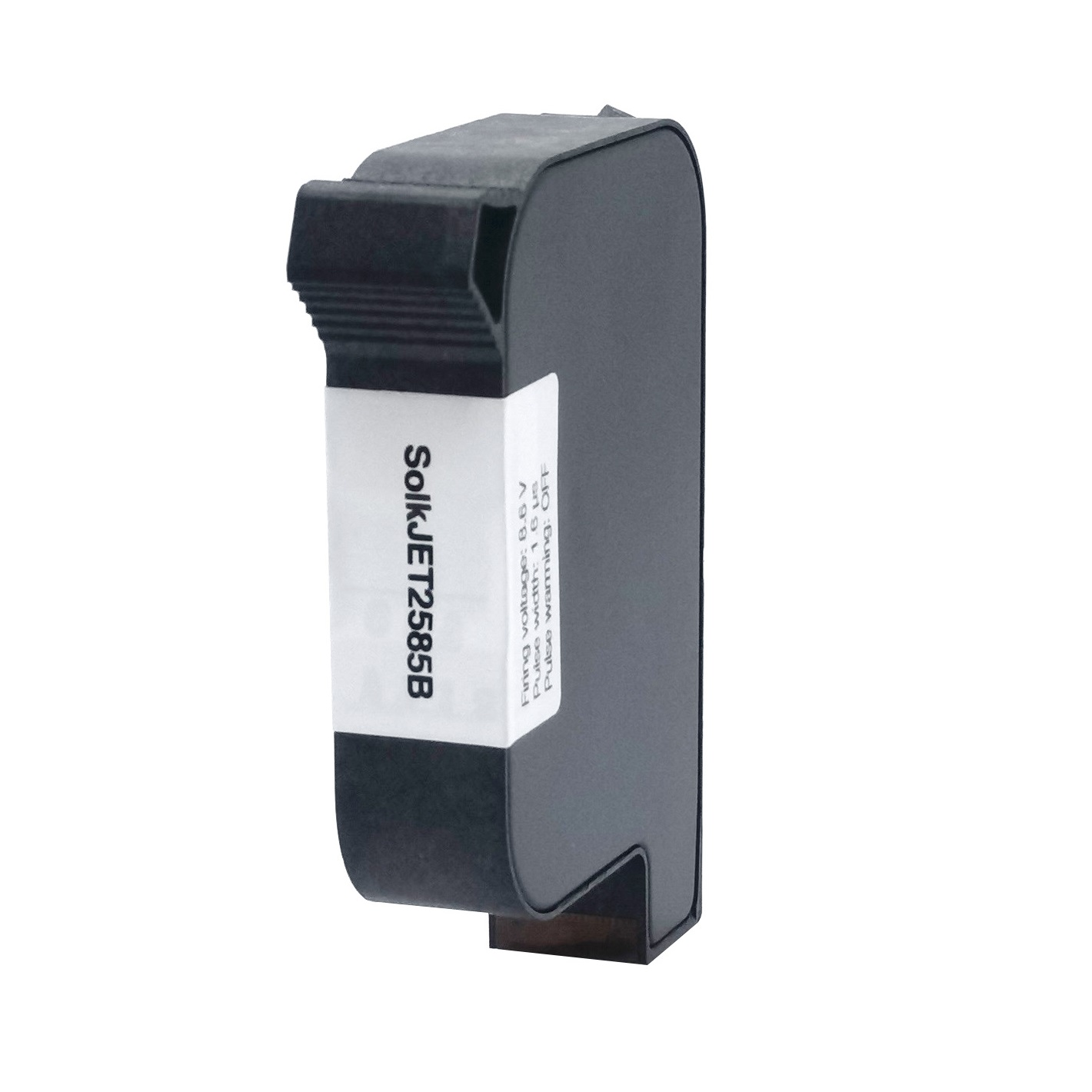
HP Original Ink Cartridge Ensures Consistent, Professional-Quality Output
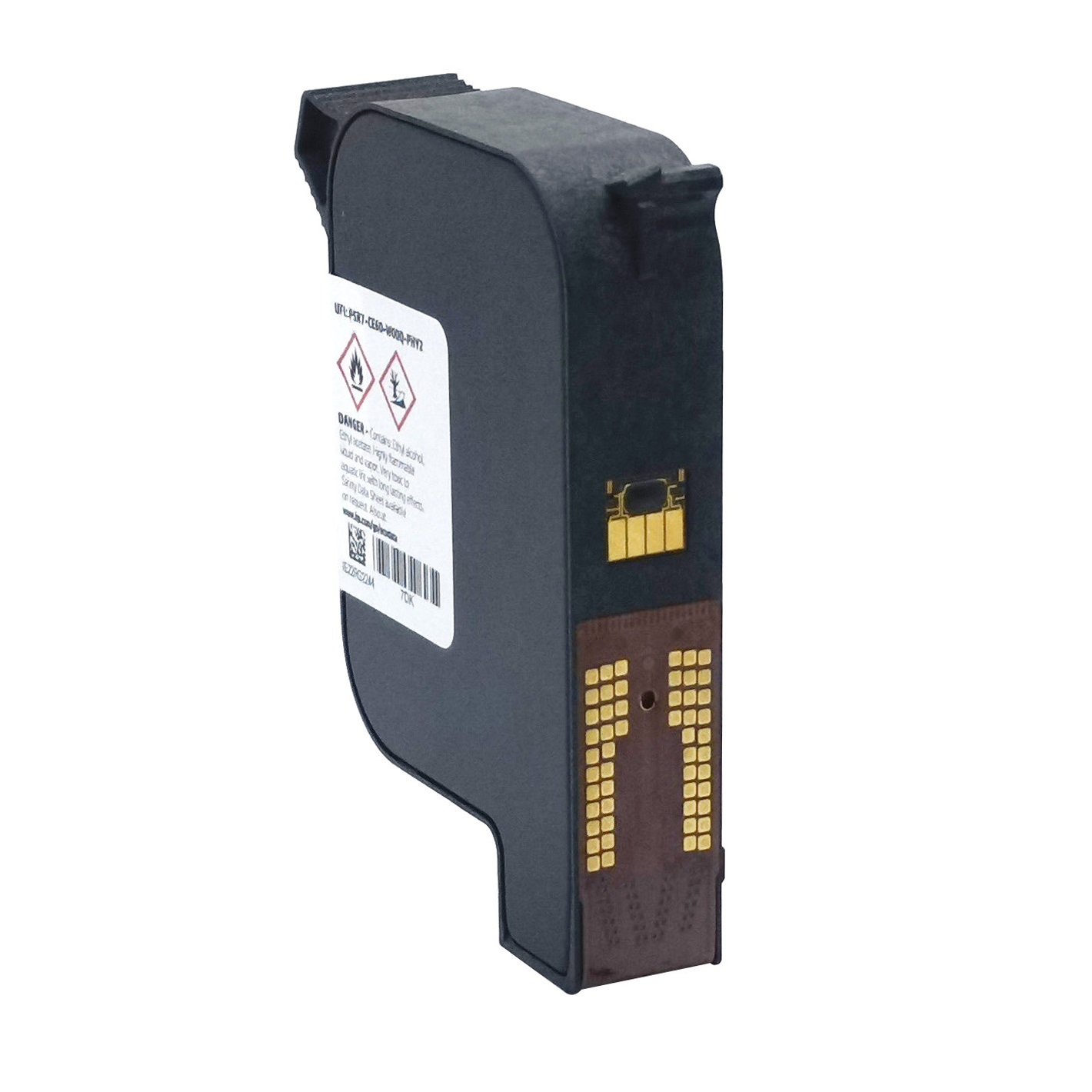
How microscopic ink formulation variances disrupt color fidelity and text sharpness across print batches
Microscopic differences in ink chemistry—pigment particle size, dispersion stability, surface tension, and viscosity—directly affect color fidelity and text sharpness. In non-original inks, these tolerances often shift from batch to batch. Even a minor change in droplet volume or trajectory can blur text edges, reduce color density, and introduce visible banding. Pigment agglomeration further distorts light absorption and scattering, causing measurable colorimetric drift under standard office lighting. Over sustained print runs, these inconsistencies become especially apparent in logos, data charts, and contract text—where precision matters most.
HP original ink cartridges are engineered to match the exact nozzle geometry and firing frequency of their corresponding printheads. This tight integration ensures stable droplet placement, preserves fine line definition, and minimizes color drift between the first and last page. The result is consistent, professional-grade output—reducing reprints and supporting reliable business document production.
HP’s closed-loop calibration system: real-time synchronization of cartridge, printhead, and firmware
HP’s closed-loop calibration system synchronizes cartridge, printhead, and firmware in real time. Each HP original ink cartridge stores ink-specific parameters; the printhead reports nozzle health and thermal data; and the firmware uses both inputs to dynamically adjust droplet size, timing, and placement before every pass. It also monitors cumulative ink use and fine-tunes firing pulses to sustain uniform drop formation—preventing the gradual degradation in color accuracy and sharpness that static systems cannot correct.
When a new cartridge is installed, the printer reads its formulation profile and recalibrates automatically. This seamless coordination reduces ink-to-printhead mismatches that cause clogging, streaking, and color shifts—ensuring stable output across multiple cartridges and high-volume environments. For businesses, it translates to fewer manual color adjustments, less waste from rejected prints, and uninterrupted workflow continuity.
The True Total Cost of Non-Original Ink: Beyond Upfront Savings
62% failure rate of compatible cartridges in ISO/IEC 24712 yield testing under sustained business workloads
Independent ISO/IEC 24712 yield testing—designed to simulate real-world office use with continuous five-page print cycles—found that non-original compatible cartridges failed at a 62% rate in 2023. That means more than six in ten cartridges fell short of their declared page yield. Failures included premature “low ink” warnings, severe streaking, or yield shortfalls exceeding 20%. Many compatible formulations rely on lower-grade pigments, unstable carrier fluids, and inconsistent particle sizes—leading to nozzle clogging, color drift, and uneven ink delivery. What may function adequately for occasional home printing often breaks down under daily multi-document workloads.
For a fleet of 50 printers, this failure rate implies roughly 31 unexpected replacements per cycle—adding significant labor, reorder, and logistics costs. More critically, it drives reprints, service calls, and inconsistent output. Procurement teams should evaluate cartridge cost against yield reliability, not just upfront price.
Hidden costs: unplanned downtime, service interventions, and erosion of brand credibility
A compatible cartridge failure mid-job triggers immediate operational friction: employees pause work, deadlines slip, and IT or admin staff divert attention to resolve the issue. Service interventions rise as well—ink residue from incompatible formulations can necessitate aggressive printhead cleaning, firmware resets, or even hardware replacement. Over a fiscal year, these disruptions frequently erase any initial savings from lower-cost cartridges.
The deeper, longer-term cost is reputational: client-facing documents with streaking, color shifts, or inconsistent gloss signal carelessness—not confidence. For law firms, consultancies, and accounting practices, proposals, audit reports, and contracts serve as proxies for diligence and professionalism. Repeated print defects quietly undermine trust. HP original ink cartridges prevent this erosion by delivering predictable, polished output—protecting both workflow integrity and brand authority.
Print Quality as a Trust Signal: How HP Original Ink Cartridge Shapes Client Perception
Metamerism and gloss differential in non-HP inks undermine document authority and professionalism
Non-HP inks commonly exhibit metamerism—where colors appear matched under one light source but diverge under another. In a boardroom lit by LEDs or near windows, a proposal printed with such ink might display a green cast under artificial light and a magenta shift in daylight—creating subtle but perceptible inconsistency. Gloss differential compounds the issue: uneven pigment and resin settling produce irregular surface reflectance, leaving some areas shiny and others matte. This disrupts visual harmony in charts, logos, and signatures—elements that reinforce credibility and control.
HP original ink cartridges are formulated with tightly controlled resin-pigment ratios and optimized dispersion chemistry to maintain stable color temperature and surface reflectance across lighting conditions. For financial summaries, pitch decks, and legal agreements, that consistency signals rigor—and strengthens the perceived authority of the document and the organization behind it.
Rising industry standard: law firms and consultancies specifying 'print-grade authenticity' in vendor SLAs
Print output is no longer treated as a back-office utility—it’s part of brand governance and client confidentiality. Leading law firms and management consultancies now include “print-grade authenticity” clauses in vendor service-level agreements, mandating HP original ink cartridges for all client-facing deliverables. These clauses reflect a practical reality: a due diligence report loses persuasive weight when pages show banding or gloss mismatch; an audit summary appears less authoritative when color drift obscures chart distinctions.
Procurement teams audit print supplies because a single inconsistent signature page can trigger rework, delay closings, or invite scrutiny. Print-grade authenticity has evolved from a maintenance preference to a contractual expectation. Firms that document HP original ink use demonstrate compliance during vendor reviews—while those relying on unverified refills often lack verifiable evidence of quality control.
HP-Specific Engineering Advantages: Reliability, Intelligence, and Business Continuity
JetIntelligence chips enable predictive maintenance—preventing clogs, misfeeds, and firmware conflicts
Each HP original ink cartridge features a JetIntelligence chip that continuously monitors ink usage, flow dynamics, and environmental conditions—including ambient temperature and humidity. The chip exchanges real-time telemetry with the printer’s firmware to proactively adjust printhead pressure, optimize firing sequences, and initiate targeted cleaning cycles before clogs form. This predictive logic mitigates common failure points like paper misfeeds, firmware conflicts, and inconsistent ink delivery—especially critical during high-volume or mission-critical jobs.
For busy offices, early detection lowers unplanned downtime, extends printhead life, and keeps print queues moving reliably—without manual recalibration. Over time, JetIntelligence transforms routine cartridge replacement from a passive consumable swap into an active reliability safeguard—one that supports uninterrupted business continuity and long-term TCO efficiency.
Frequently Asked Questions About HP Original Ink Cartridges
Why is HP original ink better than non-original ink?
HP original ink is specifically designed to match the precise specifications of your printer’s printhead. This ensures consistent print quality, better color fidelity, and reliable performance without issues like streaking or color shifts. Non-original inks often lack the precision in formulation and can result in clogging, varying color outputs, and reduced reliability.
What are the disadvantages of using non-original ink cartridges?
Non-original ink cartridges often experience higher failure rates, resulting in streaking, color drifting, and uneven ink delivery. They also increase the risk of printer downtime, require frequent maintenance, and may negatively impact the perception of professionalism in client-facing documents.
How does HP’s closed-loop calibration system work?
HP's closed-loop calibration system integrates the cartridge, printhead, and printer firmware, adjusting parameters like droplet size, timing, and placement in real time. This ensures optimal performance, prevents nozzle clogging, and maintains consistent color accuracy throughout cartridge use.
What hidden costs are associated with non-original ink cartridges?
While non-original ink cartridges initially appear less expensive, they can lead to unplanned downtime, reduced printer efficiency, and service interventions. Additionally, poor print quality may result in document reprints and damage your brand’s credibility, especially in industries where professionalism is a priority.
What is print-grade authenticity?
Print-grade authenticity refers to consistent, professional-quality output that meets the high standards of industries such as law, accounting, and consulting. HP original ink cartridges are designed to meet these standards by ensuring uniform color output, sharp text, and minimized print defects.