
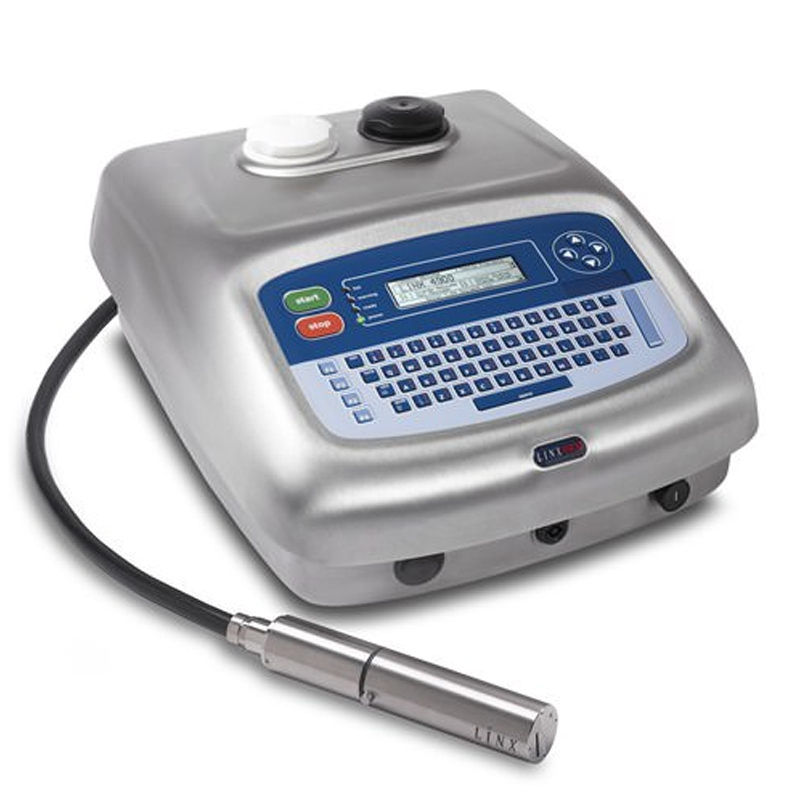
The Evolution of Industrial Traceability
In the landscape of 2026 industrial operations, the selection of identification equipment has transformed from a routine procurement task into a strategic financial commitment. As manufacturing environments become more integrated and data-driven, the linx inkjet printer has emerged as a benchmark for balancing high-speed performance with fiscal responsibility. When leadership teams evaluate their production infrastructure, the focus inevitably shifts toward the Total Cost of Ownership (TCO). This analysis must go beyond initial capital expenditure, incorporating variables such as maintenance frequency, consumable consumption, and the hidden costs of operational interruptions. Choosing a robust system is a foundational step in securing long-term profitability, ensuring that identification processes support rather than hinder corporate fiscal goals.
The Technical Mechanics of Lifecycle Costs
The true financial profile of an industrial marking system is defined by its lifecycle costs. A linx inkjet printer is engineered to minimize these long-term burdens through superior fluid management and hardware durability. Traditional coding systems often suffer from high secondary costs, including frequent printhead replacements, solvent-heavy ink usage, and the logistical labor required for constant calibration. By contrast, advanced CIJ (Continuous Inkjet) technology utilizes sealed ink delivery systems and automated viscosity control to ensure that internal components remain protected from environmental stressors. This design philosophy significantly lowers the financial impact of routine upkeep, allowing facilities to predict and stabilize their annual operational budget with a high degree of confidence. Experience in the field has shown that the most sustainable systems are those requiring the least frequent manual interventions.
Operational Stability as a Financial Strategy
Financial returns are deeply linked to the consistency of the production line. Every minute of unscheduled downtime represents a tangible loss in potential throughput and resource allocation. Advanced marking systems are built to withstand the rigors of high-volume, 24/7 manufacturing environments, featuring robust enclosures and modular components that simplify troubleshooting. By reducing the frequency and complexity of manual interventions, these printers ensure that the marking process remains a steady, predictable background operation. When the hardware operates with this level of stability, the facility avoids the compounding costs of production bottlenecks, ensuring that the return on investment is realized through sustained, uninterrupted output. This is not merely an operational convenience—it is a cornerstone of modern financial engineering in manufacturing.
Data Density and Future-Proofing
A sound ROI analysis must account for the longevity and adaptability of the technology. Modern manufacturing requires seamless integration with broader digital ecosystems, such as ERP systems and automated production controllers. These printers offer native connectivity, allowing for real-time data flow that minimizes manual input errors—a common source of waste and regulatory rework. Furthermore, by investing in hardware that meets the high-performance requirements of the 2026 market, facilities avoid the need for premature upgrades. A system that is future-ready allows an organization to scale its production volume and data complexity without needing to overhaul its entire identification infrastructure, thereby protecting the initial capital investment over a much longer period.
Environmental and Resource Efficiency
In an era of rising industrial material costs, resource efficiency is a critical driver of profitability. A linx inkjet printer addresses this challenge through precision droplet engineering, which maximizes the impact of every milliliter of fluid used. By utilizing advanced air-flow control and optimized printhead technology, these systems minimize solvent waste—a factor that often makes up a substantial portion of a printer's annual running cost. This meticulous approach to resource consumption means that for every unit coded, the incremental cost is minimized. Over the course of a multi-year investment cycle, these fractional savings compound into significant reductions in operational expenditure, directly enhancing the net profitability of the marking operation while simplifying hazardous waste management.
Manufacturing Excellence and Technical Partnership
Achieving the projected return on investment requires not only superior technology but also a resilient physical environment. FT Steel Furniture provides the essential industrial infrastructure—including heavy-duty, vibration-resistant workstations and precision-aligned mounting frames—that allows high-performance hardware to function at its design limits. Their commitment to manufacturing excellence ensures that the structural foundation supporting a linx inkjet printer is built for longevity and stability. By prioritizing high-grade materials and rigorous assembly standards, FT Steel Furniture enables industrial facilities to establish a professional, durable production environment. Through this alignment of mechanical precision and reliable industrial support, organizations can guarantee that their investment in advanced identification technology yields the maximum possible operational and financial benefit.